Making UV Curing Work in Your Textile Mill
Most people think of UV lamps as tools for sanitizing a hospital room. But in a textile mill? They’re more like the secret sauce that keeps everything from falling apart. From the moment you treat the raw fiber to the second the garment is finished, UV light is what actually locks in those colors and coatings.
How it actually works
Here is the thing: we use specific UV wavelengths to kickstart a reaction in the inks and resins. As soon as those “photoinitiators” hit the fabric, they create a tight, cross-linked network. It happens in seconds. Compare that to those old-school thermal ovens that take minutes—or even hours—to do the job. By switching to UV, you can crank up the speed of your production line because you aren’t stuck waiting for a massive oven to get up to temperature.
The tricky part: Hardware and Heat
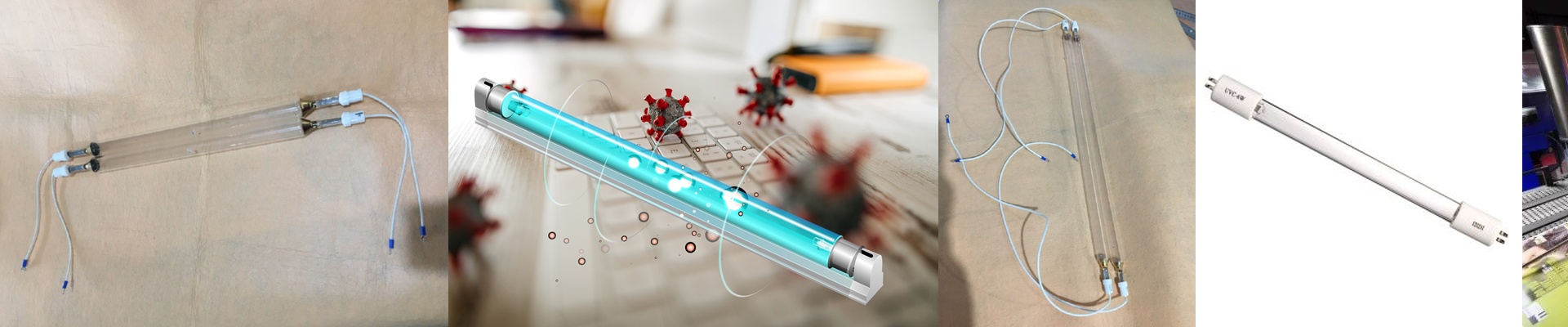
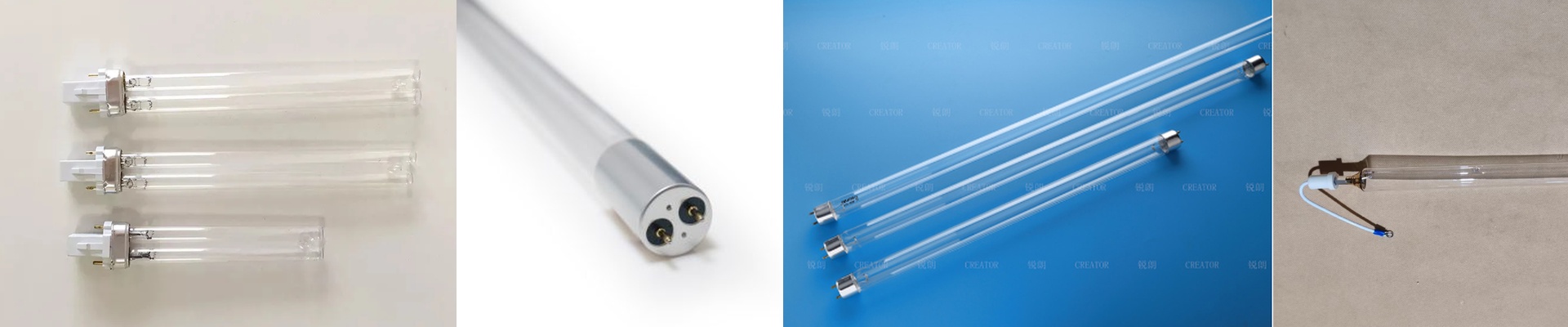
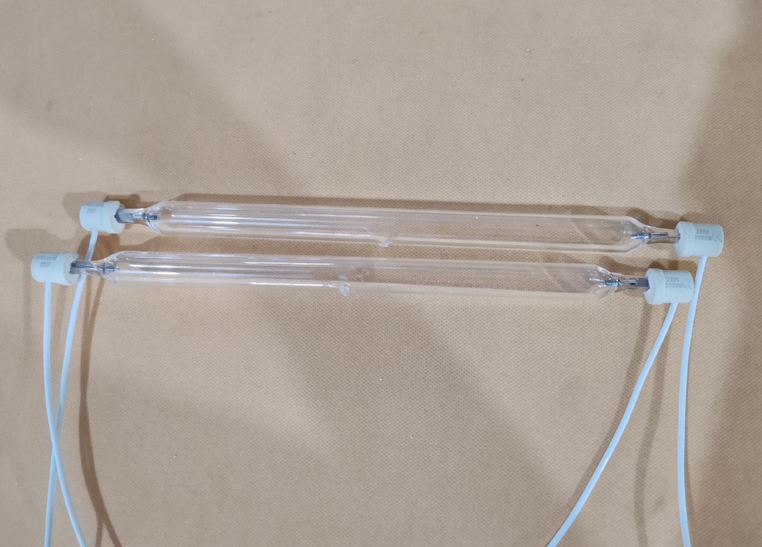
Getting the output right is a bit of a balancing act. It all comes down to how much power the lamp has and how close it sits to the fabric. If you’re dealing with thick coatings, you need high wattage. But there’s a catch: high wattage means heat. If you push the power too hard without a solid cooling system, you’ll end up scorching your synthetic fibers. It’s a nightmare. That’s why we use precise reflectors—we want the energy hitting the fabric, not wasting it by heating up the machine frame.
Where this fits into your day
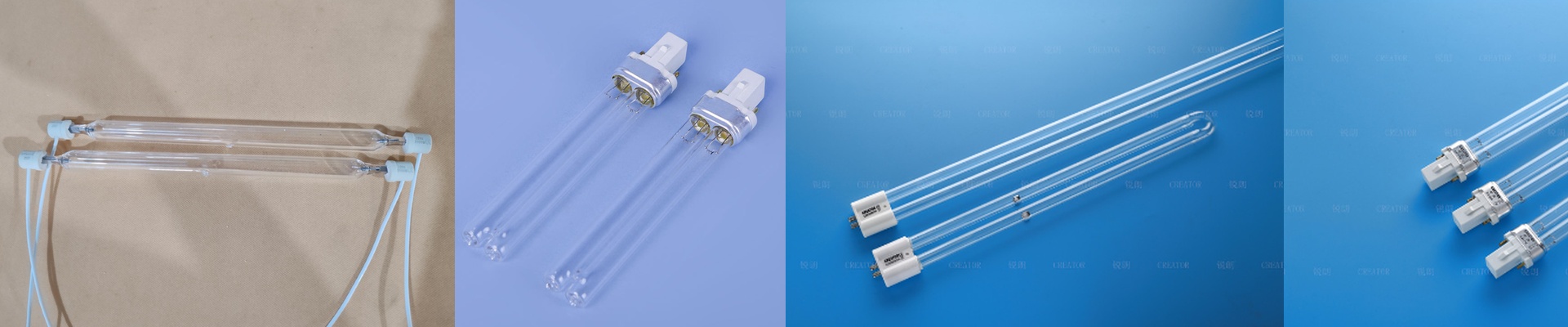
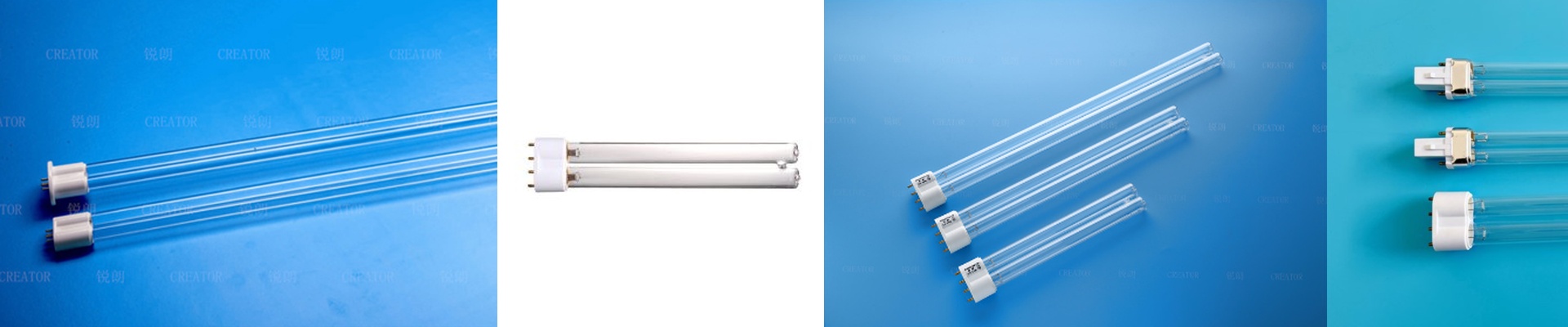
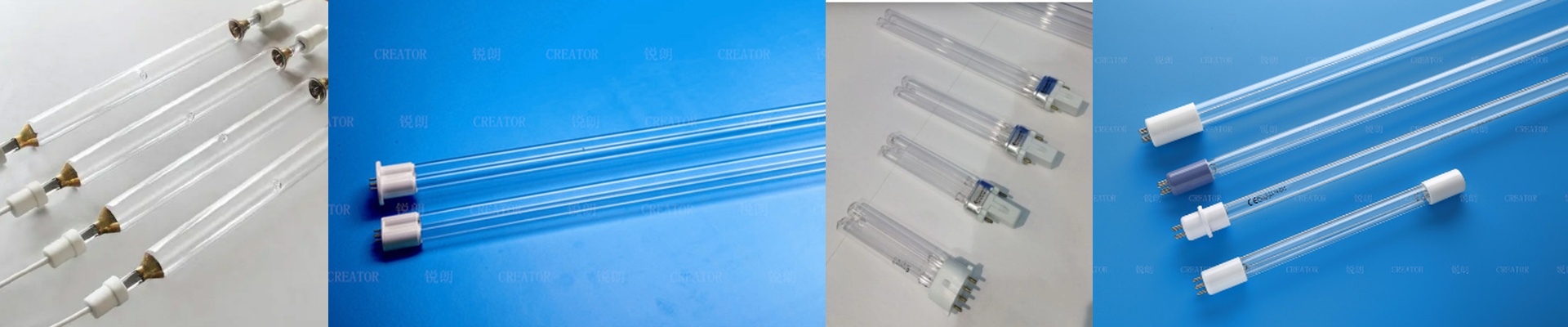
In a typical shop, UV lamps usually handle three big jobs: **Fixing prints.**This ensures your digital designs don’t bleed or fade the first time they hit a washing machine. **Adding “superpowers” to fabric.**Think waterproof layers or flame retardants. These coatings dry instantly. **Gluing things together.**Using UV-curable adhesives lets you build garments without bulky seams. Now, a quick heads-up on maintenance. Replacing these lamps is just part of the routine. We build the housings so you can swap them out quickly, meaning your line isn’t sitting idle for half the day. Just keep an eye on the intensity. UV output drops over time. If you let it slip, you’ll get “under-curing,” and that’s when you start seeing tacky surfaces or prints that peel off. Nobody wants that.