Getting the UV Spectrum Right (Without Burning Your Project Down)
We don’t just “make lamps.” That’s too simple. What we actually do is manage photon energy. In our lab, it’s all about the precision of that spectral output. If you ask for 254nm for sterilization, or a specific peak for photo-curing, you’re really asking for a very specific chemical reaction to happen. Here’s the problem: if that wavelength drifts by even a few nanometers, everything goes sideways. Your curing speed tanks. Your substrate burns. It’s a nightmare.
Nailing the Spectral Peak
To hit that exact wavelength, we have to be obsessive about the gas mixture and the electrode materials. We use high-purity synthetic quartz for the envelope. Why? Because standard glass is basically a wall—it absorbs the very energy we’re trying to push out. We also spend a lot of time calibrating the arc discharge to keep the plasma temperature steady. If we don’t, the spectral line broadens. When that happens, your energy spreads out instead of staying concentrated right where your process needs it.
The Heat Struggle
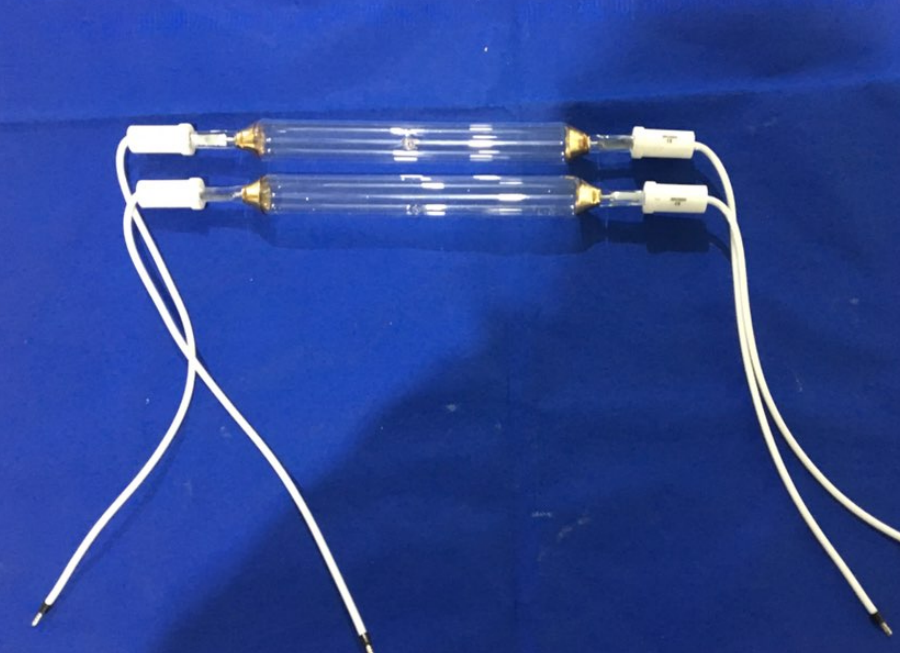
High-wattage UV lamps get hot. Really hot. Finding the right quartz grade is a balancing act. If the tube is too thin, it’ll crack under the heat. But if it’s too thick, you lose the UV transmission. You have to find that sweet spot. I see engineers try to squeeze maximum wattage into a tiny footprint all the time. It creates this intense heat density. If your cooling fans or water jackets aren’t up to the task, your lamp is going to burn out way sooner than it should.
Making It Actually Fit
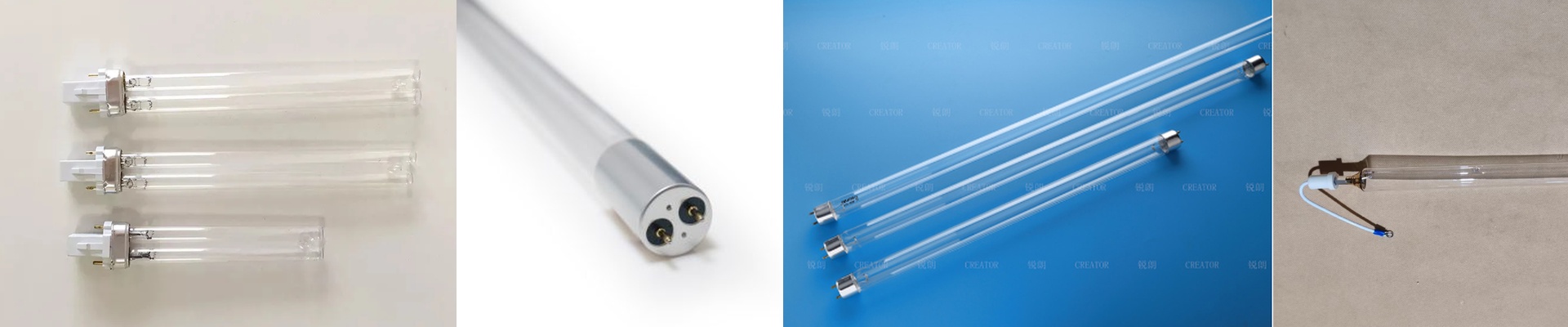
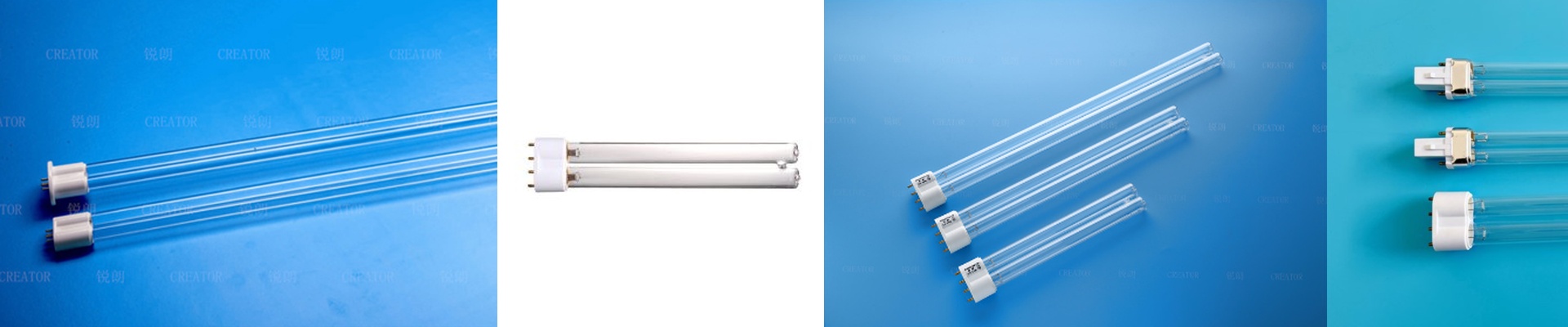
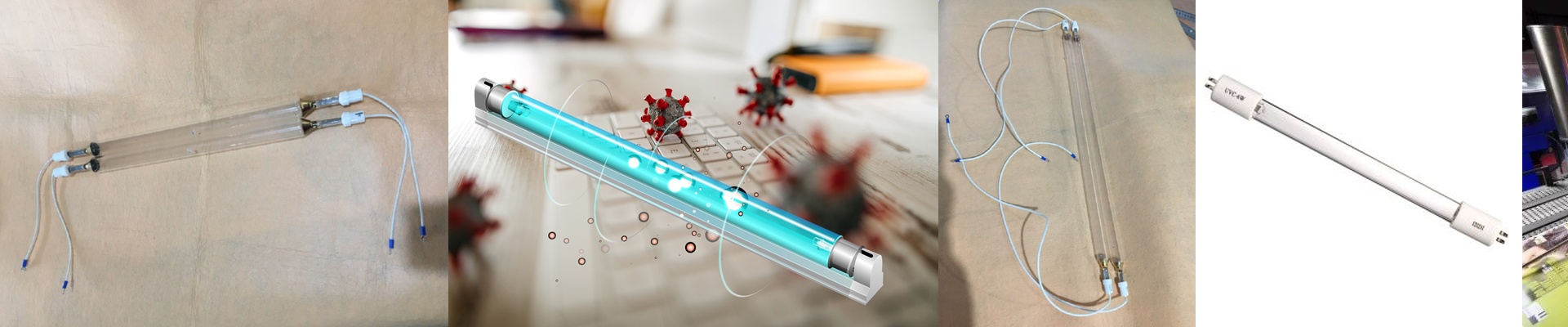
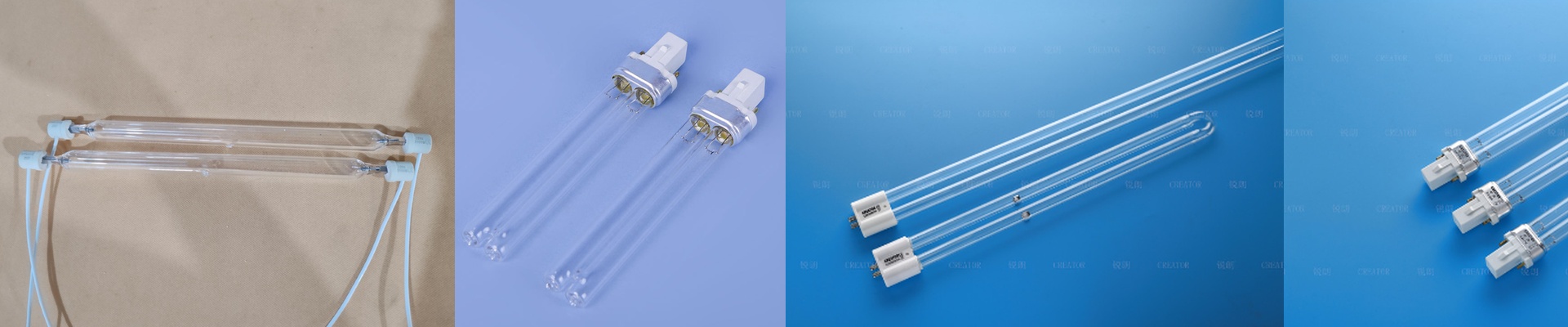
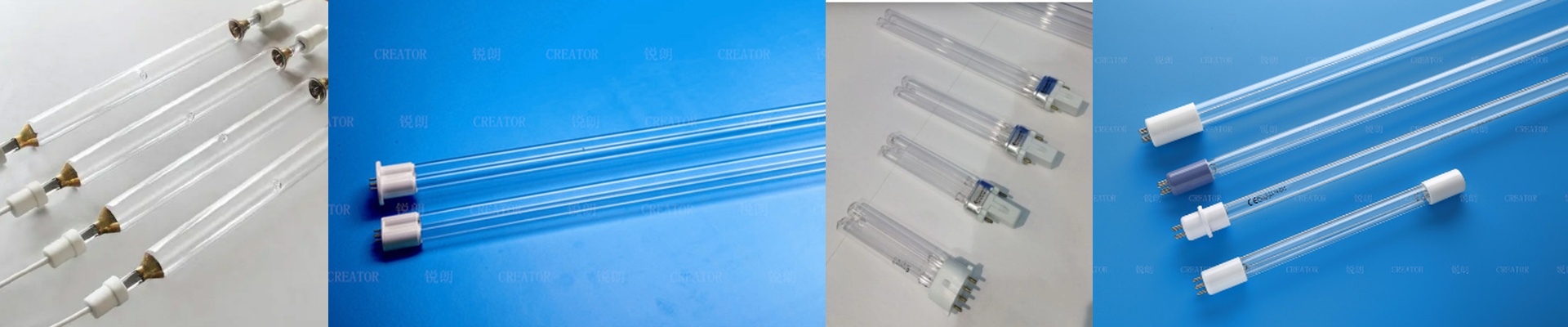
Customization isn’t just about the light; it’s about the plug. We build these lamps to be drop-in replacements for your existing arrays. That means we match your length and pin configuration exactly. No one wants to spend their weekend rewiring a whole rack just to swap a bulb. Plus, we test every single batch for consistency. You get a predictable output. No guessing games.