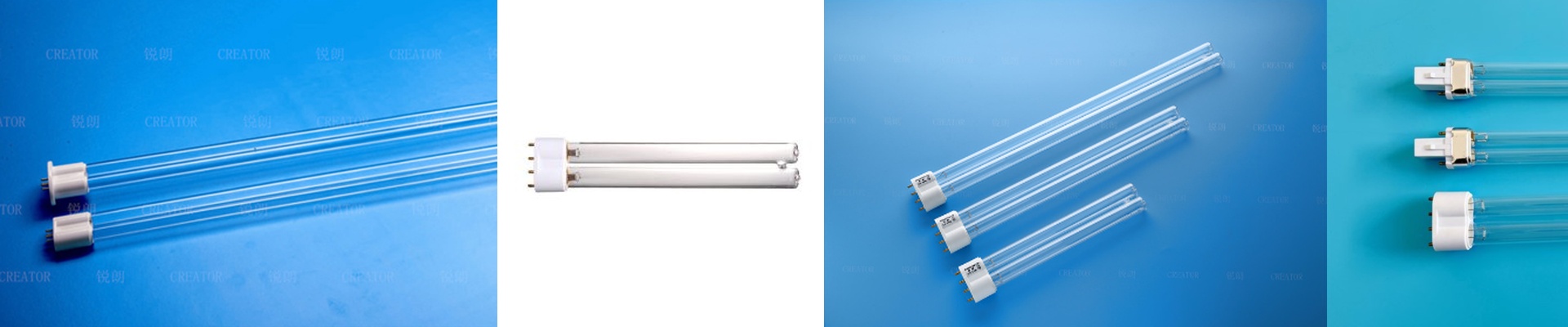
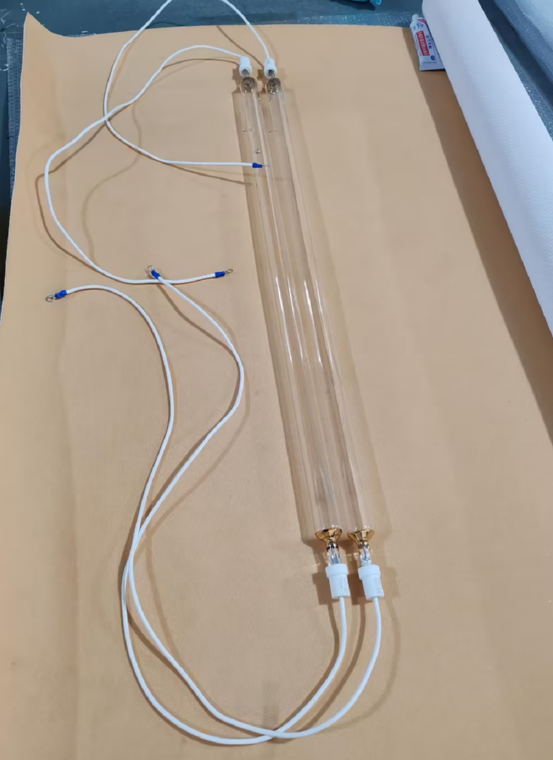
Why Gallium Iodide Lamps Actually Matter for Your Textiles
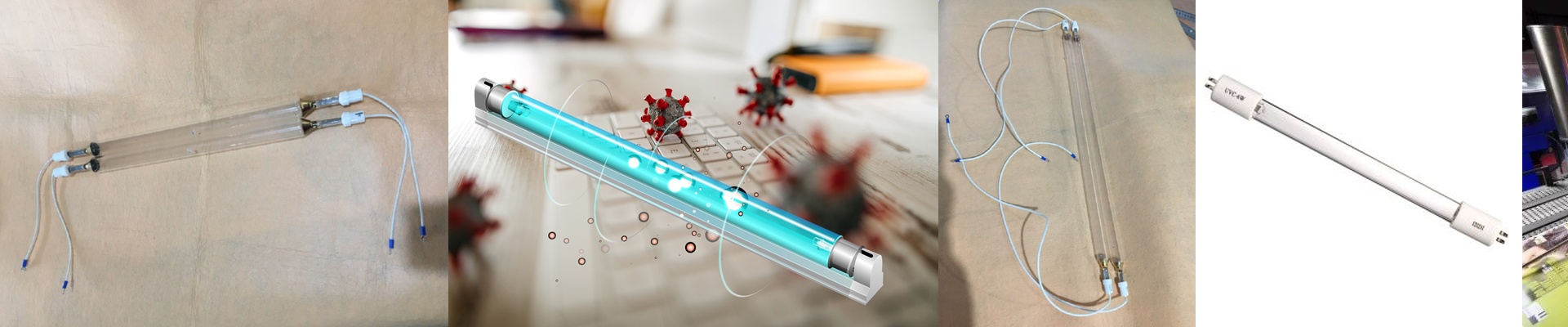
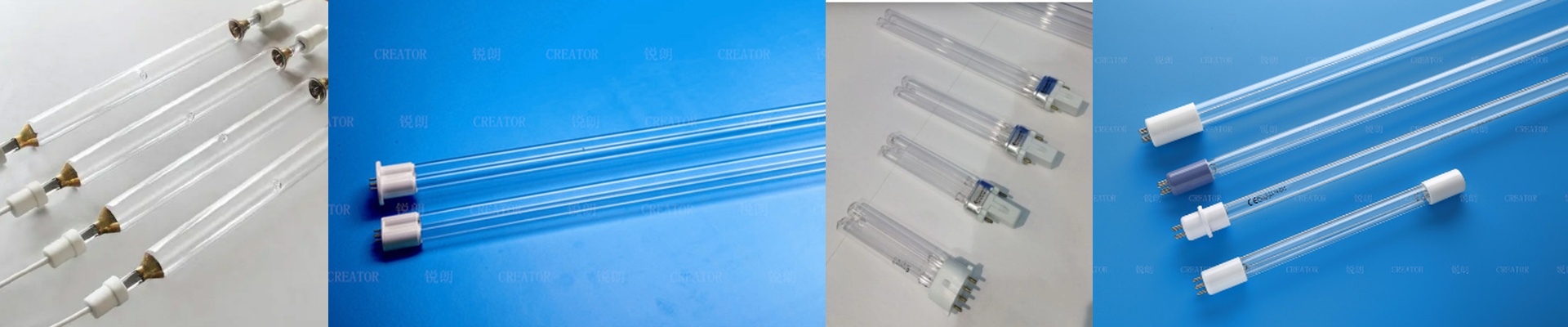
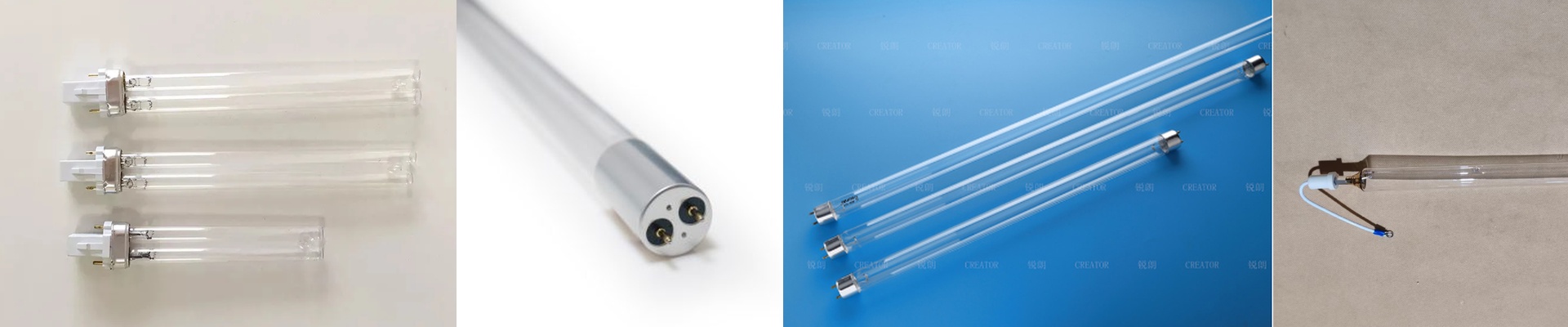
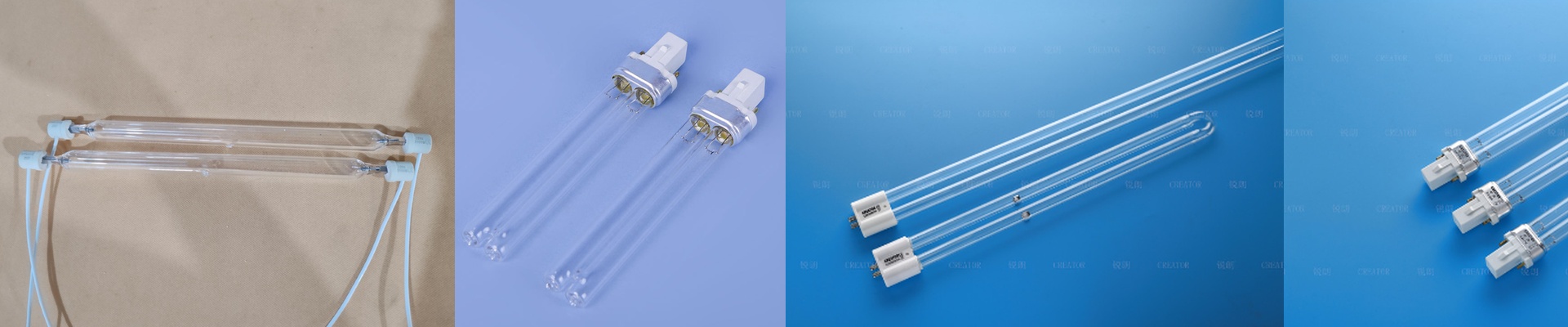
Getting a garment from a raw roll of fabric to a finished piece is all about the chemistry. If the bonding isn’t perfect, the whole thing fails. That’s why we use Gallium Iodide (GaI) lamps. Standard mercury lamps are fine for some things, but they miss the specific UV wavelengths that actually trigger textile catalysts. GaI lamps hit that UV-C and UV-B sweet spot where the magic happens. The problem with “surface curing” Here’s the thing: most UV lamps waste a ton of energy on wavelengths your fabric just can’t absorb. It’s a waste of power. We use Gallium Iodide because it shifts the peak of that light. It lets the UV penetrate deeper into dense fibers. Without that, you run into a nightmare called surface curing. That’s when the top layer feels hard and dry, but the core is still tacky. Not a great look for a finished product. Getting the hardware right We design these lamps to slide right into high-speed conveyor systems. Most of the time, they’re just drop-in replacements for the arrays you already have. But you have to watch your ballast settings. GaI lamps don’t behave like mercury vapor lamps—their impedance curves are different. If you just plug them into an old ballast without checking the voltage, you’ll fry the electrodes in a few hundred hours. It’s a quick way to waste a lot of money. Dealing with the heat Let’s talk shop-floor reality. High-intensity UV creates a lot of heat. In a textile mill, that’s a risk. If the lamp is too close, you’ll warp your synthetic fabrics. You’re basically walking a tightrope: you want the cure speed to be fast, but you don’t want to melt your polyester. The best way to handle this? Use a forced-air cooling system. It keeps the lamp envelope stable, stops the quartz from stressing, and helps the whole unit last a lot longer.