The Intelligent UV Lamp Engineers Actually Want
We build industrial UV lamps for engineers who crave one thing: repeatable heat. No guesswork. No crossed fingers. Just consistent results, every single time. The next generation of UV isn’t just about cranking out more power. It’s about control. Our new smart lamp gives you remote energy monitoring, so you can see exactly what’s happening—power draw, lamp health—all in real time. Without ever stopping the line.
The Power, The Voltage, The Fit
Here’s the thing about industrial work: it has to work in the real world. That means stable heat, predictable electrical behavior, and a size that actually fits your existing setup. So we built this system to run on 400V. Why does that matter? Because it lowers the current for the same power, which cuts down on energy lost in the wiring. The result? A smaller, cooler driver. It’s rated at 2500W, which packs a serious punch. And the 300mm length focuses all that energy right where you need it. Fast. It’s brute power, squeezed into a compact frame. You get a lightning-fast start-up and rock-solid temperature on the target surface. But with that kind of density comes responsibility. Your machine’s cooling has to be up to the task. If the enclosure can’t shed the heat, the lamp life shortens and the output starts to drift.
What’s Inside Matters
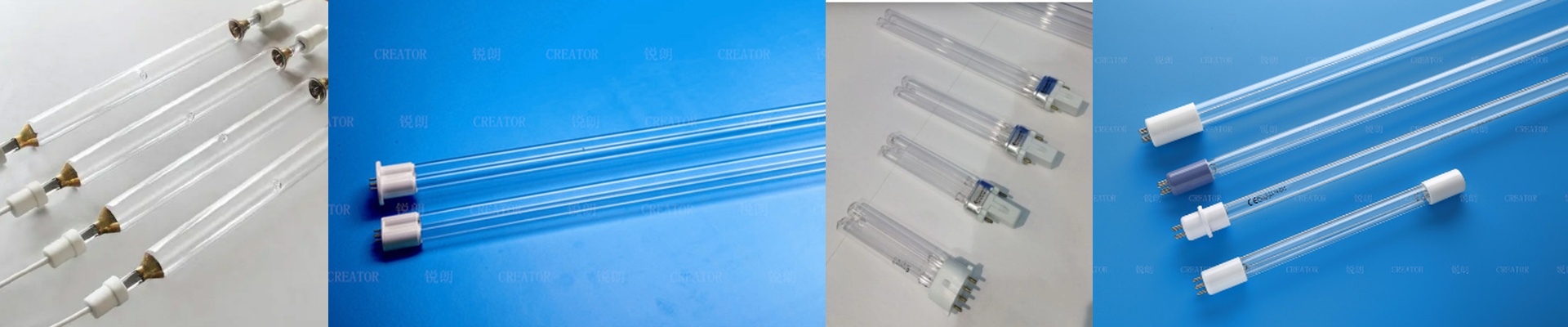
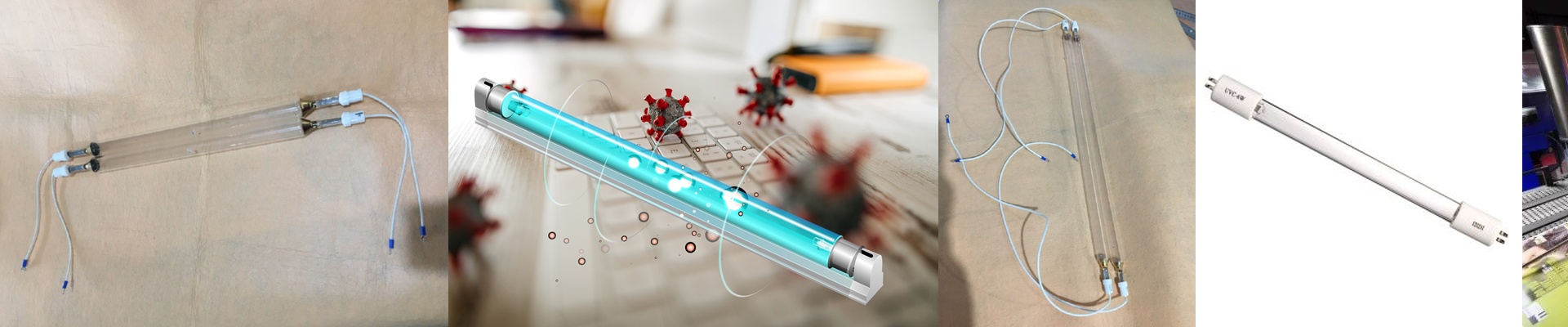
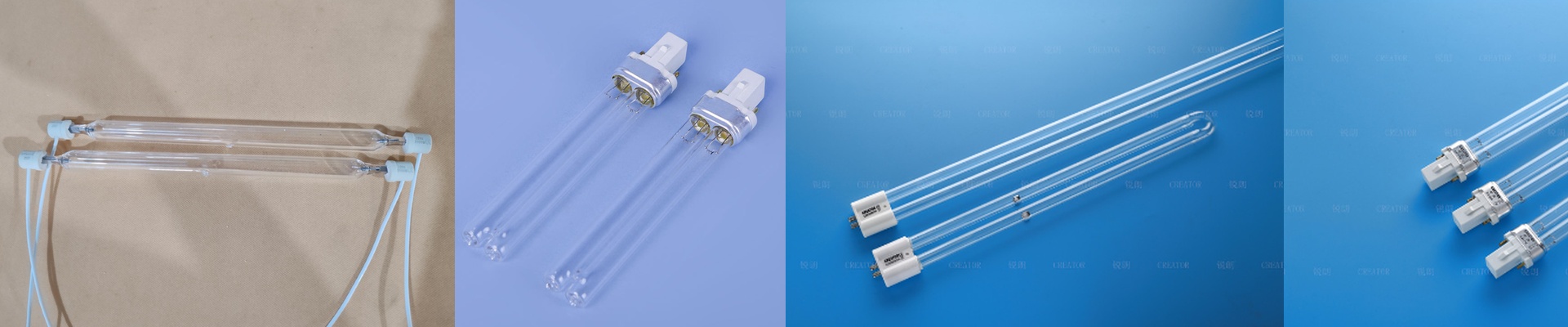
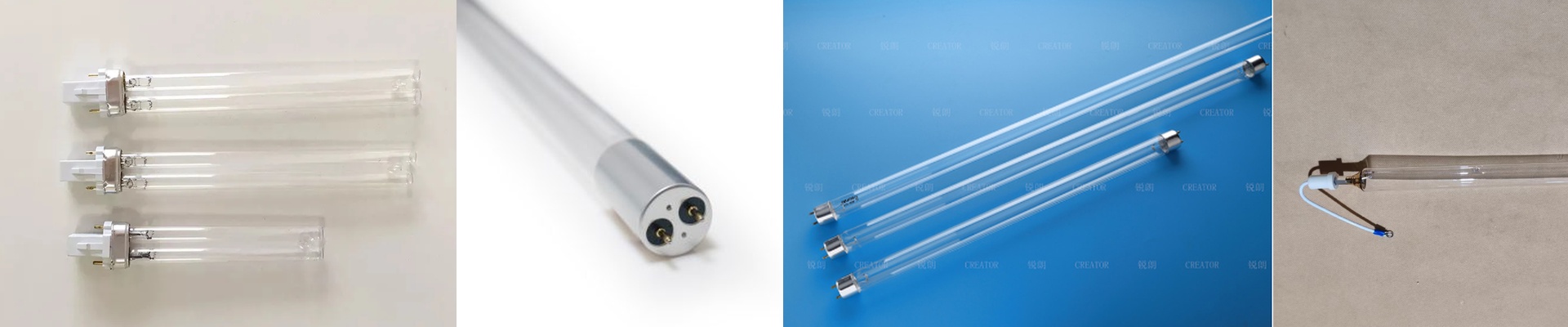
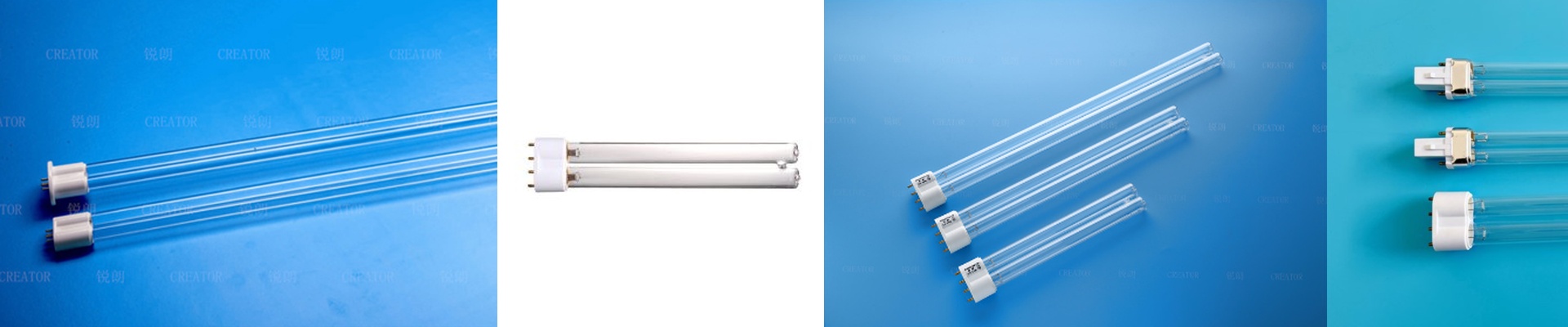
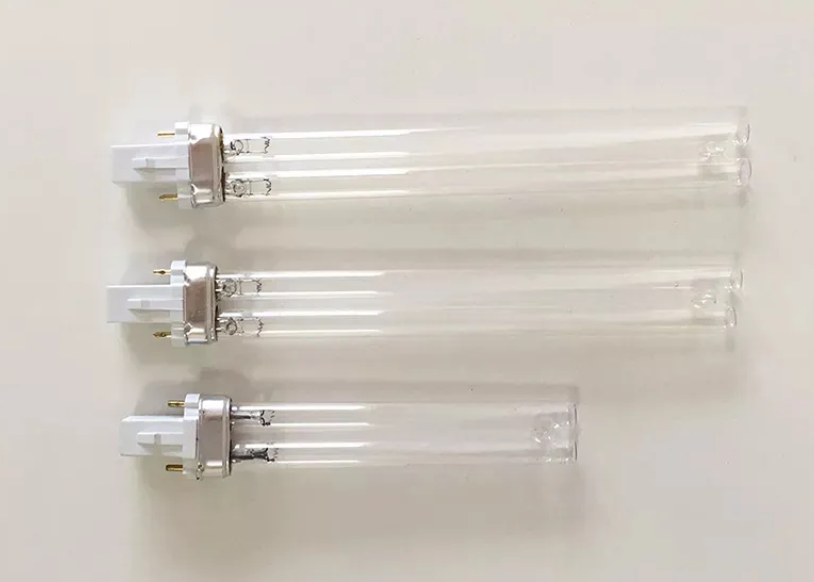
Inside, you’ve got a halogen-filled quartz tube. It keeps the filament stable and stops early burn-outs before they start. The quartz itself is tough—it handles thermal shock like a champ, so you get consistent output even after thousands of on/off cycles. We also added a specialized coating. It manages the spectral output and shields the envelope, so the lamp can take a beating in high-cycle environments. And the connectors? We went with an R7s. It’s a proven, high-temperature interface that makes installation a snap. You wire it up, lock it down, and it stays put—even when you’ve got constant vibration and heat.
Heat You Can Trust
This setup was born for processes where precise thermal control is non-negotiable. Think curing, drying, surface treatments—anything where temperature and exposure time directly impact your yield. With remote energy monitoring, you’re not flying blind. You get hard data: actual power draw, duty cycle, and early warning signs that the lamp is aging. That means fewer surprise changeouts and less scrap from temperature drift. You get to tune the system to the process, not the other way around. For engineers, this is what it feels like to turn heat into a variable you can actually manage.