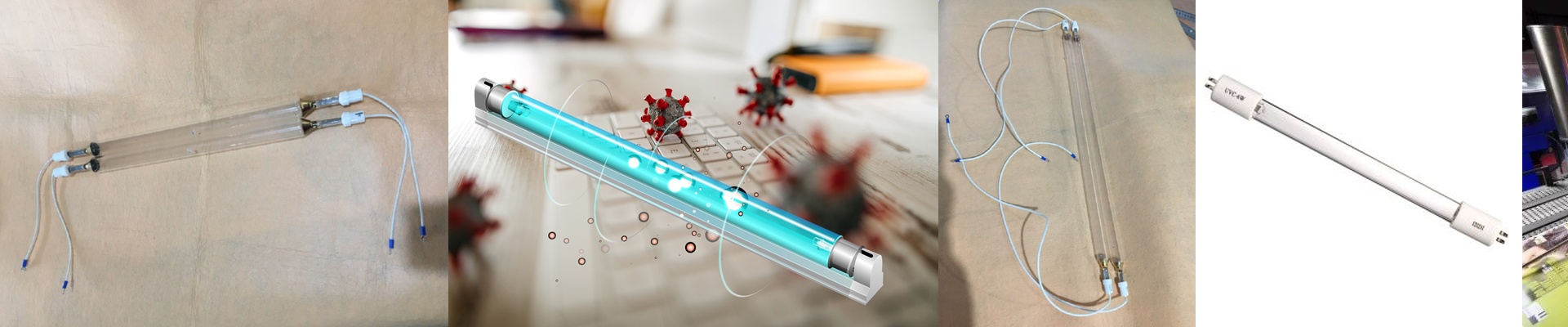
Getting the Precision Right: The Struggle for 0.5% in Gallium Iodide Lamps
Let’s talk about Gallium Iodide (GaI) lamps. If you’re working with high-intensity UV, you know these things are beasts. They give you those sharp emission peaks—usually around 417nm and 463nm—that you just can’t get from a standard lamp. But here is the real headache: spectral energy concentration. If your output drifts by even 1%, your photolithography process is basically ruined. Your spectroscopic readings? Completely off. It’s a nightmare.
How we actually hit that 0.5% mark
Getting that concentration down to 0.5% isn’t some magic trick. It’s a balancing act between the gallium iodide fill pressure and how stable the arc stays. We calibrate the gas fill down to the milligram. Why? Because if you overdo the pressure, the lines broaden and you lose that sharpness. Go too low, and your intensity just vanishes. We also use high-purity synthetic quartz for the arc. We do this so impurities don’t sneak in and soak up the UV output. Plus, we keep a very strict temperature gradient across the tube. If you don’t, the gallium starts condensing at the ends, and your spectral peak goes blurry.
The trade-off (because there’s always one)
Here’s the catch. When you push for that kind of energy concentration, things gethot. Really hot. You can’t just toss these into any old fixture and hope for the best. If your cooling system isn’t built for the specific heat load of a GaI source, the quartz will actually warp. And once the tube geometry shifts, your focal point drifts. Then you’re right back to square one.
A few tips for the setup
When you’re wiring these up, keep a close eye on your ballast. Stability is everything here. Any little ripple in your power supply shows up as spectral noise. We build these lamps to hold a tight tolerance, but they only work if your input voltage stays steady. We aren’t promising a miracle cure. We’re giving you a precision tool. Just make sure your environment is controlled, and it’ll do exactly what you need it to do.