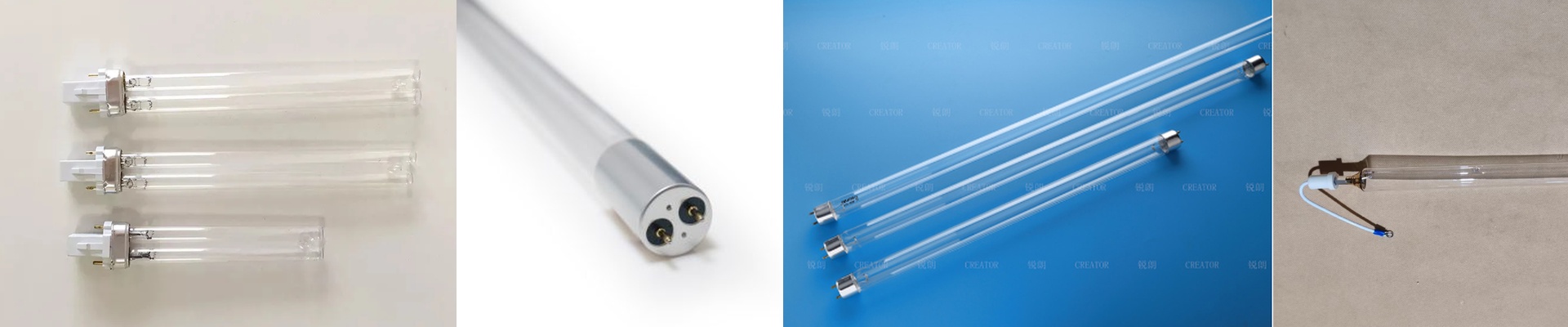
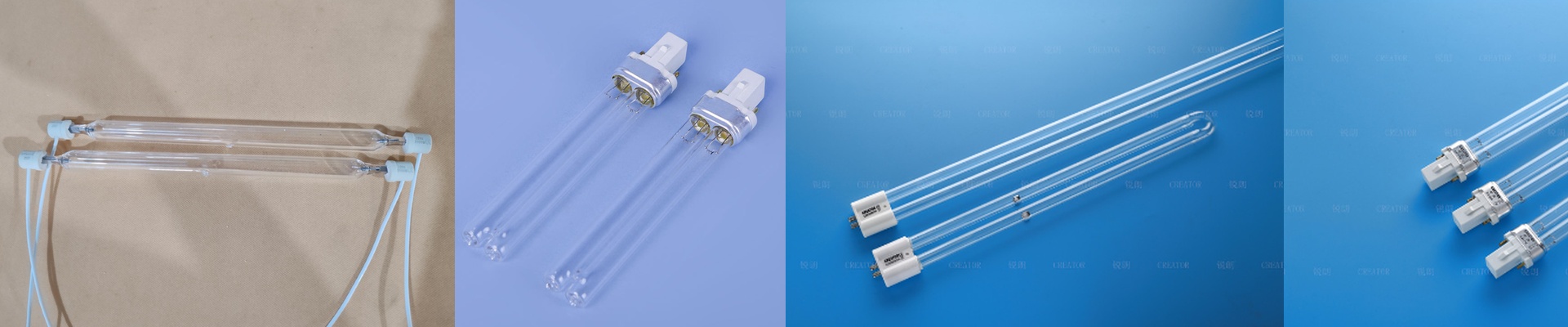
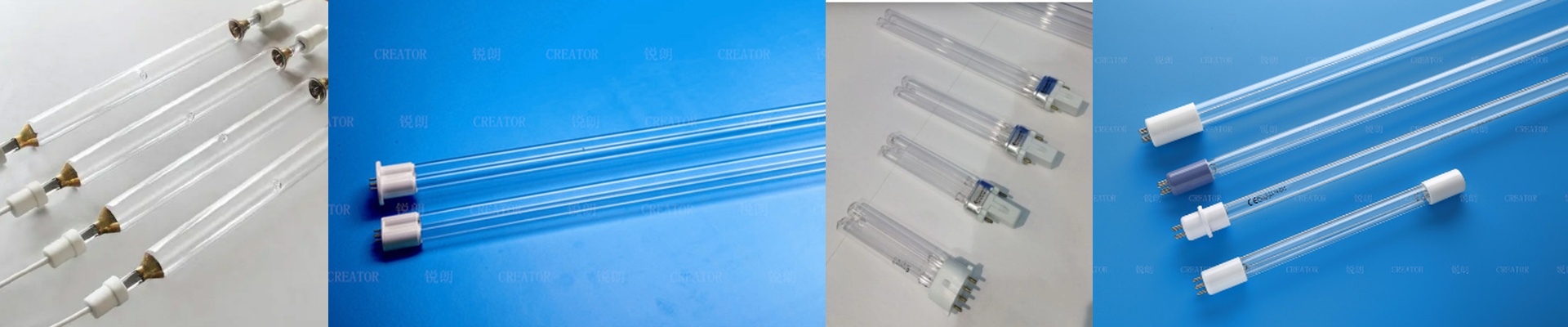
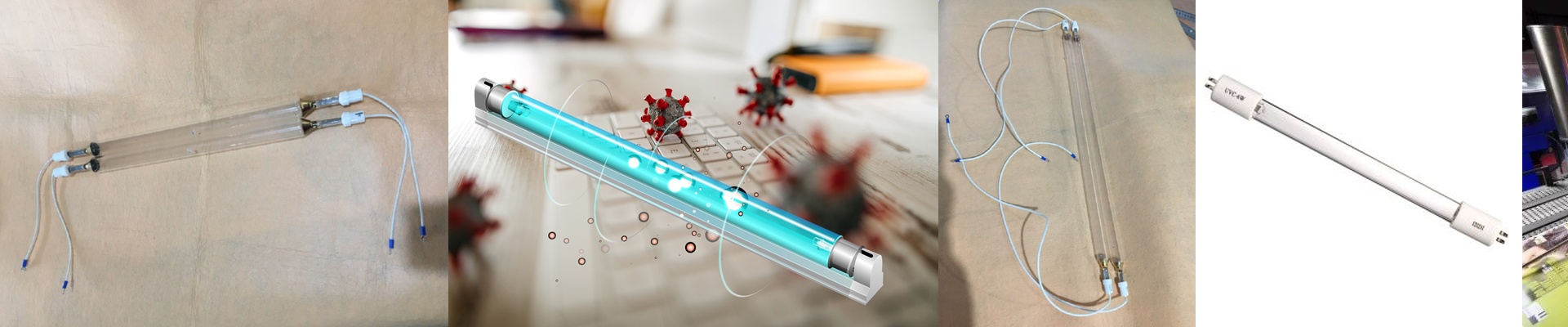
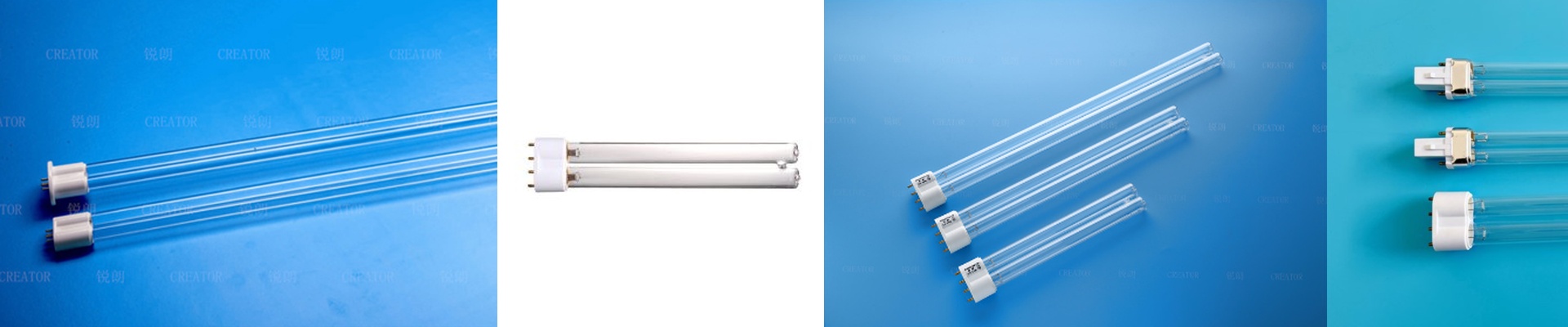
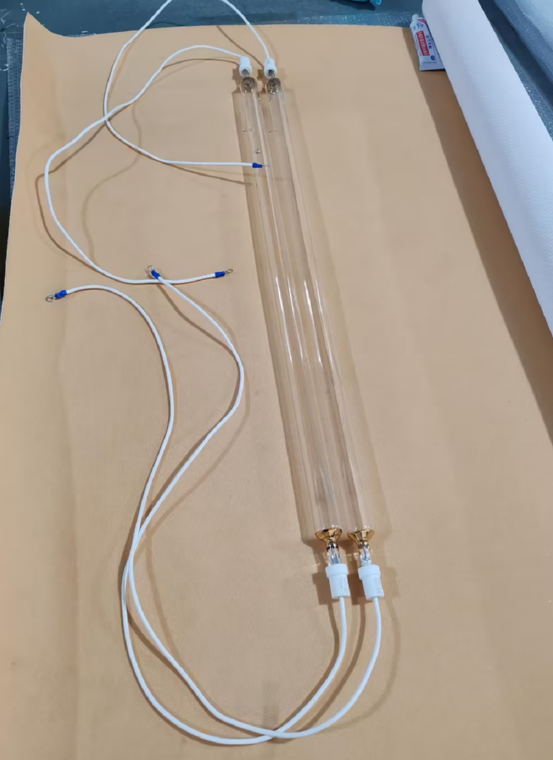
Let’s Talk High-Pressure Mercury UV Lamps
Look, UV-LEDs are great, but they can’t do everything. When you’re dealing with deep-cure jobs—the kind where you need to get through thick layers of resin or tough adhesives—you need a broader spectrum. That’s where our high-pressure mercury lamps come in. We build these to hit hard and fast, but the real trick is balancing that raw power with the heat it generates. Power and the Heat Struggle The goal here is a wide emission spectrum. You need both the short-wave and long-wave UV to make sure those thick layers actually set. We push the wattage high so your line speed doesn’t crawl. But here’s the catch: all that energy creates a lot of heat. If your cooling fans or water-jackets aren’t up to the task, the lamp envelope is going to overheat. When that happens, your electrodes fry, and your lamp life plummets. It’s simple physics. Make sure your cooling is beefy enough to handle the load. The Build Quality (Where the Cheap Stuff Fails) We use high-purity fused quartz. Why? Because it doesn’t soak up the UV rays—it lets them out. Plus, it’s tough enough to handle the internal pressure of the mercury vapor without warping. We’ve also spent a lot of time obsessing over where the electrodes sit to stop them from burning out too early. And let’s talk about the “pinch”—the seal. On cheap lamps, this is usually the first thing to snap, especially if your machines vibrate a lot. We build our seals to take a beating. They just hold. Getting Them Running Most of our lamps are designed to be simple drop-in replacements. We make sure the footprint matches your existing reflectors so you aren’t fighting with the fit. One quick tip: when you’re wiring things up, just double-check that your ballast matches the lamp’s striking voltage. It saves a lot of headaches. We aren’t into fancy marketing pitches. We care about the cure rate. If our lamps don’t hit the same speed or surface hardness as the big-name brands at the same price, we’ll give you your money back. Period.