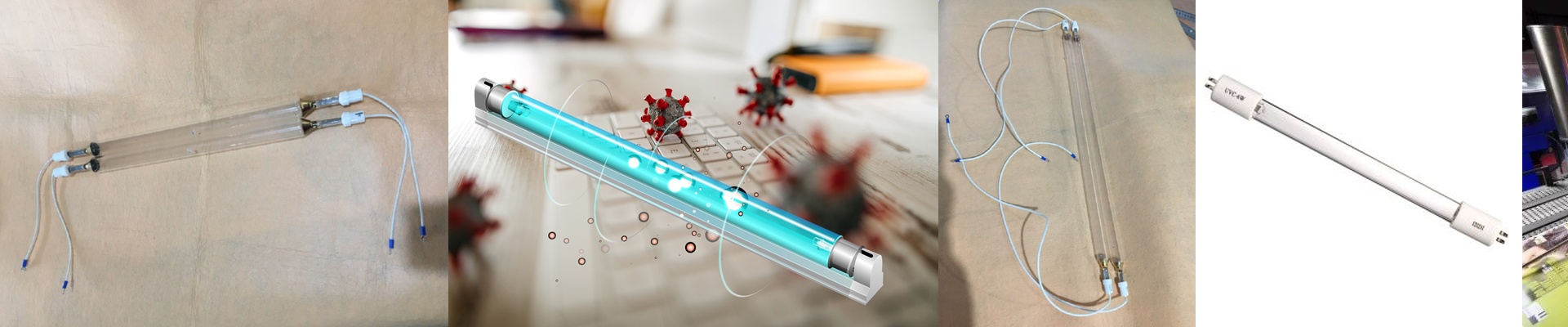
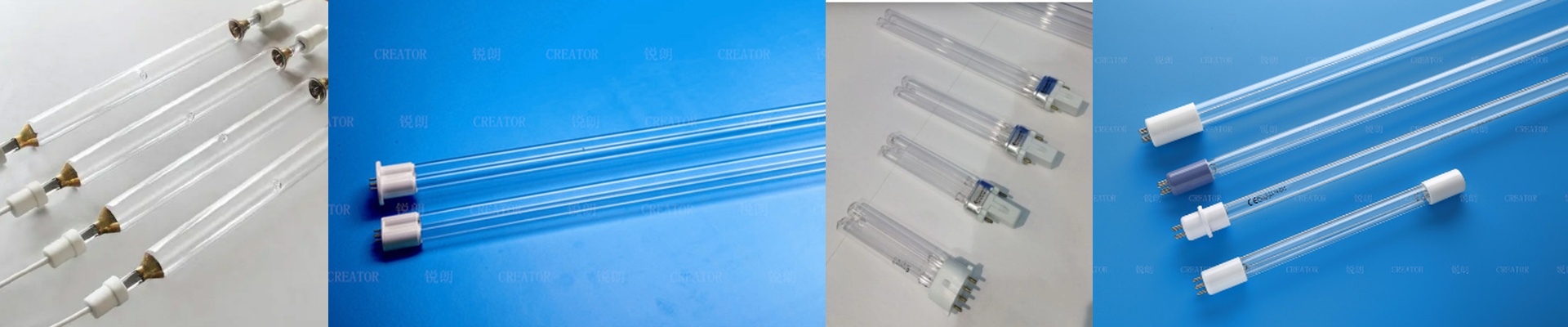
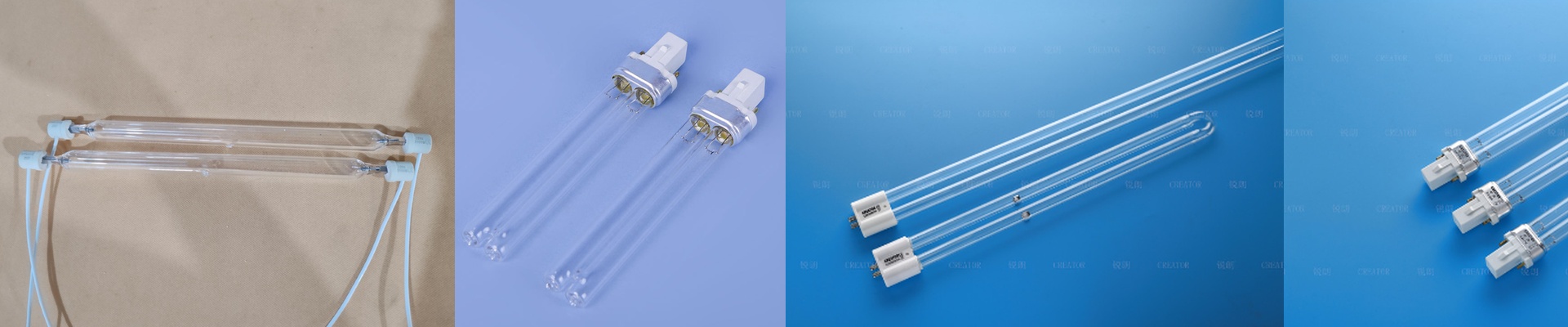
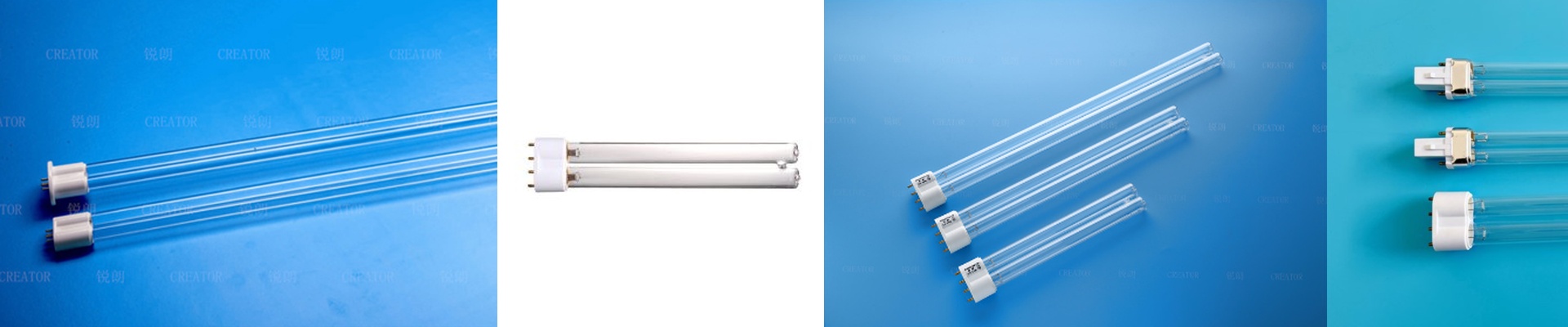
Getting the Most Out of 80W/cm Mercury Lamps: The Fight for 0.5% Precision
Most standard mercury UV lamps are a bit messy. They throw energy everywhere, which is fine for some jobs, but if you’re doing high-precision curing or sterilization, that variance is a nightmare. You end up with “cold spots” where nothing happens, or burnt zones where you’ve over-cured the material. We spent our R&D time trying to fix that. We wanted to shrink that energy window down to a tight 0.5% concentration.
Dealing with the Heat
Running at 80W/cm is intense. It’s a lot of power. If you aren’t careful, you’ll burn through your electrodes or just crack the quartz envelope. The secret is keeping the mercury vapor pressure and the discharge arc steady. When the arc starts to wander, your energy concentration tanks. We focused on stabilizing the plasma column so the UV output stays smooth and uniform from one end of the tube to the other.
It’s All in the Details
Hitting that 0.5% mark isn’t about cranking up the power. It’s about consistency. We had to get obsessive about the quartz wall thickness and the purity of the mercury. It sounds overkill, but even a tiny, micron-level deviation in the glass can scatter the light or shift the refractive index. We stripped out those impurities to make sure the light goes exactly where it’s supposed to.
The “Catch”
Here’s the thing: this kind of energy concentration puts a massive strain on your cooling. If your airflow isn’t dialed in, the lamp will overheat. Once that happens, your spectral output shifts and the life of the tube plummets. You can’t just let these lamps sit in stagnant air. And please, clean your reflectors every week. A little bit of dust can completely wipe out the precision we worked so hard to build into the lamp. We built this for the engineers who can’t afford a 2% margin of error. If your power supply can handle the specific impedance, it’s a simple swap for your current 80W/cm lamps.