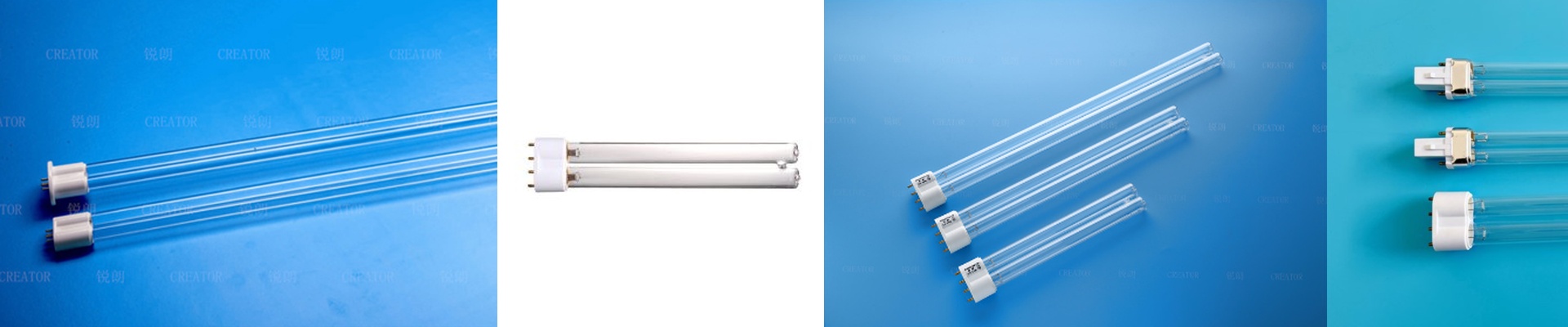
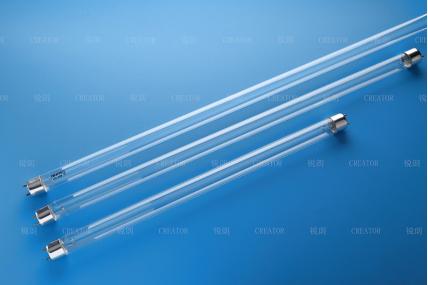
The Real Deal on UV Lamps in Textile Work
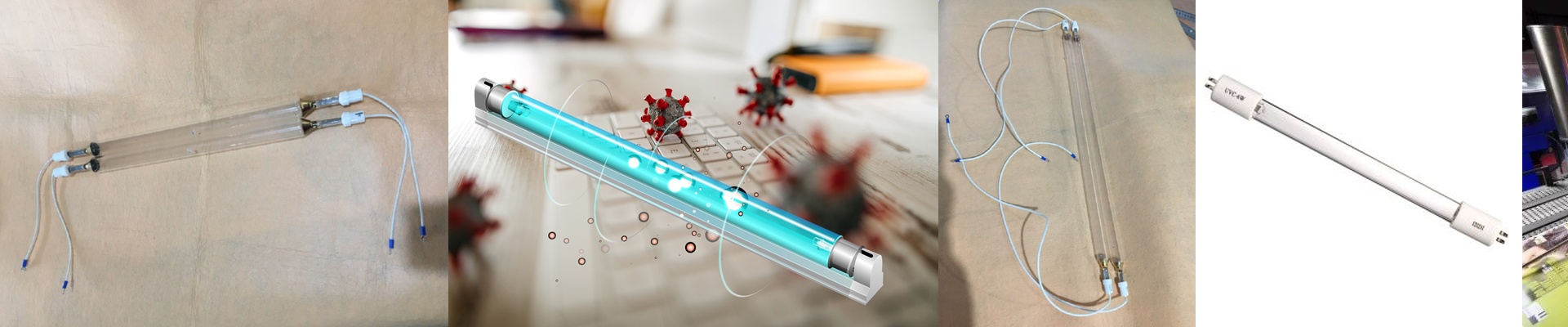
If you’ve ever wondered how dyes actually stay put or how coatings get that hard, professional finish, look no further than the UV lamps. They’re basically the unsung heroes of the whole production line. We aren’t just talking about some bright lights here—we’re talking about the heavy lifting that locks in your colors and sets your coatings.
How it actually works
It all comes down to a bit of chemistry. To get screen-print ink or a synthetic coating to bond, you need a very specific wavelength of light to trigger the reaction. Here’s the problem: if your wattage dips or the wavelength is off, the ink stays tacky. And nobody wants that. It leads to “blocking,” which is just a fancy way of saying your garments stick together the second you fold them. A total nightmare for quality control.
Getting the replacement right
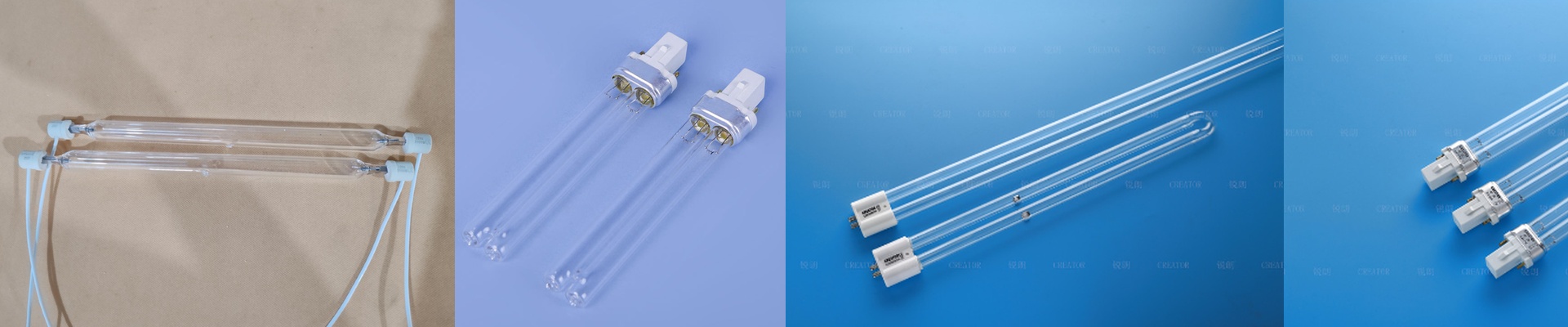
When a lamp burns out, don’t just grab the first one that looks similar. Your new lamp has to match your ballast exactly. If the voltage or wattage is off, you’re looking at two bad options: you either fry your transformer or you end up with a product that isn’t cured. I’ve seen too many engineers try to squeeze more wattage into a space that wasn’t built for it. That’s where things get hot. Really hot. High-density UV output throws off a ton of infrared heat. If your cooling fans can’t keep up, you’ll end up scorching your fabric or warping the lamp housing. Not a great look.
Keeping things running smooth
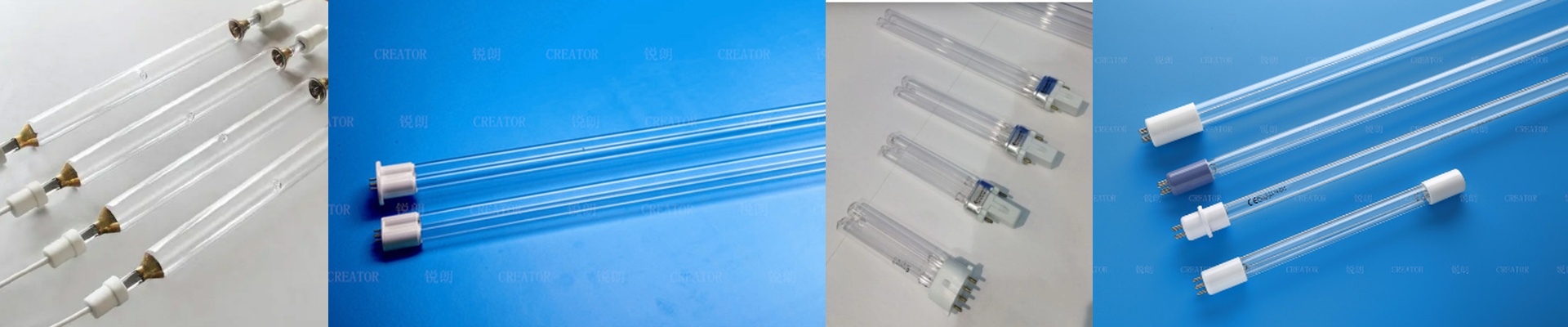
The tricky thing about UV lamps is that they fade. Even if the lamp is still glowing a nice, bright blue, the actual output is dropping. You’ve got to keep an eye on the hours. If you don’t, your cure speeds will drift. Now, swapping in a new lamp is the quickest fix, but do yourself a favor and clean the quartz sleeve first. Dust and chemical gunk on the glass block those UV rays. When that happens, you’re forced to slow down the conveyor belt just to get the job done. That kills your throughput and wastes your afternoon. One last tip: check your reflectors every time you change a lamp. If they’re pitted or worn, you’re wasting about 20% of your energy. Your fabric ends up taking a beating from the heat without actually getting the UV dose it needs. It’s a waste of power and a risk to your material.