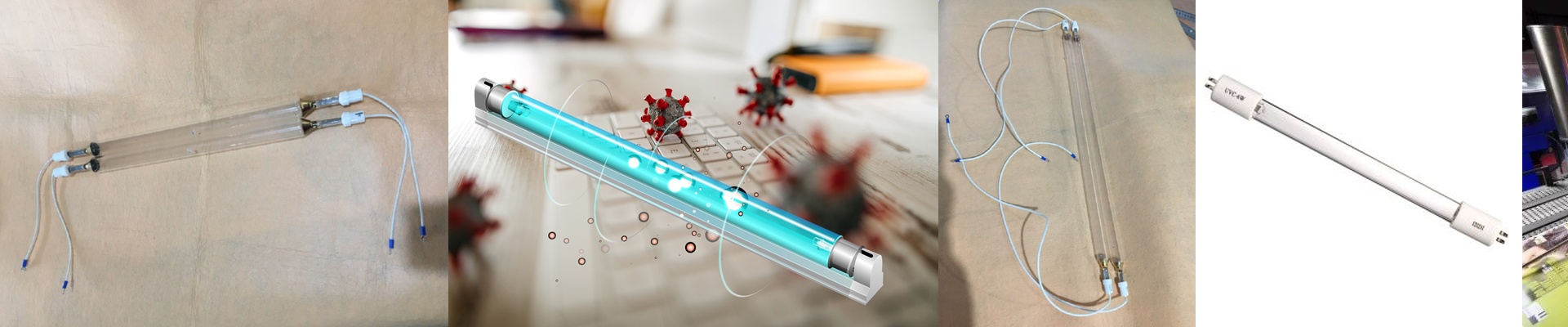
Getting UV Energy Right in the Modern Factory
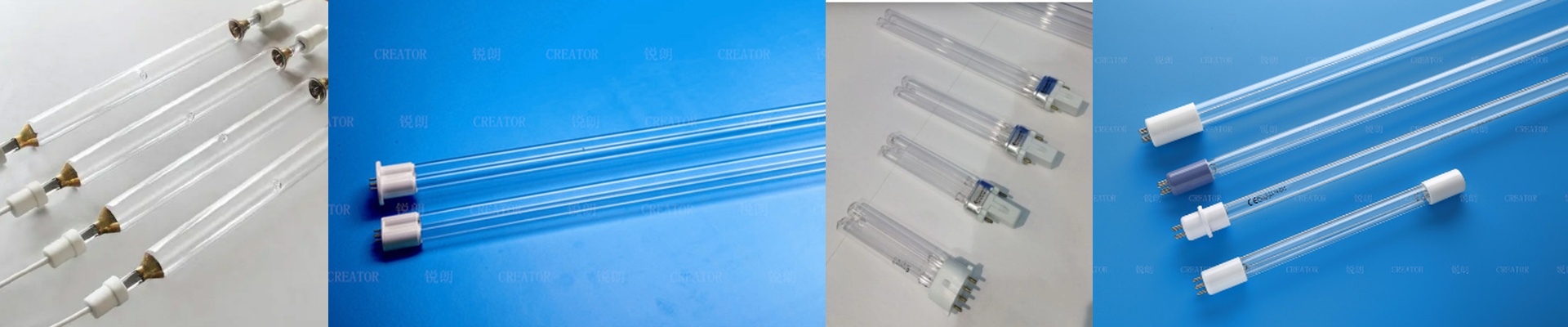
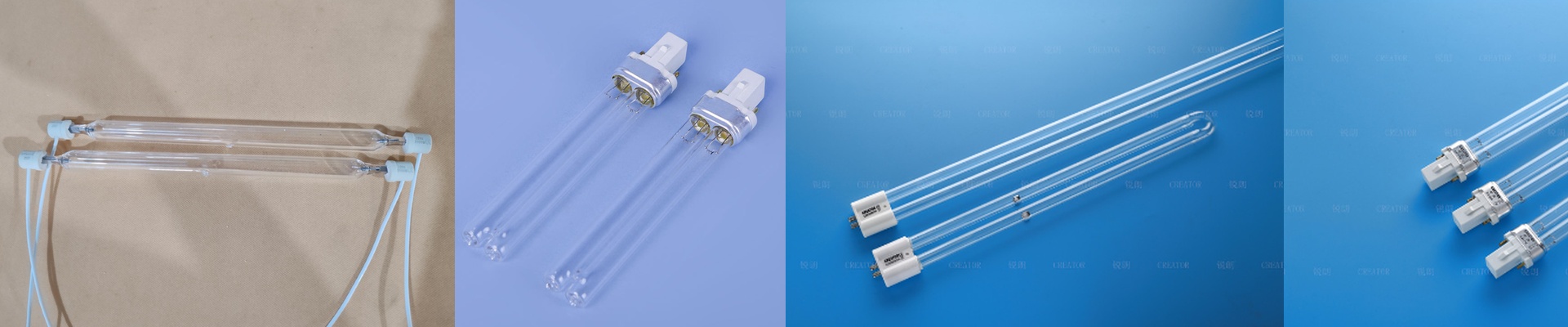
Let’s be honest: we’re way past the days of just “curing” things. If you’re running a modern shop, your high-pressure mercury lamp isn’t just some heat source. It’s a precision tool. If you want to hit the speeds we’re talking about for 2026, you can’t just wing it. You need a lamp that hits the sweet spot between spectral output and staying cool under pressure.
How the Physics Actually Works
Here is the deal with high-pressure mercury lamps. They work by pushing an electric arc through vaporized mercury. That creates a broad blast of UV radiation, mostly in the UVC and UVB bands. We build these to keep the arc voltage steady, even when your power line is acting up. It’s a delicate balance. If the wattage is too low, your line slows to a crawl. Too high? You’ll end up scorching your materials. Nobody wants that.
The Nitty-Gritty on Materials
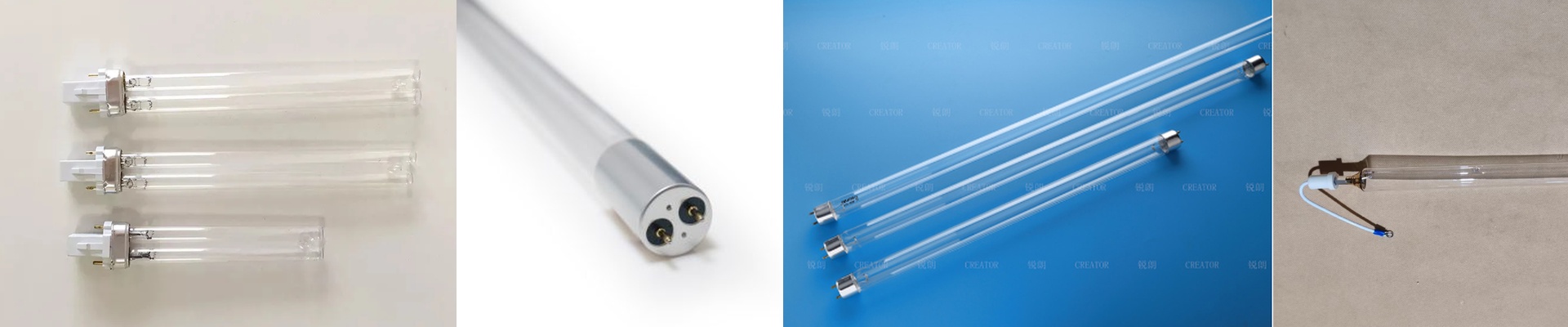
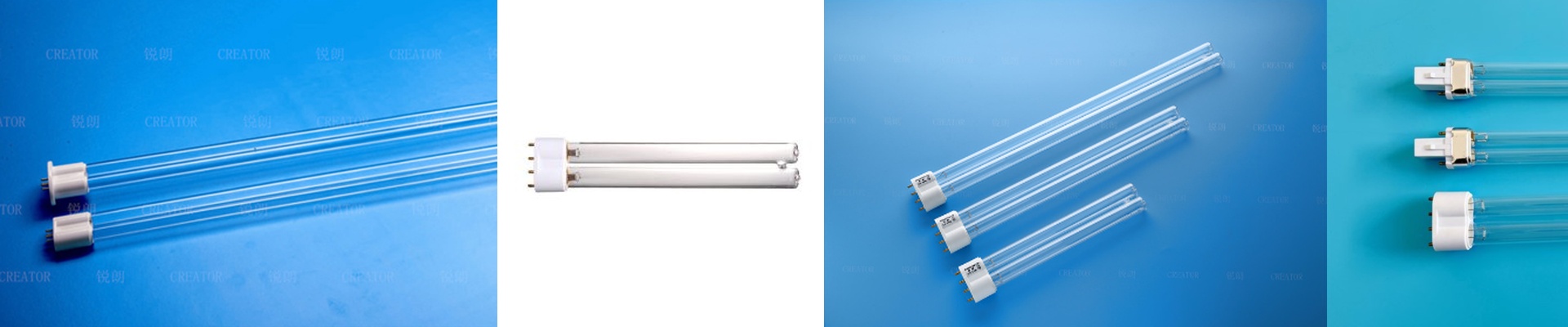
We use high-purity fused quartz for the envelope. Period. Standard glass just blocks the UV you actually need. Plus, the quartz has to handle massive temperature swings without cracking. Then there’s the electrode chemistry. We use thoriated tungsten so the lamps don’t burn out prematurely. And here is a pro tip: watch your end-cap seals. That’s where most systems fail. We’ve tightened the tolerances there so the vacuum holds up, even if you’re running 24/7. But keep this in mind—high-output lamps put off a ton of infrared heat. If your cooling fans or water jackets aren’t beefy enough to handle the BTUs, your lamp is going to overheat. When that happens, your lifespan drops off a cliff.
Making it “Smart”
Connecting this gear to a digital setup means ditching those old-school transformers for electronic ballasts. It’s a huge upgrade. Now, you can dim the output or pulse the energy based on what your sensors are telling you in real-time. It’s a drop-in replacement that fits where your old gear sat, but it actually talks to your PLC. It’s not about just flipping a switch anymore. It’s about controlling the exact dose you need.