Getting Your UV Cure Exactly Right
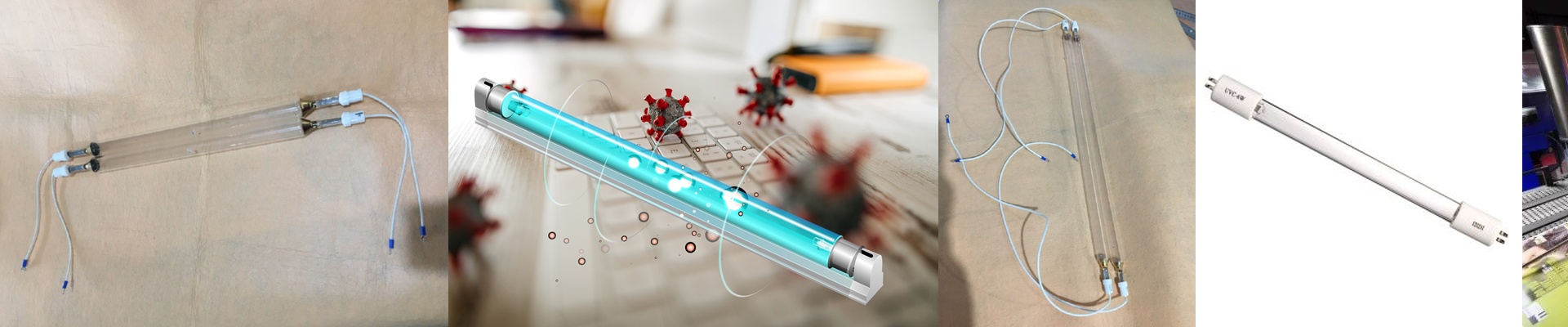
Most mercury UV bulbs are basically the heavy lifters of the drying line. They get the job done, but they’re a bit messy with how they throw out energy. If you’ve ever had a coating that looks cured on top but is still gooey underneath, you know exactly what I’m talking about. It’s a nightmare.
The Secret is in the Focus
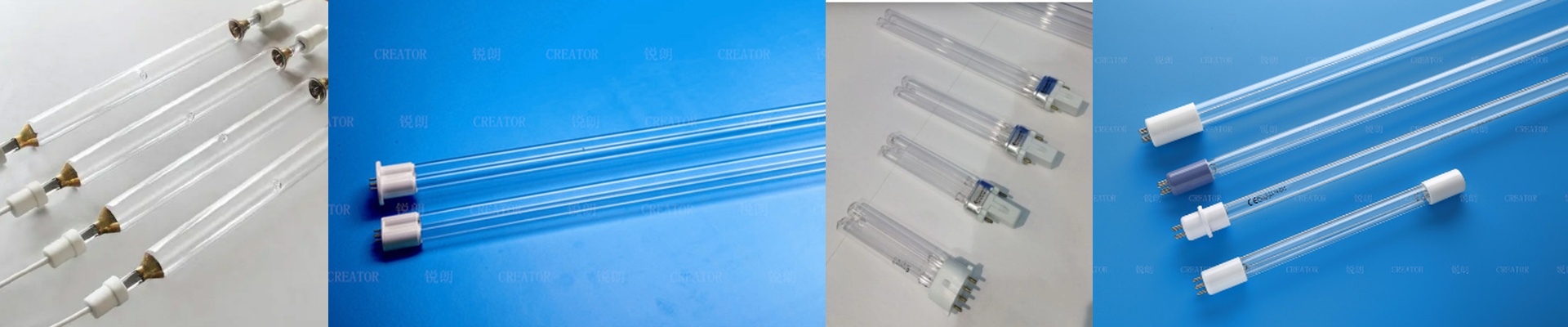
We spent a lot of time in the lab trying to tighten that energy spread down to a 0.5% variance. Now, this isn’t about cranking up the power. It’s about precision. In a typical bulb, those UVC and UVB peaks tend to wander. We fixed that by tweaking the internal gas pressure and the way the electrodes are shaped. We basically locked the energy in place. The result? You stop guessing. You don’t have to wonder if the parts hitting the edge of the conveyor are getting the same treatment as the ones in the middle. It’s just consistent.
Dealing with the Heat
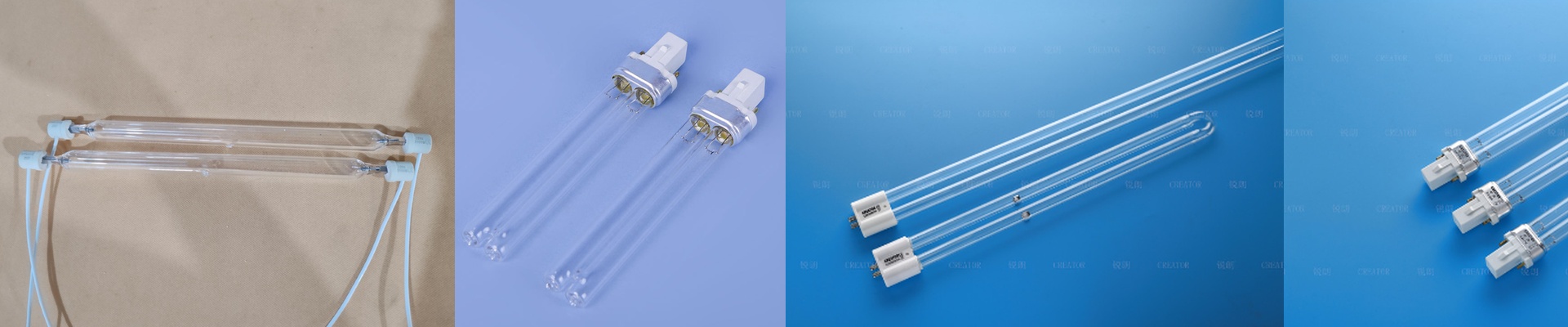
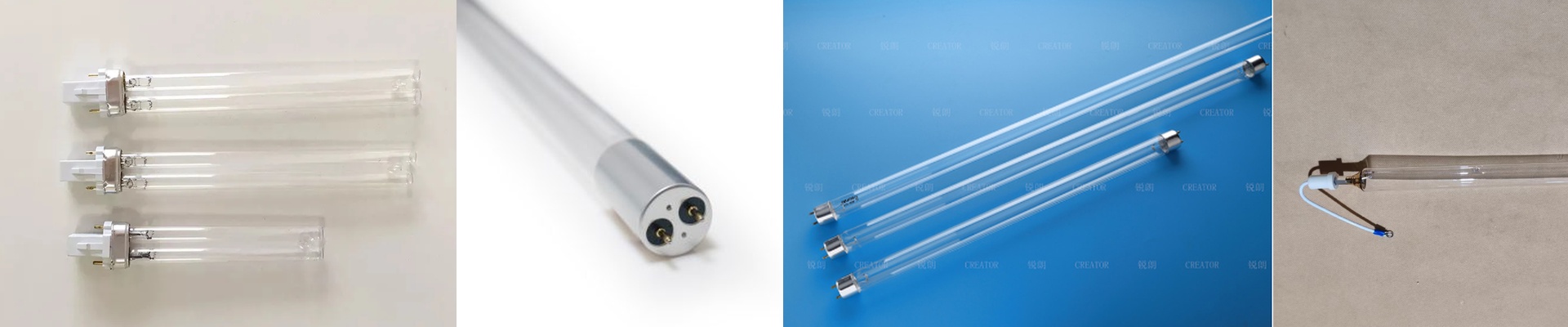
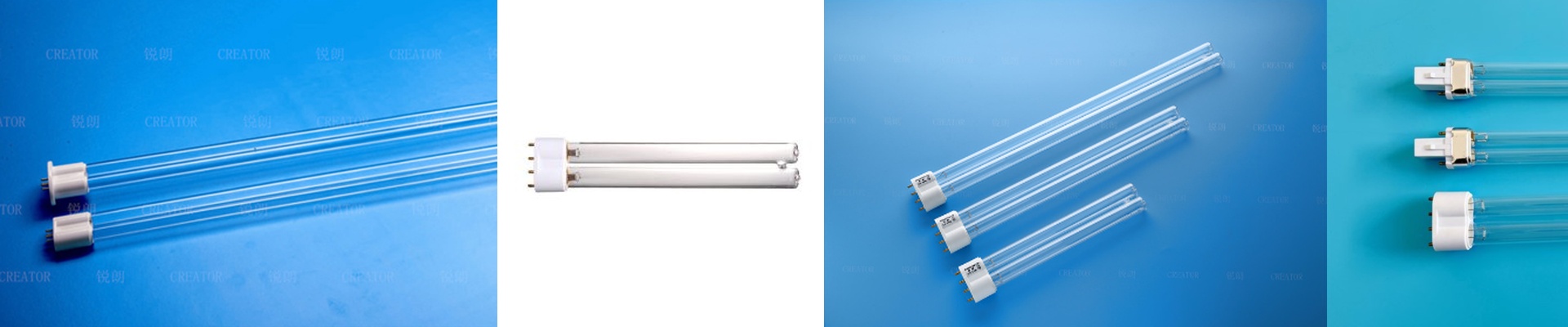
To make this work, we had to go with high-purity fused quartz. It’s tough. It takes the heat without warping, which is huge because if the glass shifts even a tiny bit, your focal point is gone. But here’s the catch: precision creates heat. Since we’re concentrating all that energy, the center of the arc runs hot. If your cooling fans are dusty or your reflectors are looking a bit beat up, these bulbs won’t last as long. You’ve got to make sure your setup can pull that heat away quickly, or you’ll put too much stress on the quartz.
Real-World Use
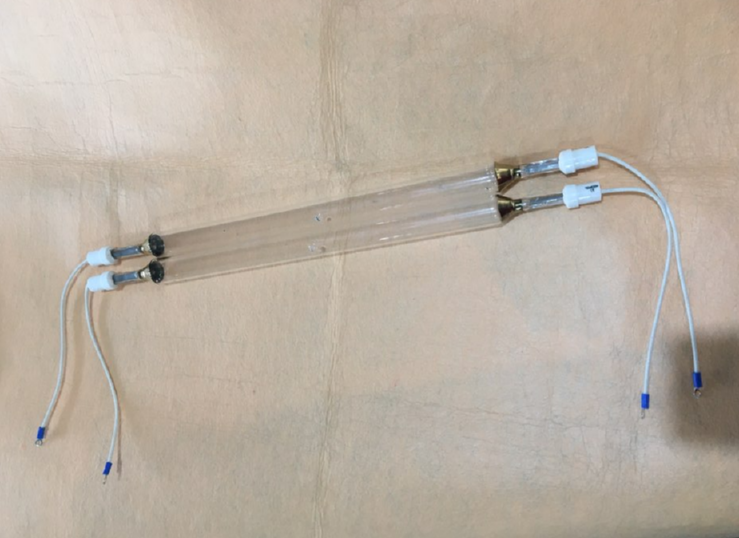
The best part is that these just slide right into your existing systems. We built these for the high-speed lines where a tiny 2% shift in energy means a whole batch of ruined, uncured parts. Because the spectral window is so tight, you can stop “over-curing” just to be safe. That means no more yellowing or brittle substrates. You give the parts exactly what they need. Nothing more, nothing less.