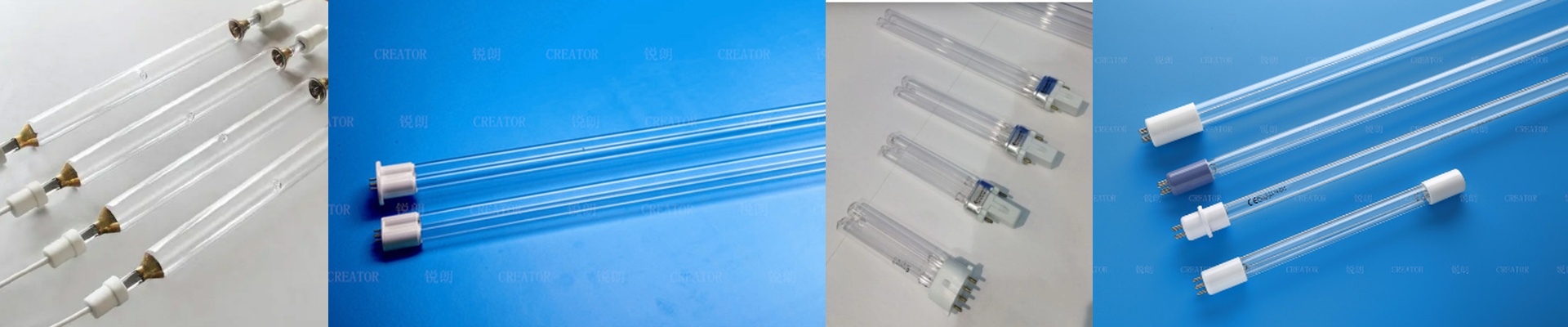
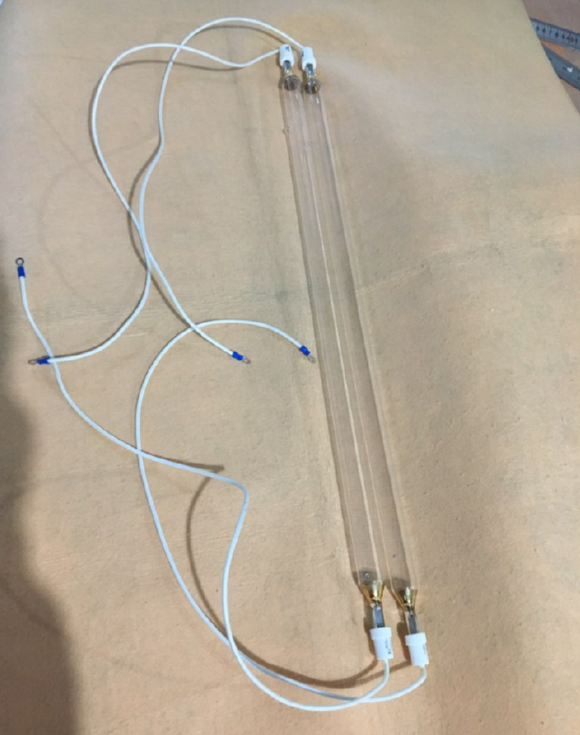
On high-speed UV offset, flexo, and screen lines, you live and die by the curing window—milliseconds, at best. Run hundreds of thousands of flash cycles per shift, and conventional mercury lamps start to drift. Spectral output wanders. Electrodes degrade. The payoff is inconsistent cure, pinholes, and downtime you didn’t plan for.
What matters under the hood
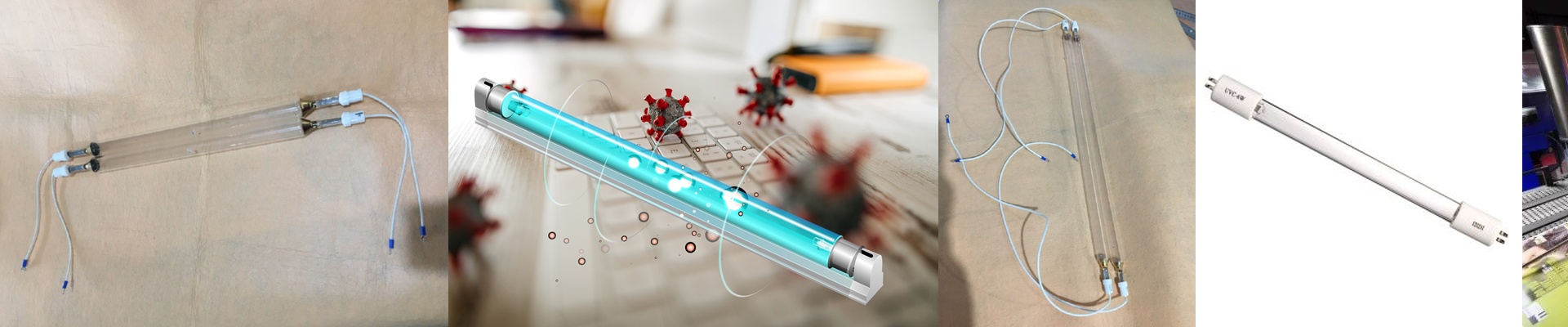
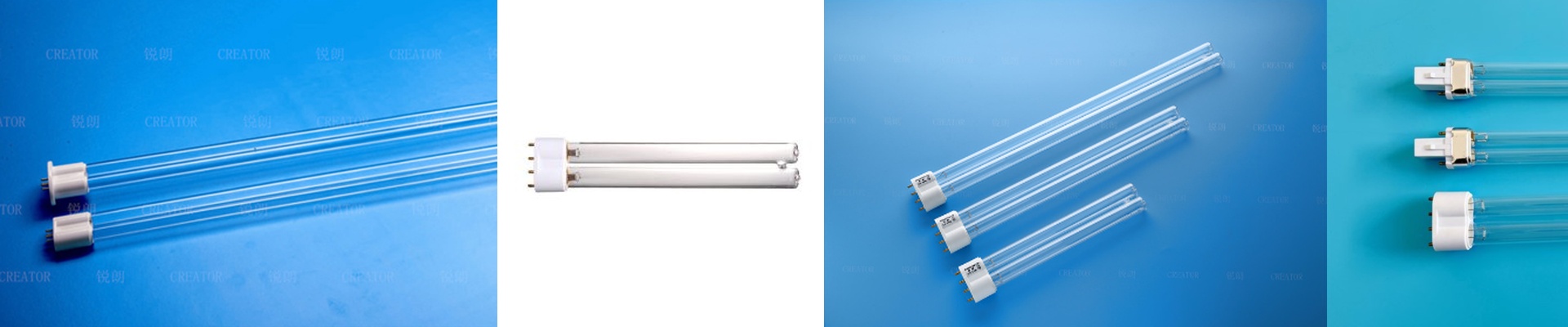
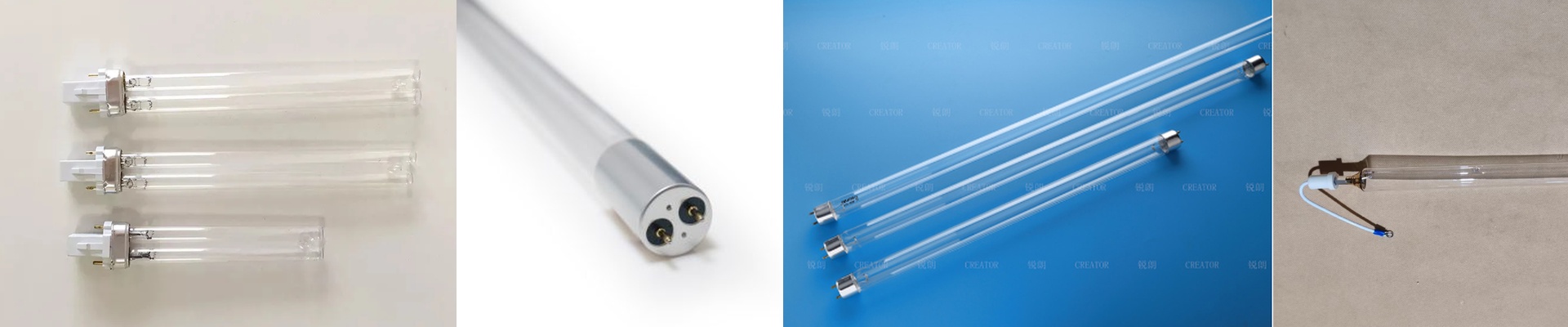
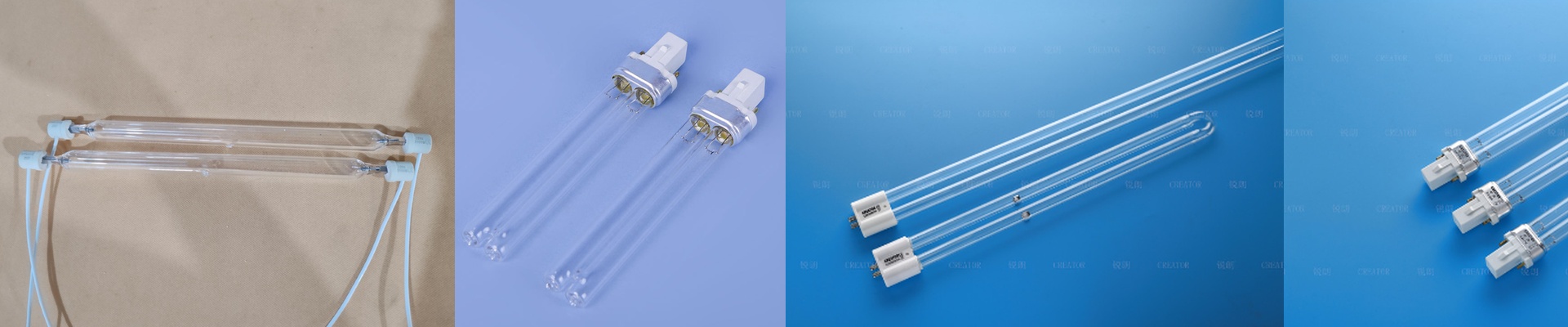
We build our quartz mercury UV lamps around a low-thermal-inertia cathode geometry. The electrode structure gets to stable operating temperature within a few flashes, then sheds heat quickly between pulses. That keeps mercury vapor pressure stable, so the spectral output—dominated by the 365 nm line—stays repeatable, shot after shot. You get stable peak irradiance along the arc length and a predictable lamp life curve. Units routinely hit 5,000+ hours while holding output within tight tolerance. The quartz envelope is chosen for high UV transmission and low thermal expansion, and the reflector assembly uses a dichroic coating to bounce useful wavelengths back onto the substrate while managing IR.
Why this matters on the line
With rapid flash curing, the cathode is where fatigue shows up first. Our anti-fatigue electrode design fights sputtering and end-of-life blackening, so you can run tens of thousands of fast flashes without the spectral drift that kills color consistency and adhesion. The practical wins: faster job changeovers, less heat load on sensitive substrates, and fewer lamp swaps. Energy use drops because the system spends less time stabilizing and more time delivering the target energy density.
The details that keep it honest
These lamps are particular about power supply matching and ignition profile. Match the igniter to the lamp’s rated voltage and arc length, and double-check reflector alignment so you hit the required dose distribution. Some configurations will show a slightly higher initial ignition voltage. Also, confirm your cooling airflow keeps the quartz envelope temperature within spec. For the most stable performance, run the lamp inside its rated power window and track output over life with a spectral radiometer.