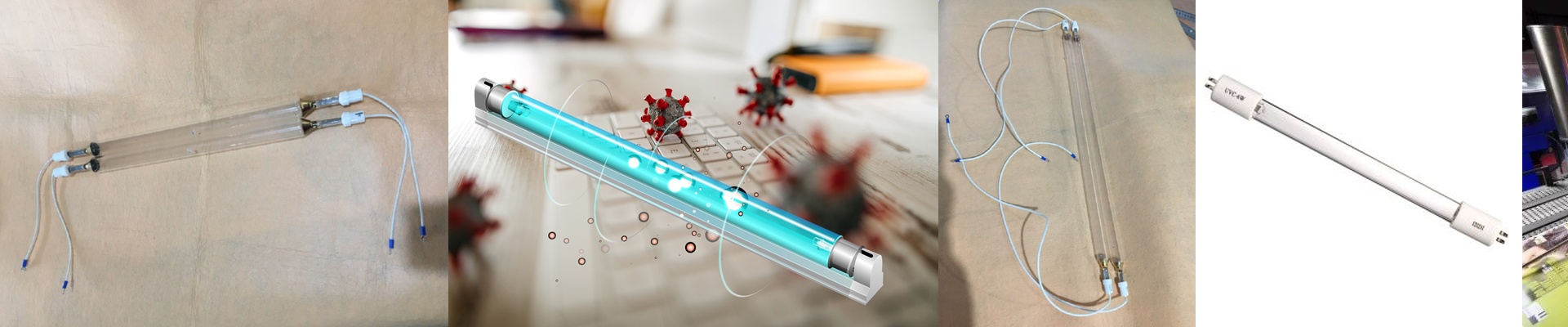

Getting Your Mercury UV Source Actually Right
Most suppliers just ship you a tube and call it a day. To us, that’s a mistake. A UV lamp isn’t just a part; it’s the heartbeat of your curing process. If your ink isn’t tacking or you’re seeing bubbles in your coating, your first instinct is probably to blame the chemistry. But more often than not? It’s the lamp. Either the spectral output is off, or the heat is just too much for the material to handle.
The Tug-of-War: Power vs. Heat
Here’s the thing about mercury lamps: they’re a balancing act of pressure and temperature. When we spec a high-wattage lamp for a fast line, we’re cranking up the UV-C and UV-B to make sure that polymerization goes deep. But that power comes with a price—heat. If your reflectors are dirty or your fans aren’t pushing enough air, those high-output tubes will burn out way too fast. You get the speed you want, sure. But you might end up replacing lamps way more often than you’d like.
Picking the Right Quartz
We don’t just use any glass. We use specific quartz grades to control what actually hits your product. Some of our quartz is “doped,” which is a fancy way of saying we can block the short-wave UV that tends to melt or warp heat-sensitive materials. Instead, we push that energy into the long-wave spectrum. The result? Your surface resin cures perfectly, but your substrate stays flat and cool. We also make sure the seals are tough enough to handle the constant heating and cooling of a busy industrial shop. No leaks, no surprises.
Making it Actually Work on Your Line
Slapping in a “drop-in replacement” is rarely the smartest move. We’d rather look at your line speed and how thick your ink is. If you’re seeing that annoying “orange peel” texture or spots that just won’t cure, we can tweak the lamp length or wattage to smooth everything out across the web. And we don’t just stop at the hardware. We’ll help you get the wiring right so your ballast matches the lamp’s impedance. It stops the flickering and keeps your electrodes from wearing out prematurely. It’s just a better way to work.