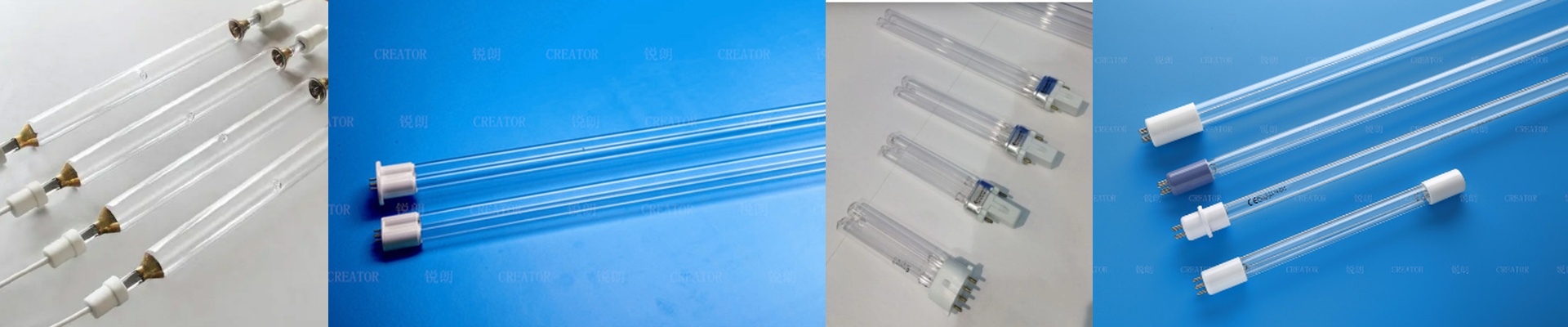
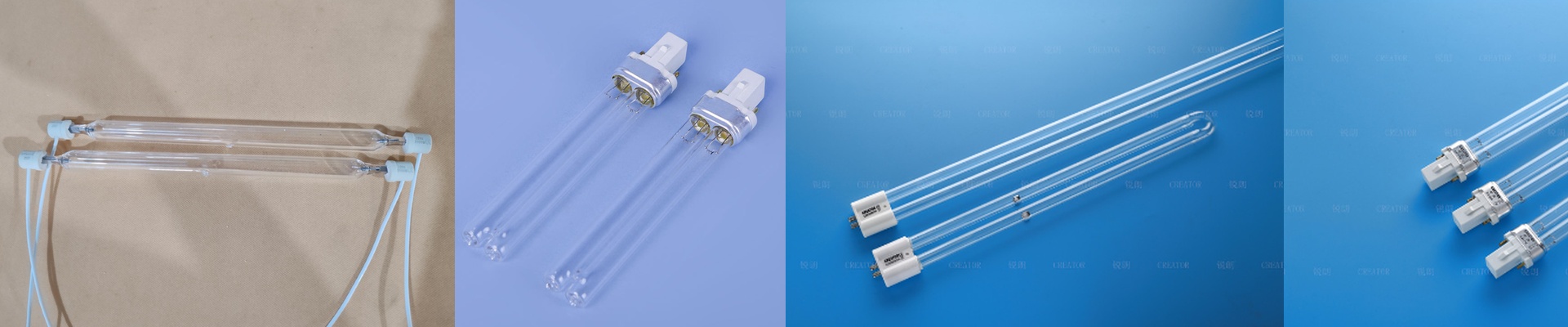
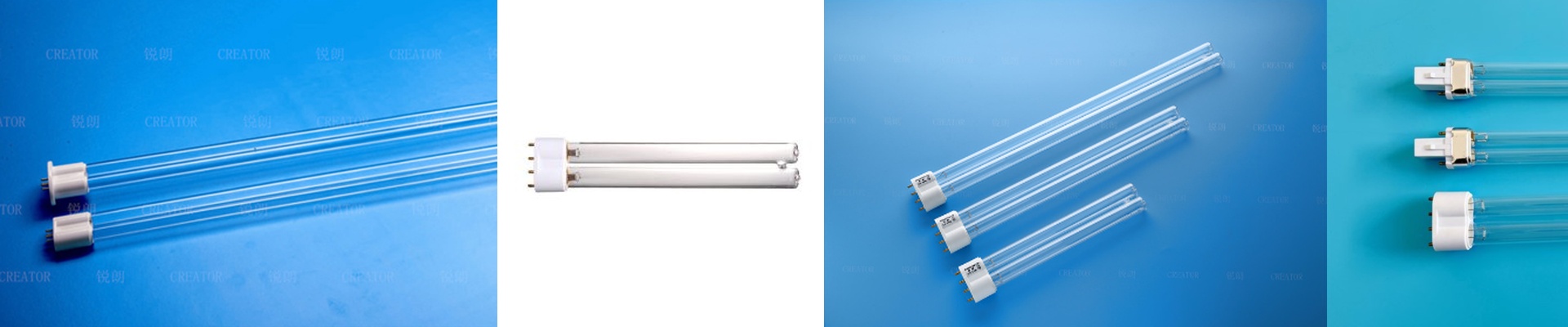
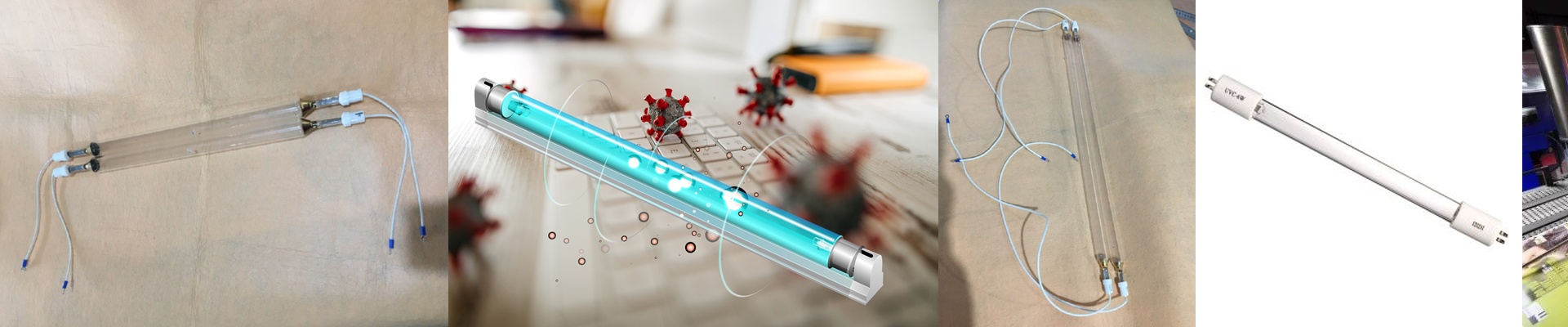
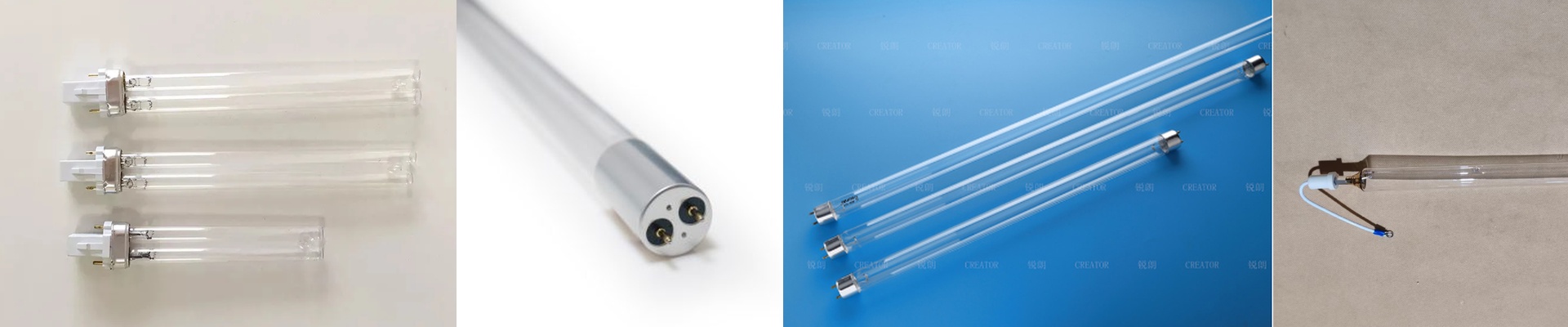
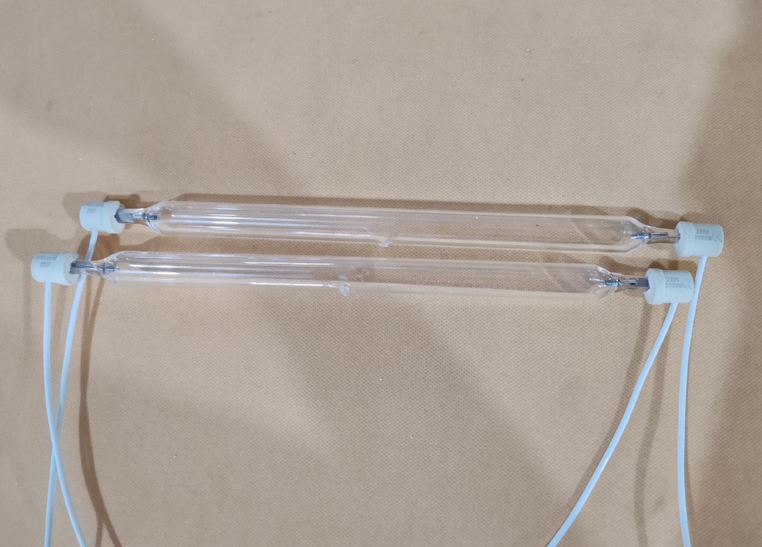
On a plant floor with multiple big presses running at once, electrical and electromagnetic noise isn’t theoretical—it’s right there on the meters. In UV curing and UV ink work, that noise can nudge arc stability, add current ripple, and throw off spectral output. When lamp output drifts, the photoinitiator response in the ink gets inconsistent, and cross-linking falls short of the runbook. We built our high-power UV lamp for sterilization around interference immunity, so it holds arc stability even while nearby drives, PLCs, and high-current equipment are hammering the line. What matters, day to day, is the lamp’s ability to keep the required energy density and peak irradiance at the target wavelength. We run an ozone-free high-pressure mercury vapor lamp with a stable 365nm dominant output and a controlled broadband tail. Pair that with a reflector system and dichroic coating that cut stray EMI coupling, and you get repeatable irradiance across the curing/sterilization zone. The power supply is built with industrial-grade EMC filtering and soft-start control, so start-up surges don’t feed back into the line or upset adjacent equipment. Here’s why that translates on the floor: stability equals uptime. In a multi-press shop, you get consistent curing energy on every pass, fewer rejects from under-cured ink, and predictable sterilization performance on tooling and surfaces. That means faster cycles, less rework, and lower energy per job. A couple of practical notes. These are high-intensity sources—install them with proper thermal management and verified line isolation. Make sure your fixture’s reflector alignment matches the specified focal distance, and confirm compatibility with your existing UV curing module or chamber layout. Matching the lamp to the reflector geometry is the difference between the rated output and what you actually measure on the substrate.