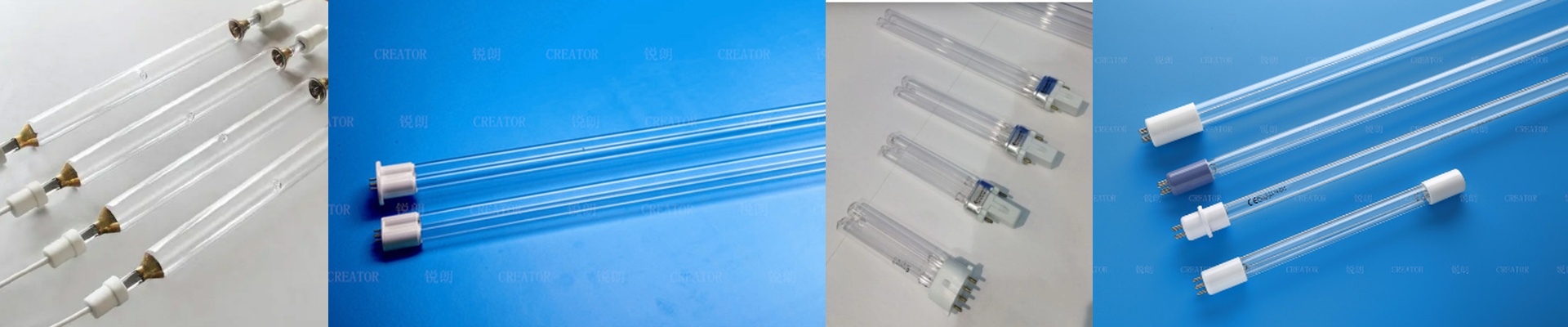
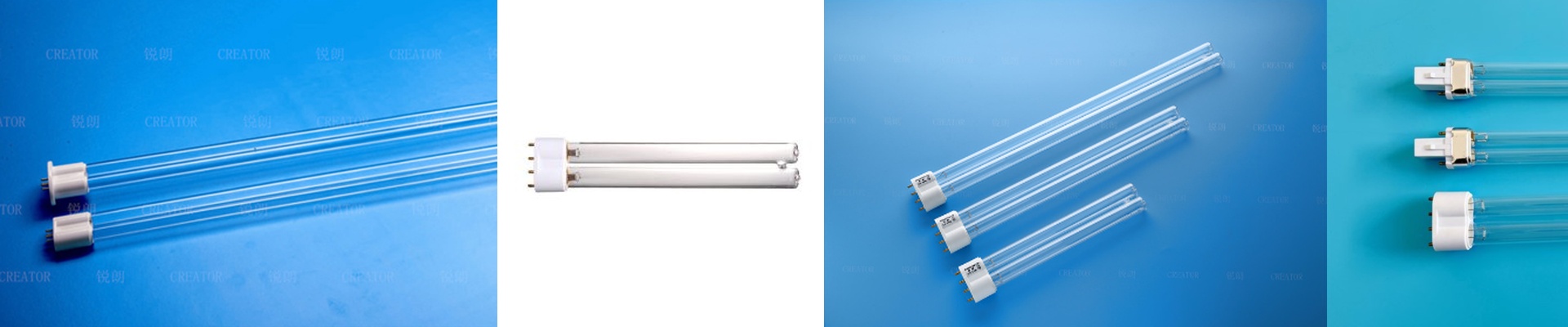
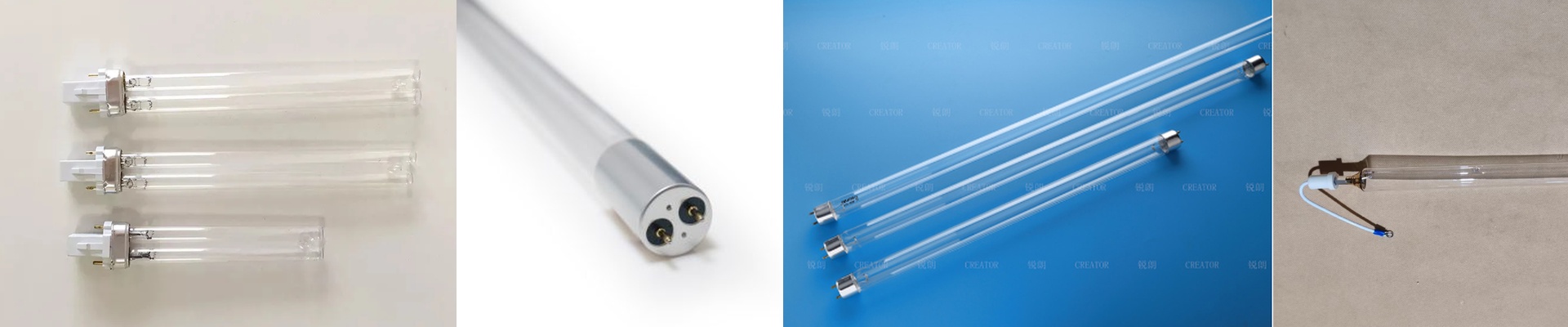
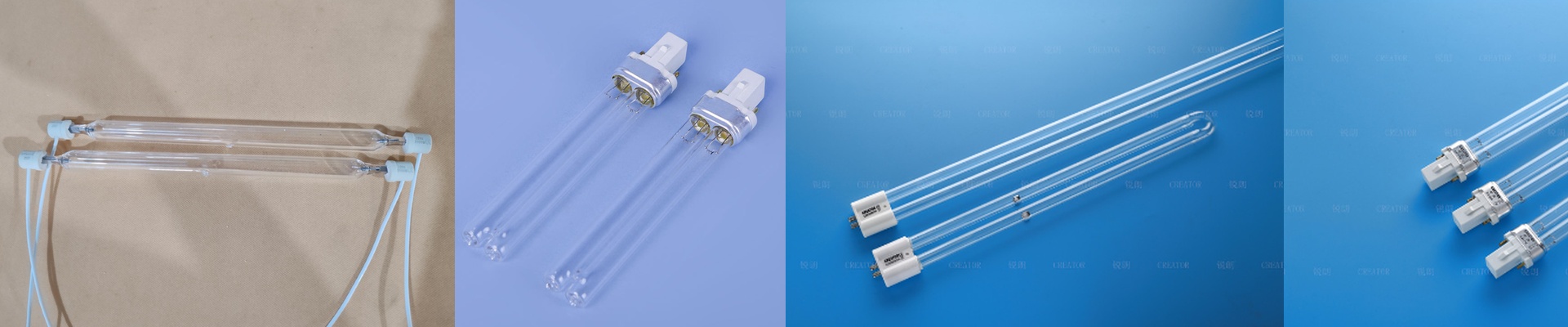
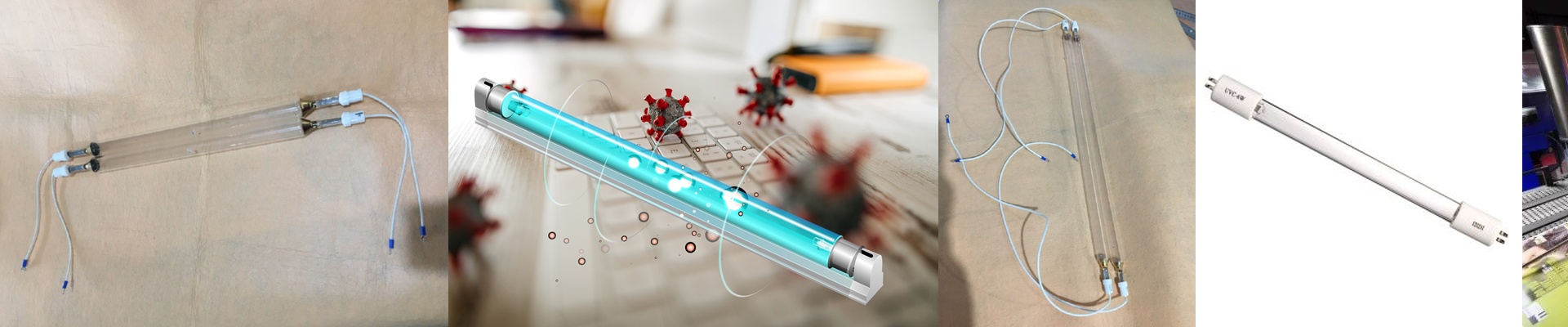
On a UV offset, flexo, or screen line, throughput dies the moment the cure window lags. You know the symptoms: ink that stays tacky, scuffing during handling, and adhesion that falls apart on coated stock. A 5kW high-power mercury UV tube is built to cut that bottleneck. Factory-direct, it puts serious curing output within reach of any plant running high-volume work. What matters, technically A 5kW mercury vapor lamp throws down a broad UV spectrum, anchored by the strong mercury lines, with high irradiance at 365 nm to drive photoinitiator activation deep into the ink. Peak irradiance at the substrate plane outpaces what low-power lamps can hold, so you get more energy density (mJ/cm²) per pass. That translates to instant cross-linking, even with opacity-heavy formulations and thicker ink films. The quartz envelope keeps output stable across medium- and short-wave energy. The reflector assembly, with its dichroic coating, pushes usable UV forward and wastes less IR. Run after run, you get dose repeatability you can count on. Why it holds up on the floor Going factory-direct strips out the markup, so you can spec a true 5kW mercury UV system without trading away lamp performance. In practice, that means you can run faster line speeds without sacrificing cure depth, cut rejects caused by surface tack, and get consistent adhesion on coated substrates. It cures through pigments and overprint layers, and the high-intensity profile shortens dwell time—freeing up press capacity. Energy goes where it needs to: into the cure, not into idle time and rework. Here’s what to keep straight A 5kW mercury UV tube needs proper thermal management and a ballast matched to the arc length and start behavior. Check reflector alignment and substrate distance—output falls off fast when the geometry is off. Make sure it’s compatible with your lamphouse, connectors, and shutter sequence. Expect ozone generation. Use an ozone-free configuration or make sure ventilation is adequate. With the right setup, these lamps deliver thousands of hours of stable output, but they still need scheduled inspection and reflector cleaning to keep peak irradiance where it should be.