Getting the Most Out of Your Mercury UV Curing Lines
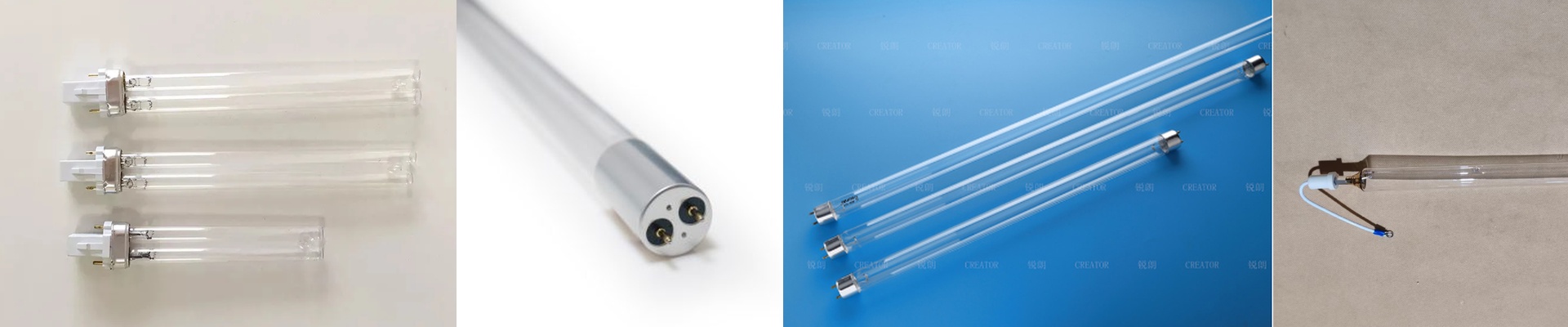
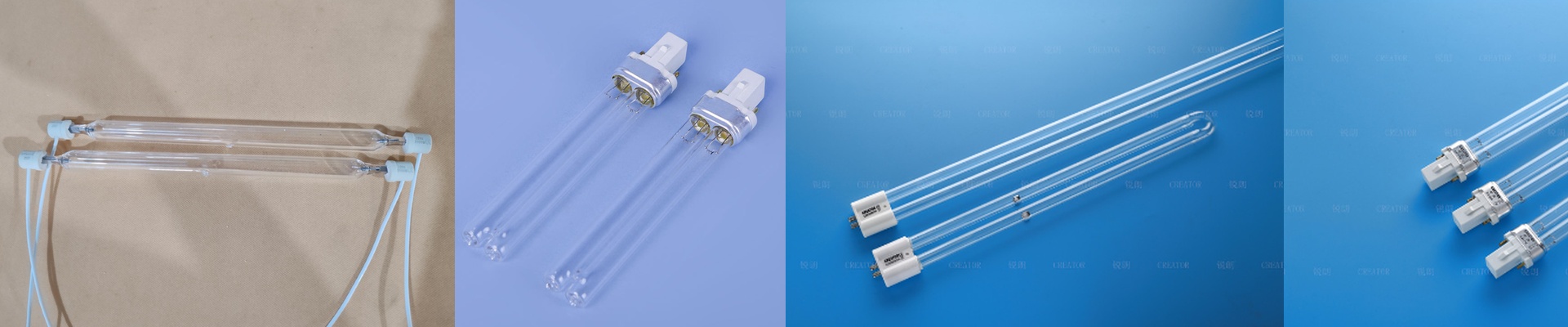
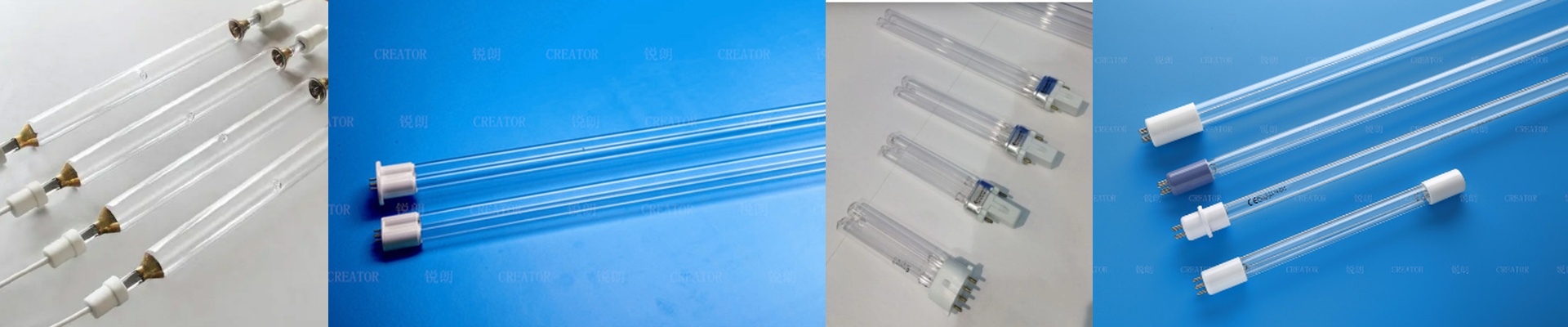
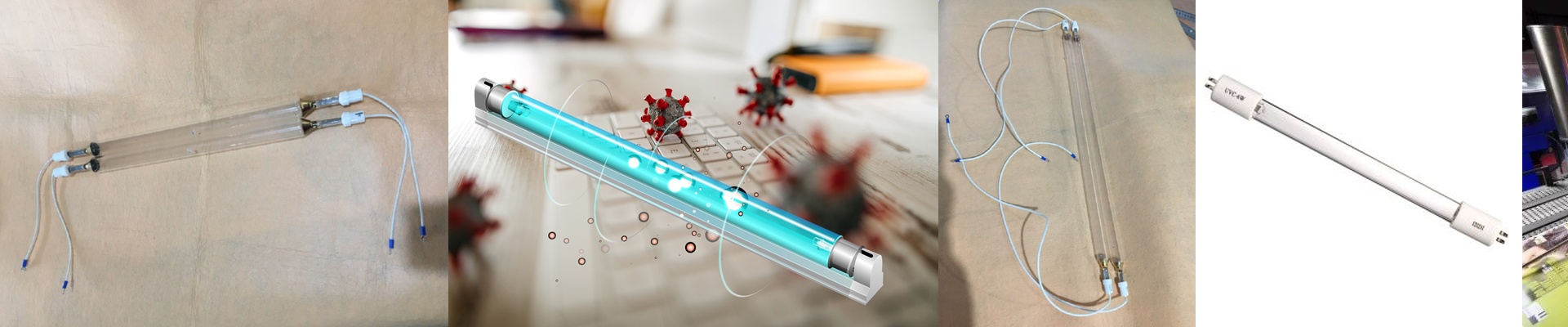
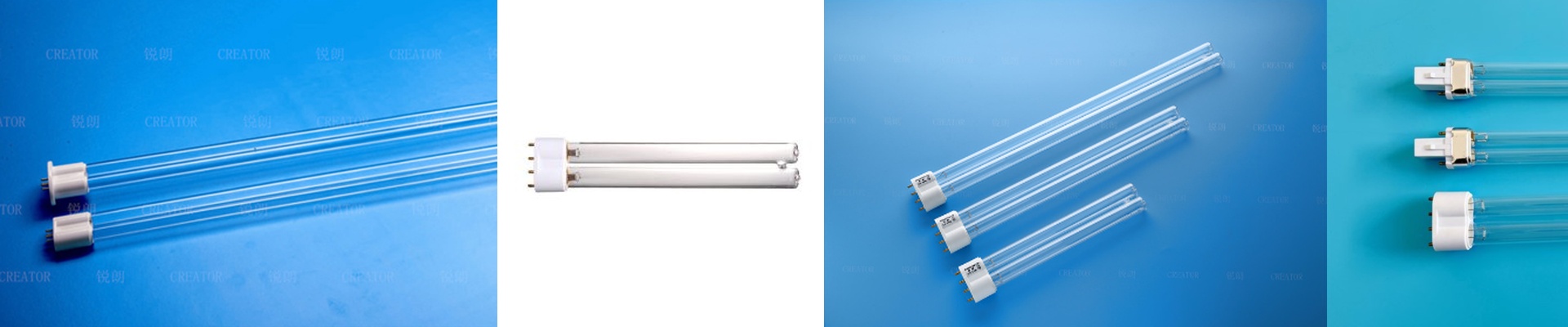
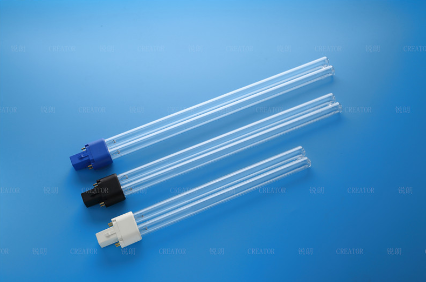
Mercury UV tubes are basically the heavy lifters of the industrial world. If you’re running coatings or adhesives, you know these things aren’t just “bulbs.” They’re the secret to making sure your product actually hardens the way it should.
Why some lamps just quit on you
We’ve all been there—a lamp burns out way too early, and suddenly your production line is a mess. Usually, that happens because the electrodes just wear down. To stop that, we use specific cathode emitters that can actually take the heat. It keeps the arc steady. The result? Your UV output stays strong for much longer. You won’t have to deal with those annoying “soft spots” where the product didn’t cure properly because the lamp was fading.It just works.
Dealing with the heat
Here is the thing: these tubes get incredibly hot. We build them with high-purity fused quartz so they don’t warp or crack when things get intense. But the glass is only half the battle. High-wattage tubes throw off a ton of infrared heat. If your conveyor is moving slowly, you might actually cook your substrate. Keep an eye on your cooling fans or water-jackets. You need to move that heat away from the part, or you’re asking for trouble.
Plugging them into your line
Nobody wants to spend a whole weekend rewiring a rack just to swap a lamp. That’s why we keep our tubes to standard industrial footprints. You can just pop them in during your scheduled downtime and get back to work. We also make sure the light output stays rock-steady. There’s nothing more frustrating than a PLC triggering a false alarm because of a little flicker or a dip in intensity. Plus, if you pair these with a high-frequency electronic ballast, you’ll save some energy and kill the flicker entirely. Just a heads-up: make sure your power supply can handle the initial strike voltage. You don’t want to stress the lamp ends right out of the gate.