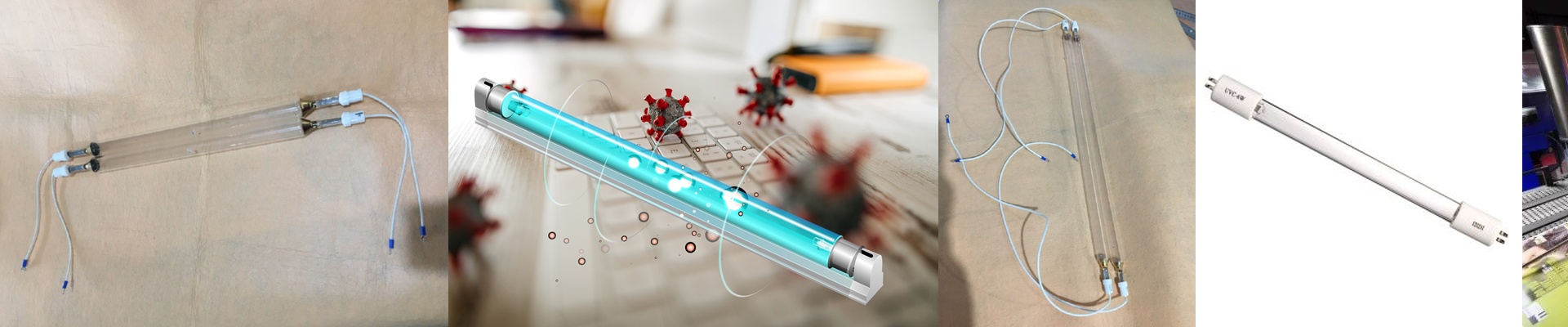
Stop Letting Lamp Lead Times Kill Your Production
When you’re cranking out best-sellers for an e-commerce rush, the machine itself is rarely the problem. The real nightmare? Waiting on a replacement lamp while your production line sits dead in the water. It all comes down to a balancing act between light intensity and the actual chemistry of your coatings. If that balance is off, nothing works.
Getting the hardware right
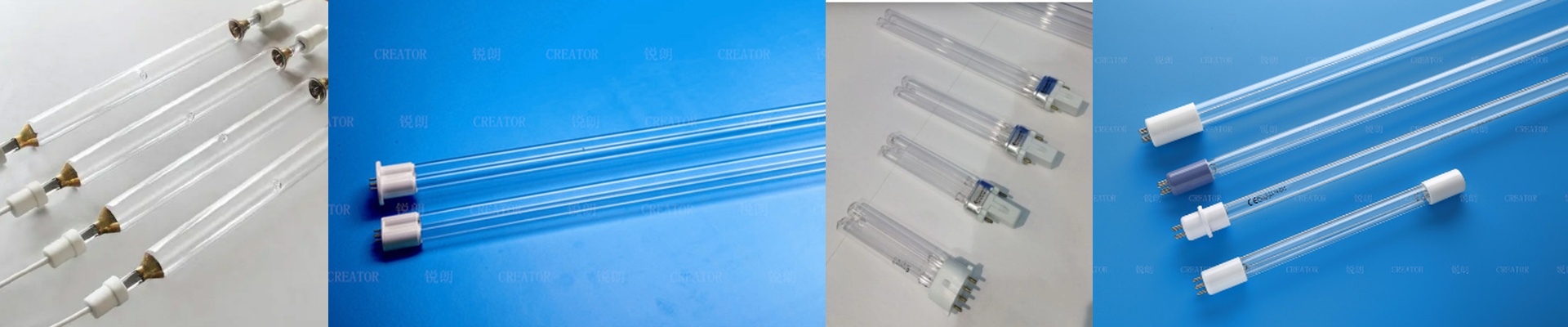
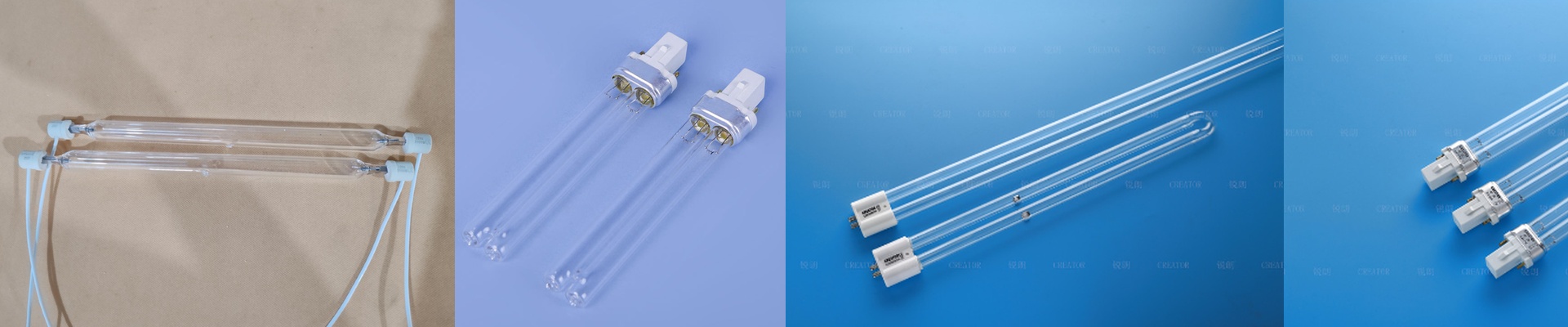
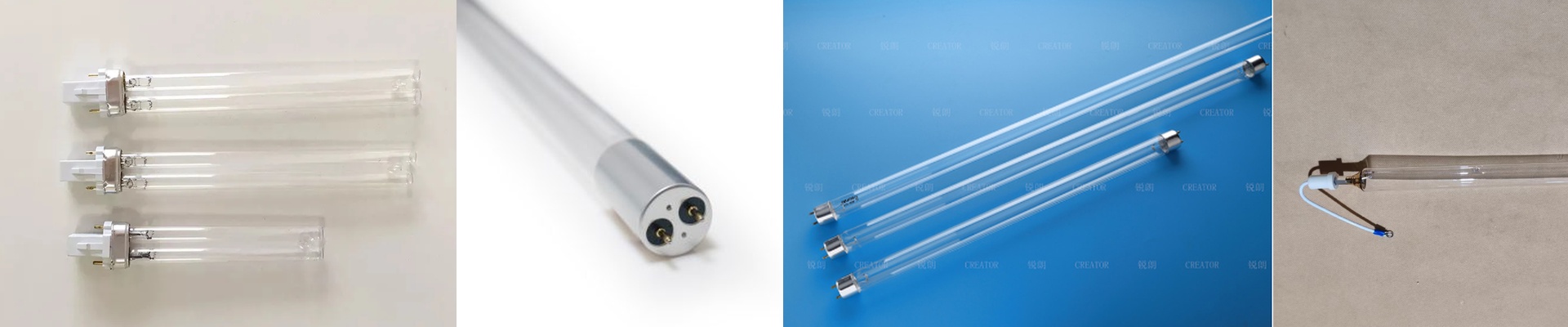
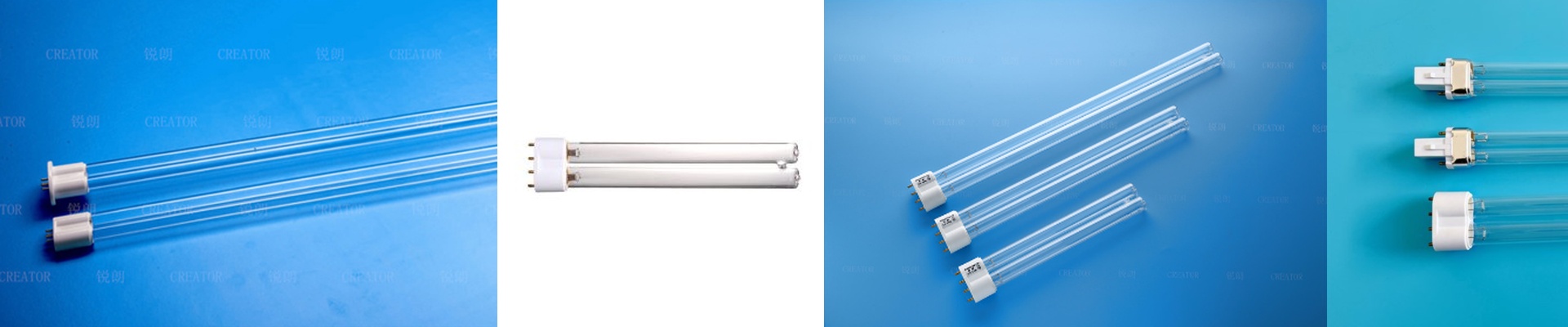
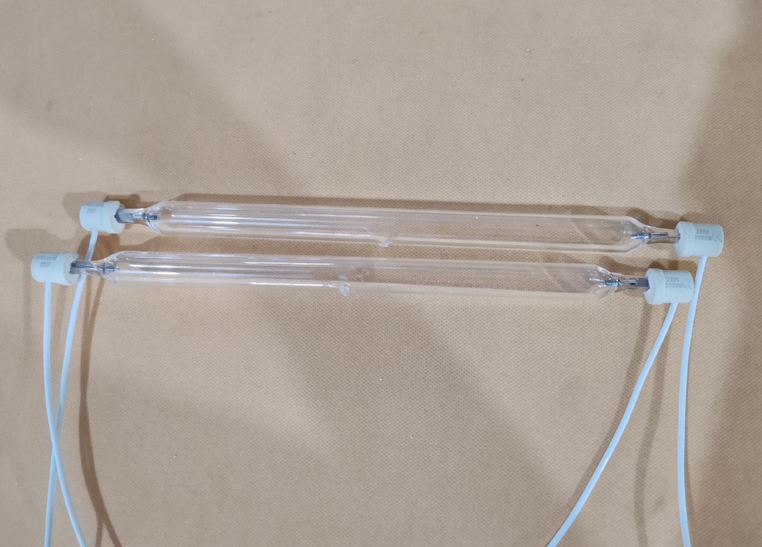
We build our high-demand lamps to handle the grind of 24/7 operation. They aren’t fragile. We make sure the wattage and voltage are spot on so they don’t just burn out when things get intense. Most of our units are “drop-in” replacements. That means the footprint and electrical specs match what you’ve already got in your ballast. No tinkering required. But a word of caution: don’t try to cheat the system. If you crank the wattage too high just to speed up the line, you’ll overheat the reflector. If your cooling fans can’t keep up with that heat, the quartz envelope will crack. And that’s a mess nobody wants to clean up.
Why “standard” is actually better
You’ll hear people talk about supply chains all the time, but for us, it’s just about having the right parts on the shelf. We keep a massive stock of the most common wavelengths and connectors. It means we can ship them out the door fast without messing with the vacuum seal or the gas fill of the tube. By sticking to standardized footprints, you don’t have to deal with the headache of custom-engineered fixtures. You just swap the lamp and get back to work.
Keeping it consistent on the floor
Wiring these into a high-speed line takes a bit of care. You have to watch the electrical load. Our goal is a steady, even output across the whole tube. You don’t want “cold spots” where the cure isn’t hitting right, because that leads to rejected parts. Here’s the thing: UV lamps eventually fade. It’s just physics. The phosphors age, and the intensity drops. To keep your cure depth consistent, you need a replacement schedule you can actually stick to. We’ve got the volume and the shipping speed to make sure you’re never staring at a stopped conveyor belt.