Let’s Talk About Why Your UV Lamps Actually Fail
We spent some time visiting about 3,000 printing plants. We didn’t want to just look at the machines; we wanted to see where things were actually breaking down. What we found was a pattern. Most shops are fighting with curing speeds that jump all over the place, or lamps that burn out way too soon. The problem? Most designs are built for “maximum power” on paper, but they don’t actually match the real-world load of a busy production line. So, we changed our approach. We stopped chasing the highest wattage possible and started focusing onoptimized output density.
The Heat Problem
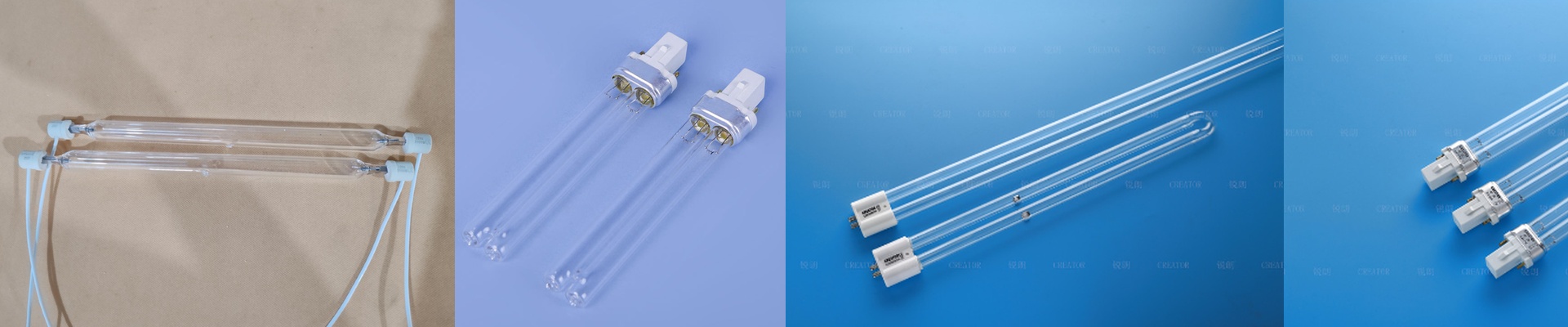
Industrial mercury lamps are a balancing act. You’ve got pressure and temperature fighting inside a quartz tube. Here’s the thing: if you cram too many watts into a short tube, the heat spikes. It’s like redlining an engine for eight hours a day. The electrodes just can’t take it, and they degrade fast. We started spec-ing our lamps to match the actual size of the curing chamber. Now, you get a steady stream of UV-C without accidentally cooking your materials.
The Stuff They’re Made Of
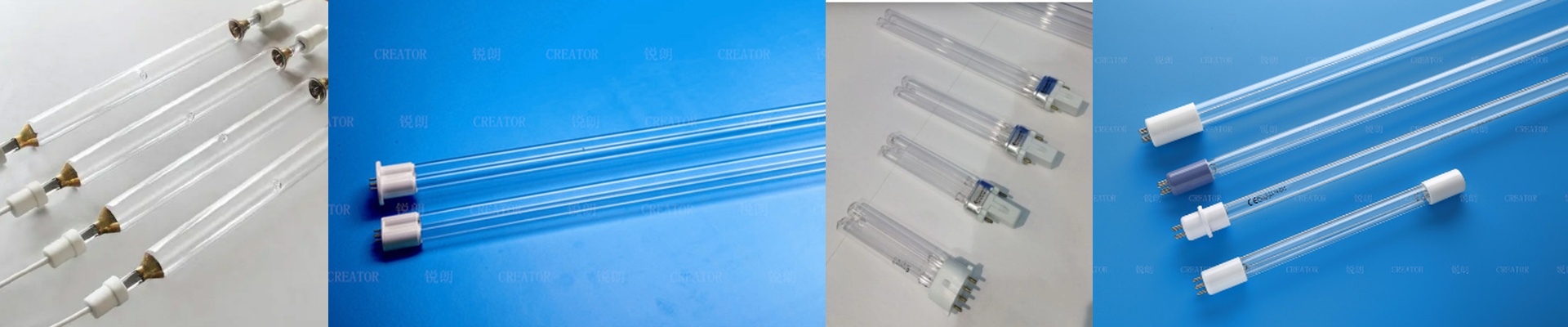
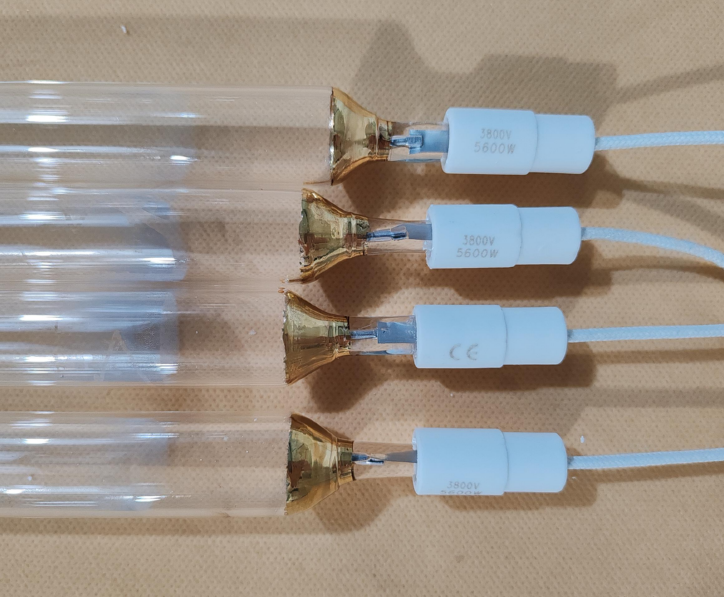
We use high-purity fused quartz. Why? Because standard glass blocks the short-wave radiation you need to actually get that ink to polymerize. We also spent a lot of time on the electrode mix. You know that “blackening” you see at the ends of the tubes? We worked to get rid of that. But a quick heads-up: bigger wattage means faster curing, sure. But it also puts a massive strain on your cooling system. If your chillers can’t keep up with the heat, your lamp life is going to tank. It’s a trade-off you have to watch.
Making it Work on the Shop Floor
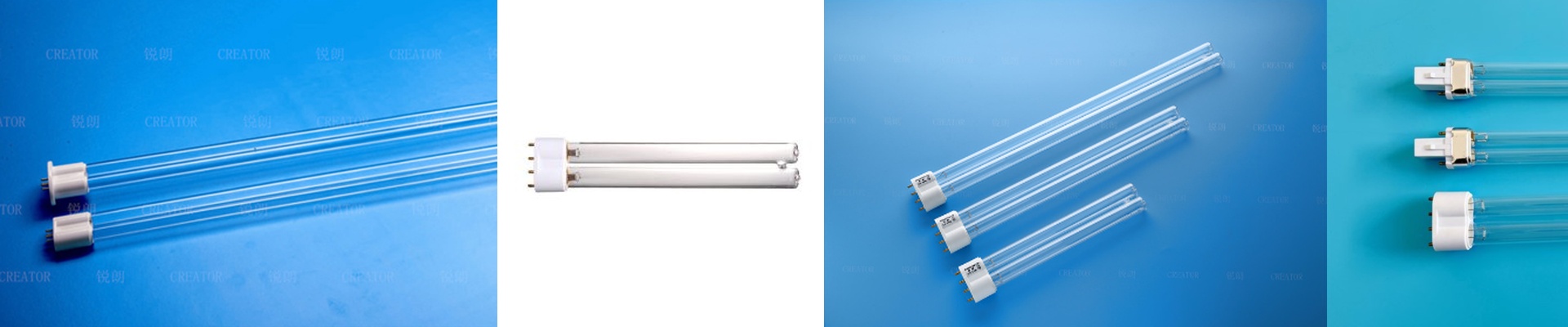
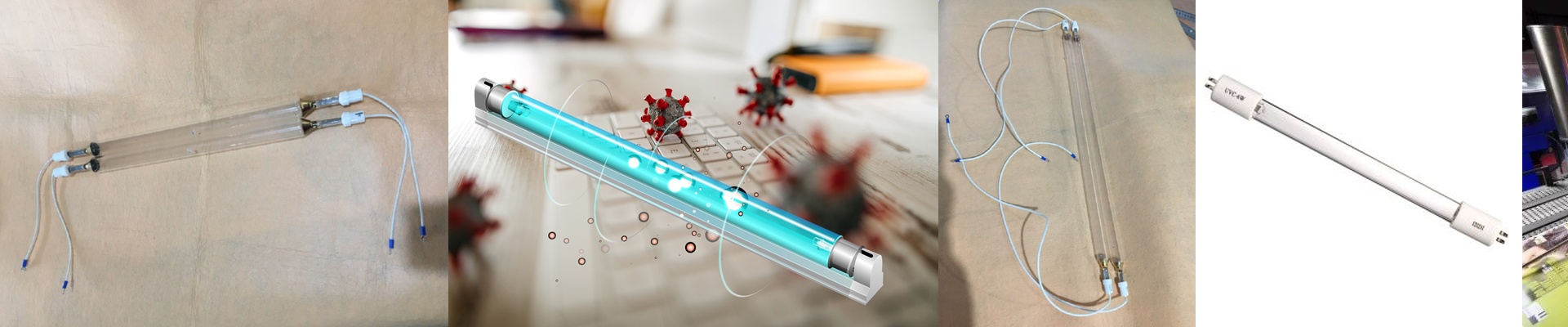
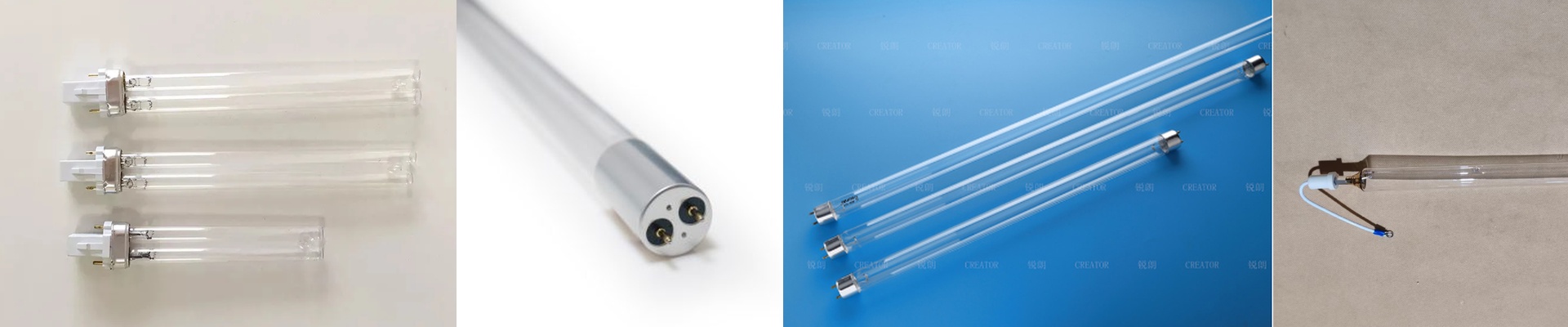
Nobody wants to rewire a whole rack just to swap a bulb. That’s why we made these drop-in replacements. We kept the pin configurations and lengths standard so you don’t have to guess during installation. But the real win is the mechanical fit. The lamp sits dead-center in the reflector. That sounds like a small detail, but it’s huge. If the lamp is off by even 2mm, you get a “cold spot” on your web. That leads to uncured ink, ruined sheets, and a lot of wasted money. It just works. No fuss, no reprints.