Why Most Industrial UV Lamps Fail (And How We Fixed Ours)
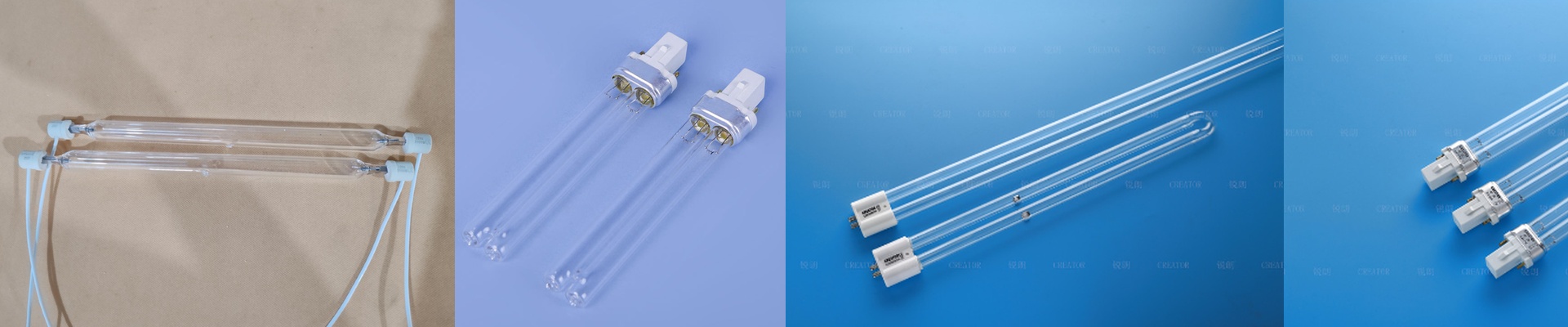
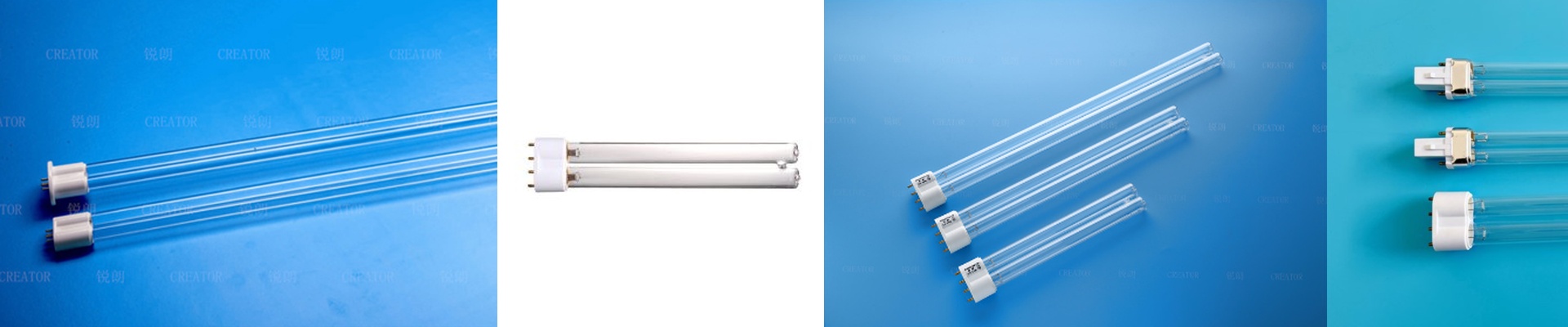
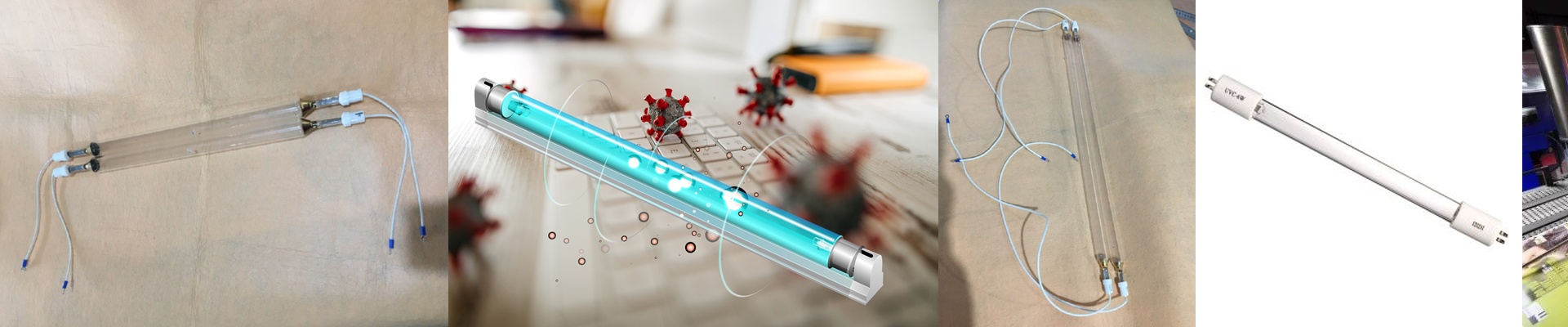
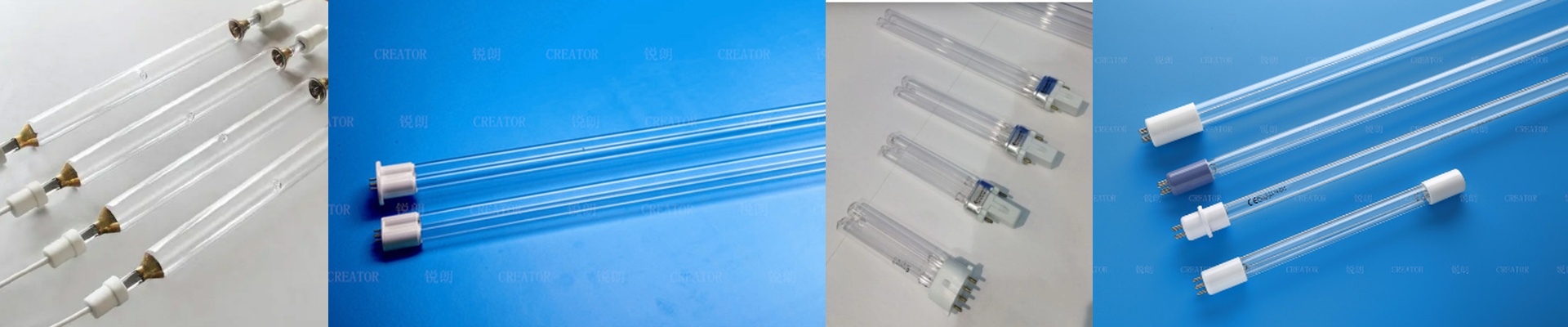
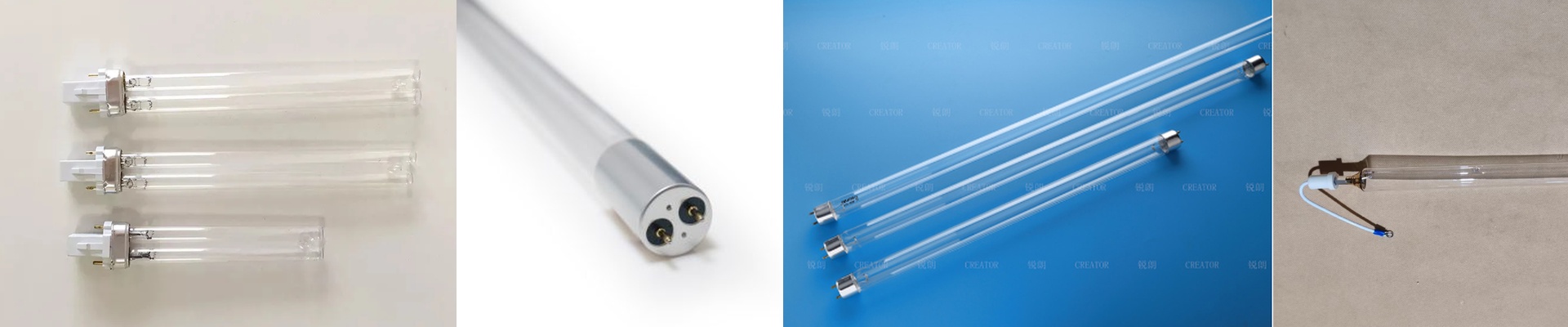
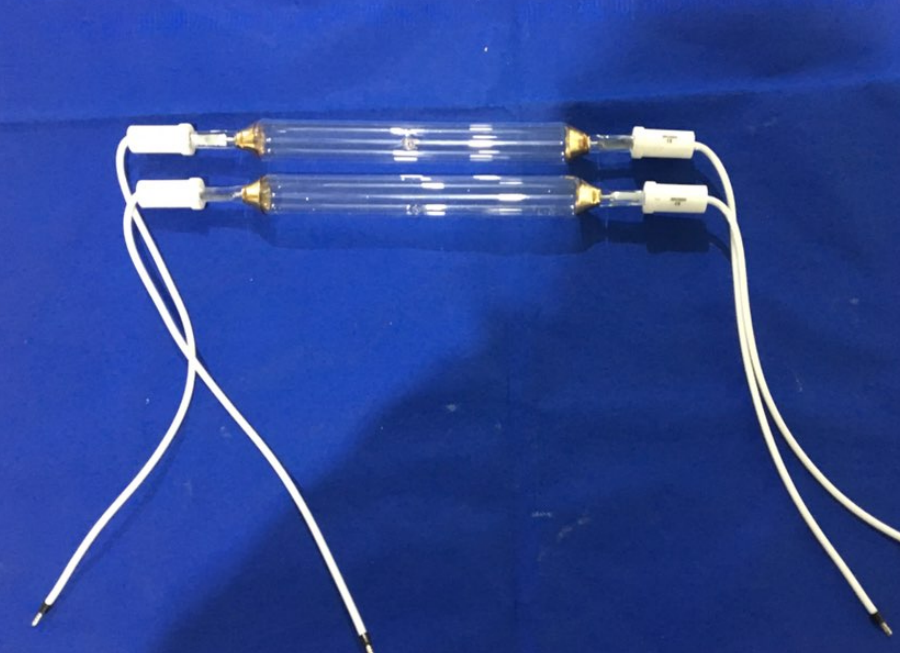
We’ve spent some time on the road. After visiting about 3,000 printing plants, we noticed something frustrating. There is a massive gap between how a UV lamp performs in a clean, quiet lab and how it actually behaves on a loud, greasy shop floor. Most OEM designs just don’t cut it. They aren’t built for the constant shaking and the heat of a production line that never sleeps. We got tired of seeing those failures, so we changed how we build our lamps. The heat struggle Here’s the thing: in industrial printing, you want that ink cured now. To get that instant snap, you need high peak irradiance. But there’s a catch. If you cram too much wattage into a short tube, you create a heat bomb. Sure, the ink cures faster, but you’re putting a ridiculous amount of stress on the quartz envelope. If your cooling blowers aren’t up to the task, those tubes are going to pop way sooner than they should. We spend our time obsessing over the wattage-to-length ratio. We want you to hit your mW/cm² targets without literally cooking your reflector. It’s all in the fit We’re done with generic fittings. They just don’t work when things are moving at high speeds. For our custom projects, we use reinforced end-caps and precision-milled mounts. Why? Because if a lamp shifts by even 2mm, you get “cold spots.” That means uncured ink, ruined substrates, and a lot of wasted money on reprints. It’s a small distance, but it’s the difference between a perfect run and a disaster. Speed vs. Survival Let’s be honest. You can’t have a lamp that runs at max power forever. It’s just not how physics works. If you push a lamp to its absolute limit, you’ll blast through your jobs faster, but you’ll chew through the electrodes. It’s a trade-off. That’s why we give you a tiered spec sheet. If you’ve got a quick, high-pressure run, go with the “high-performance” setting. If you’re in for the long haul and hate changing parts, stick with the “stability” setting. It really just comes down to what you need more: raw speed or a little more peace and quiet between maintenance stops.