Getting the Wavelength Right in UV Systems
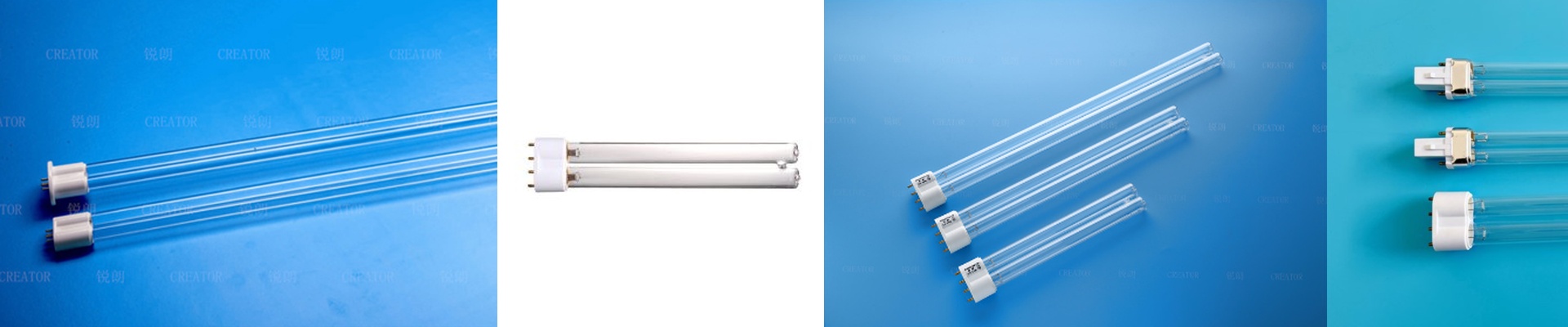
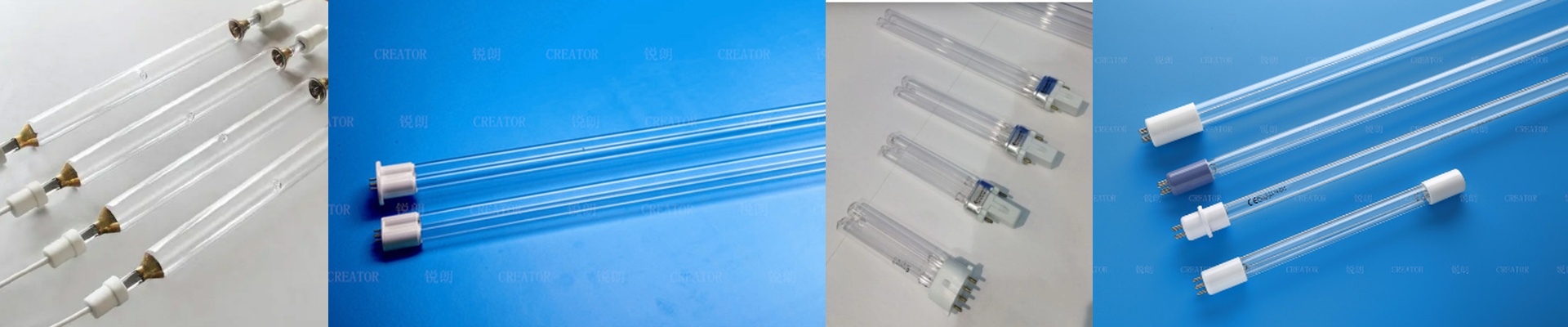
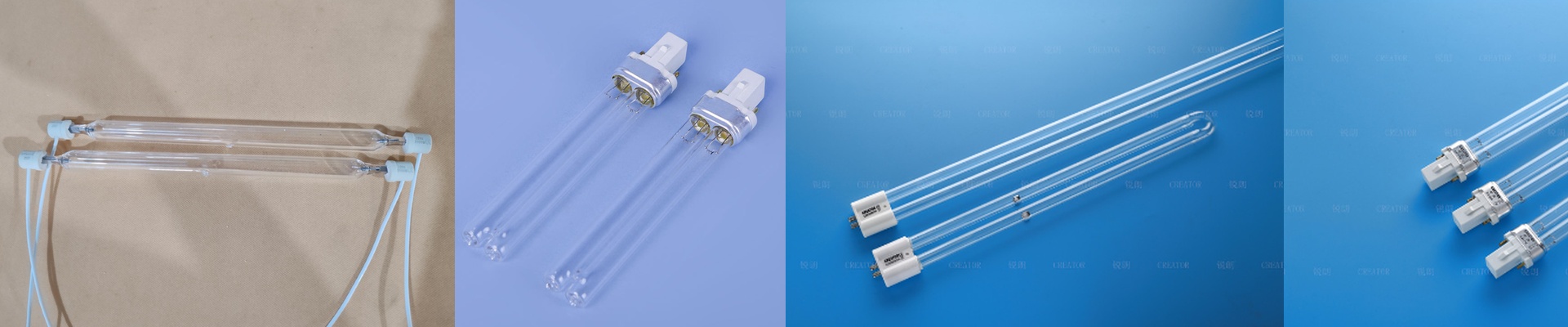
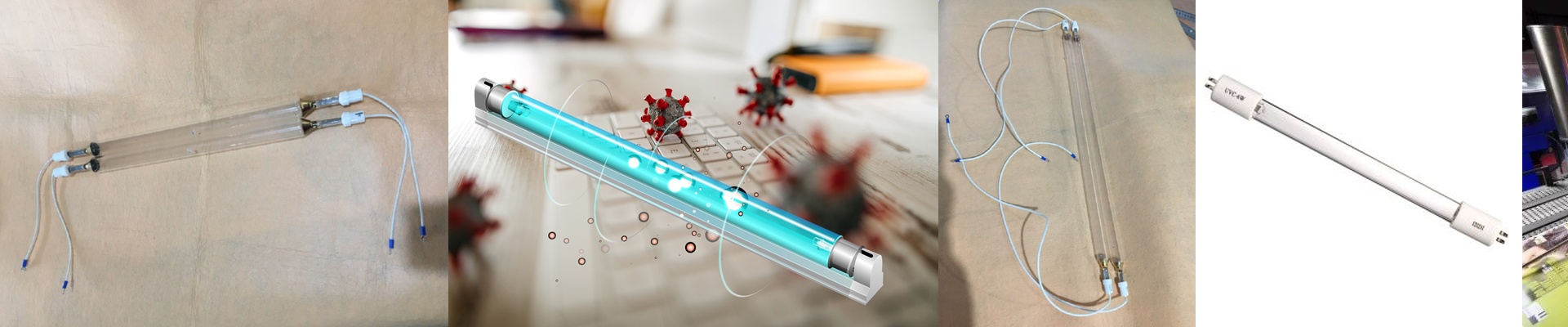
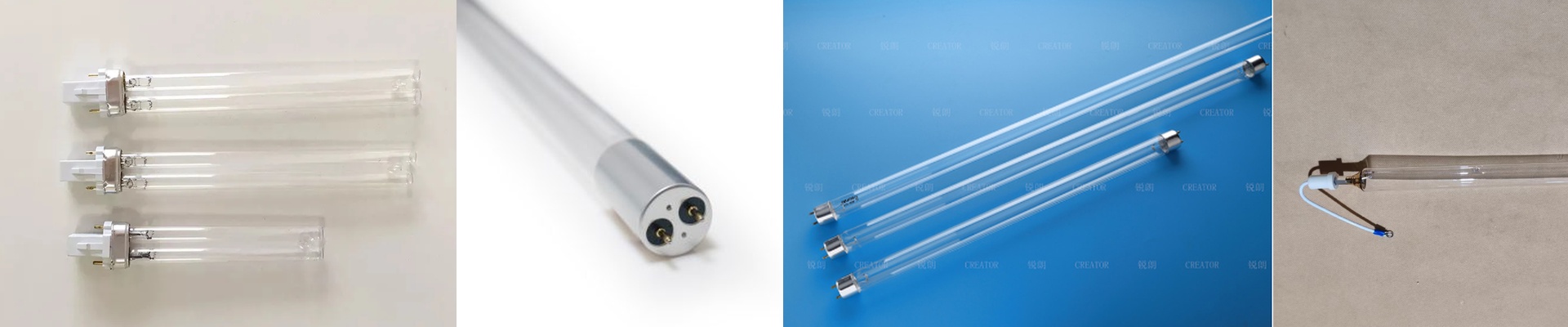
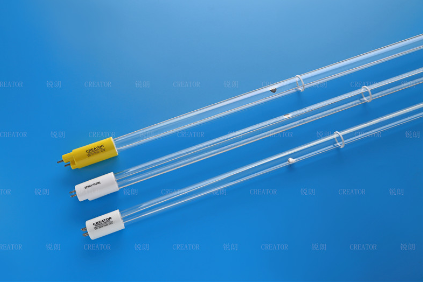
We don’t just put together UV lamps. We’re really in the business of managing photon energy. In our lab, we spend a lot of time obsessing over a tiny gap—the difference between a lamp that just glows and one that actually rips a molecular bond apart. If you’re sterilizing, we aim for that 253.7nm peak. For curing, we shift things over toward the UVA/UVB spectrum to get those photoinitiators moving. Why the wavelength actually matters Think of it as the difference between a flashlight and a laser. The wavelength dictates how deep the light goes and how fast the reaction happens. If your wavelength drifts by just a few nanometers, you’re in trouble. Your curing time might double, or your sterilization rate could just tank. To stop that from happening, we use high-purity synthetic quartz. Regular glass would just soak up the shortwave radiation we need; this stuff lets the UV-C energy fly straight through without the envelope getting in the way. Dealing with the heat High-output lamps get hot. Really hot. We spend a lot of time balancing the power density so you get the irradiance you need without killing the lamp’s lifespan. If you cram too many watts into a small space, you’ll fry the electrodes. It’s a balancing act with your conveyor speed. Sure, you can crank up the power to speed up your production line, but you’ve got to beef up your cooling fans. If you don’t, that quartz is going to crack from the thermal shock. The trade-offs of raw power We build these units to slide right into your existing industrial arrays. It’s a simple swap. But there’s a catch: high energy output creates ozone. When you’re running shortwave UV, you can’t just ignore the air. You need a ventilation system that can actually pull that ozone out of the room. If the airflow is weak, the gas builds up and starts eating away at your machine frames. We provide the raw power, but making sure it doesn’t corrode your shop depends on your air exchange.