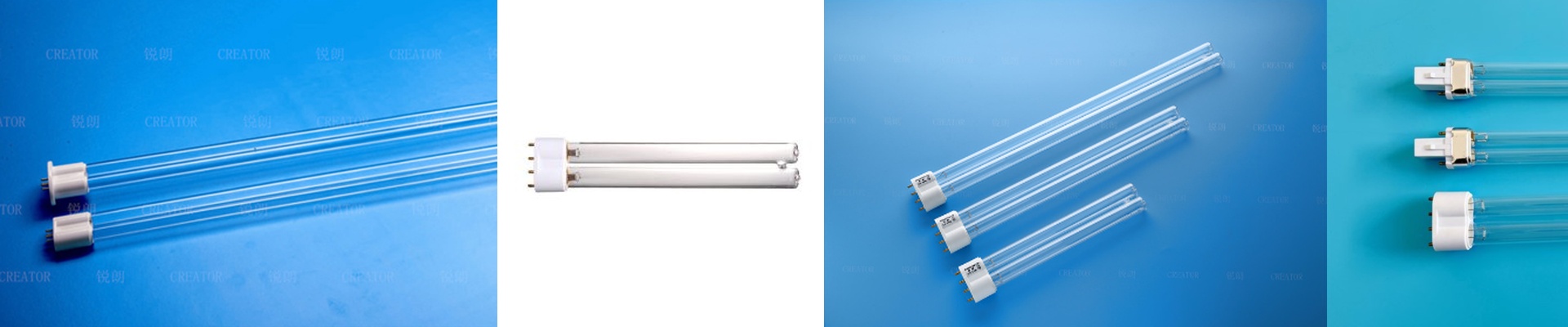
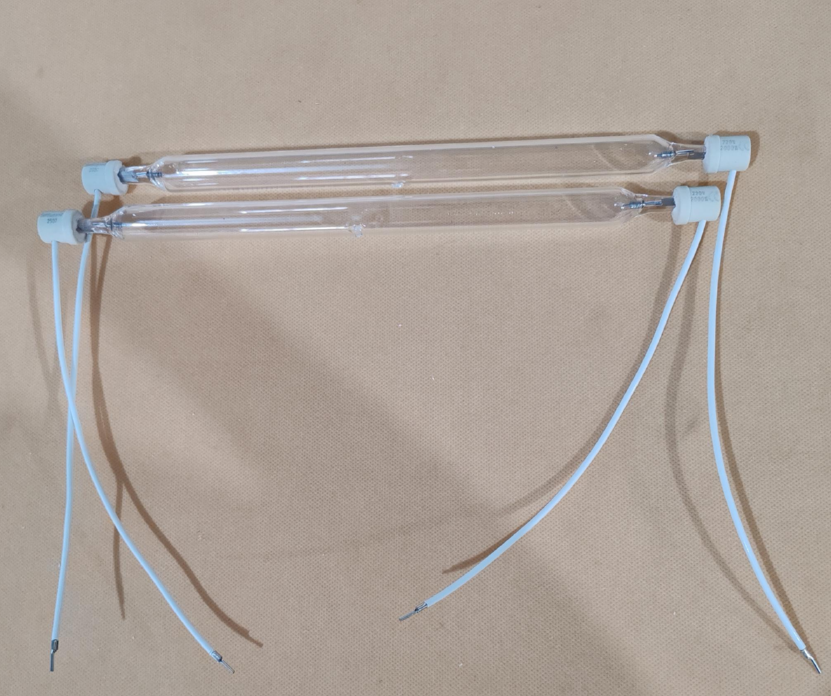
Getting the Light Right: Why 0.5% Actually Matters
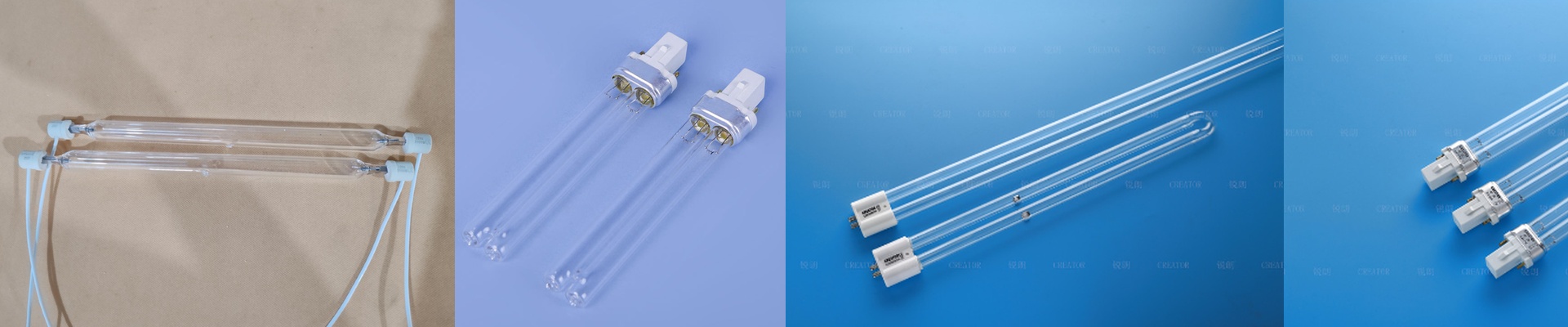
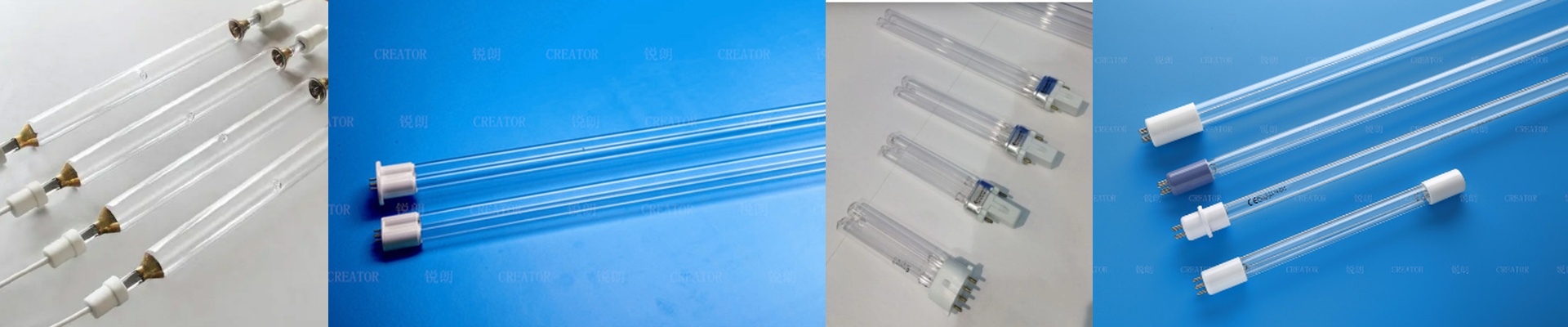
Most UV lamps are a bit messy. They throw energy everywhere, which usually ends up in one of two ways: your product doesn’t cure properly, or you accidentally scorch the surface. We spent our last R&D cycle obsessing over one thing: tightening that spectral energy concentration by 0.5%. Now, that sounds like a tiny number. But in the real world, it means the photons are hitting the exact peak your resin needs to react. No wasted light. No guesswork. The nitty-gritty of how it works To get that level of precision, we had to tear apart the gas mixture and rethink the electrode geometry from the ground up. See, most lamps you buy off the shelf leak energy into wavelengths you don’t even want. We spent a lot of time tuning the arc stability to kill the flicker and stop the spectral drift. The result? The light stays steady from one end of the tube to the other. Instead of turning your energy into useless heat, we’re putting it straight into the chemical bond. A heads-up on the heat Here’s the trade-off. When you concentrate energy like this, the quartz envelope gets hot. Really hot. To keep the glass from cracking or clouding over, we use high-purity fused quartz. It can take the intensity. But if you’re swapping these into your current line, do me a favor:check your cooling blowers. Because the light is more concentrated, the thermal load is higher. You need enough airflow to pull that heat away, or you’re just looking at a shorter lamp life. Putting it to work We built these to be simple drop-in replacements for high-speed coating lines. Whether you’re working with specialty inks or adhesives, the goal is simple: slow down the conveyor without losing productivity. By narrowing that spectral gap, we’ve cut the curing time without needing to crank up the wattage. You get a harder, cleaner cure on the substrate without “cooking” the material. It’s raw physics, built to take a beating in a loud, messy industrial shop.