Stop Thinking of UV Lamps as Just “Curing” Tools
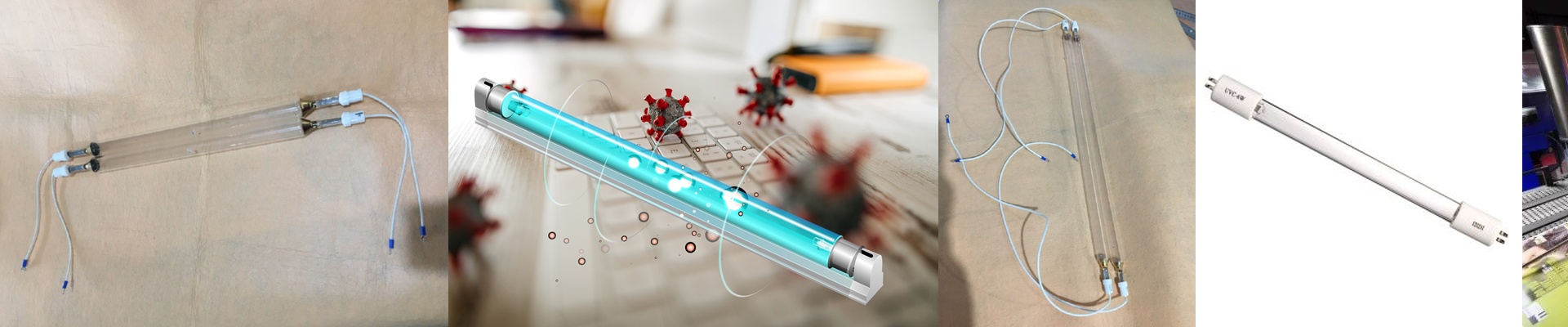
Most people look at a UV lamp and think “curing.” But we see them differently. For us, these are precision tools for killing microbes. Switching from those old mercury-vapor lamps to modern UV sterilization isn’t just a trick to lower your electric bill. It’s about getting the right amount of light—the right photons—exactly where they need to be.
Getting the Power Right
We build these systems to slide right into your current setup without a headache. If you’re running a high-speed line, your voltage and wattage have to match your cycle times perfectly. If the power supply isn’t stable, you get flicker. Worse, you burn out your lamps way too fast. We focus on hitting that 254nm sweet spot. Why? Because we want the energy attacking the DNA of the pathogen, not wasting heat on your conveyor belt.
The Nitty-Gritty Hardware
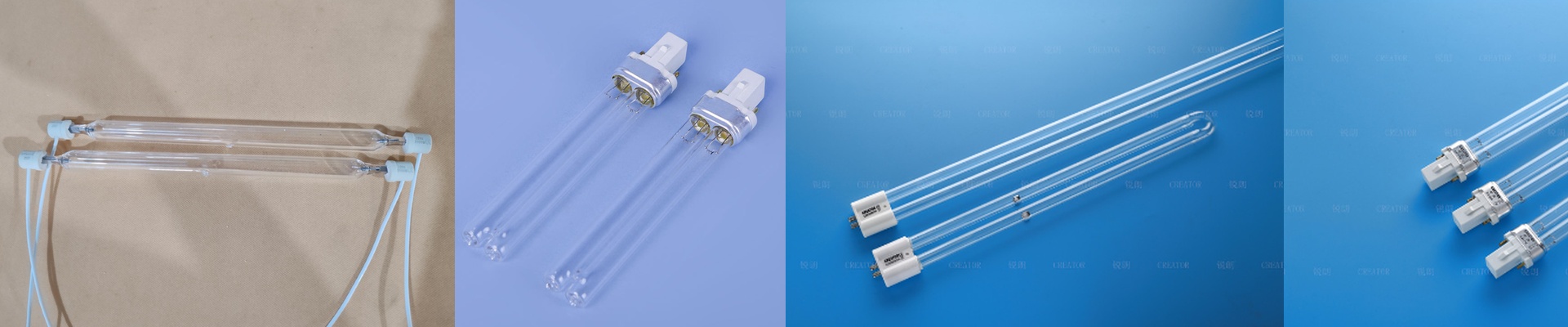
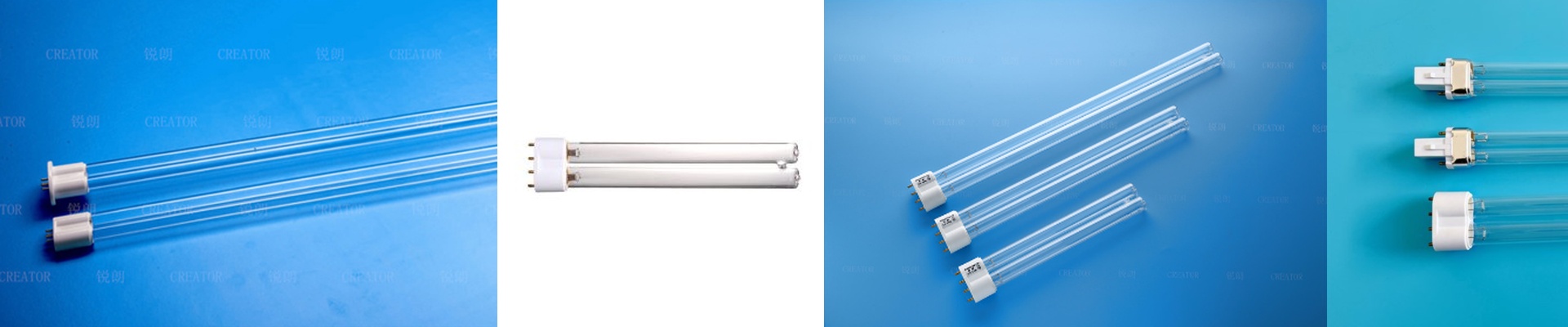
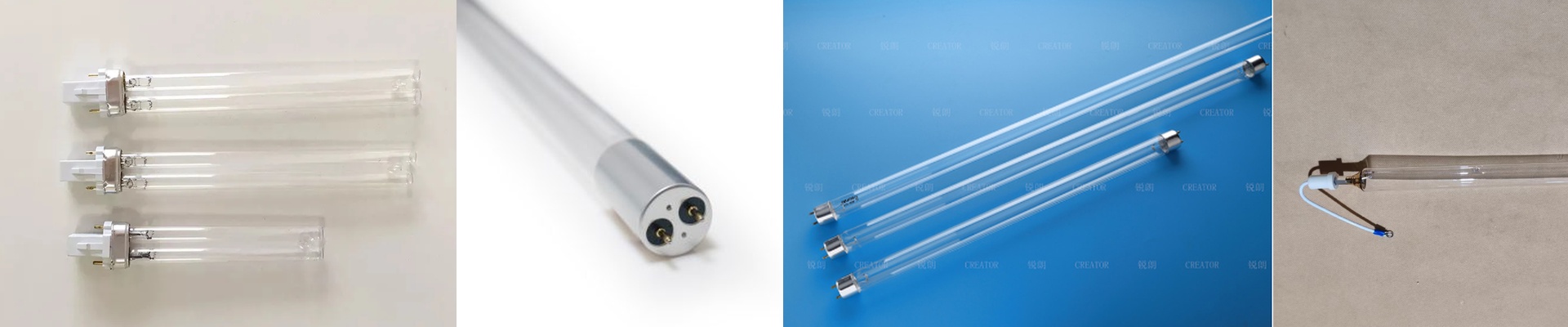
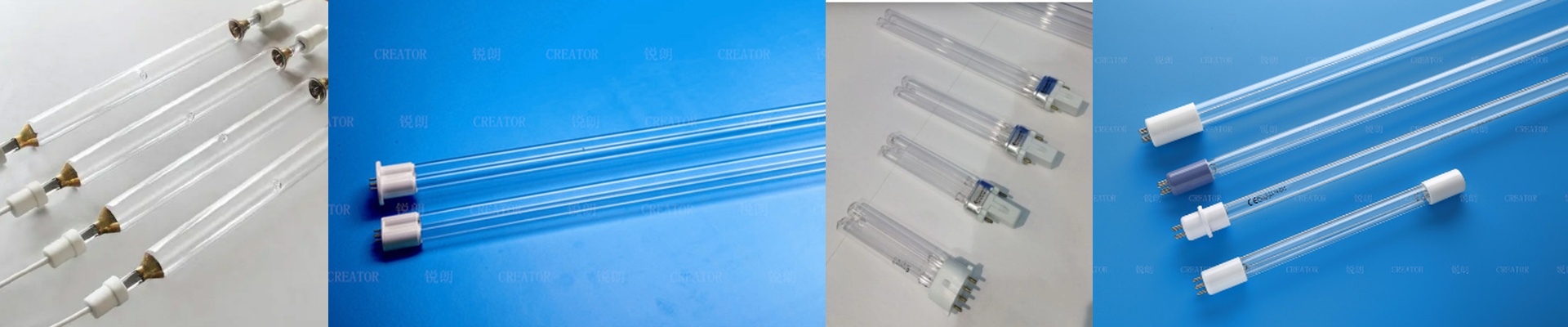
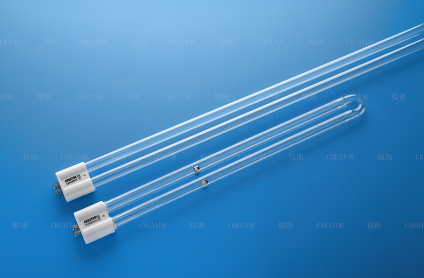
Let’s talk glass. Everyone uses quartz, but not all quartz is created equal. We use high-transmittance fused quartz. If you use the cheap stuff, the glass actually absorbs the UV energy. The lamp runs hot, and your output tanks. It’s a nightmare. And for the connections? We stick to standard industrial pins. I’ve seen too many maintenance teams spend hours rewiring a whole rack just because a connector didn’t fit. We make sure it’s a simple drop-in replacement.
The Trade-offs (The Honest Part)
Here’s the upside: you’ll use fewer chemicals and your sterilization zone gets a lot smaller. Things get cleaned faster. Period. But there’s a catch. High-output UV systems create heat and ozone. Lots of it. If you don’t get your ventilation and cooling sorted, you’re asking for trouble. Without moving air, the heat builds up, kills your lamp life, and can even warp your plastic housings. We build for raw performance, but the environment you put it in is what actually decides how long the gear lasts.