Why we stopped building fixed UV lamps (and what we did instead)
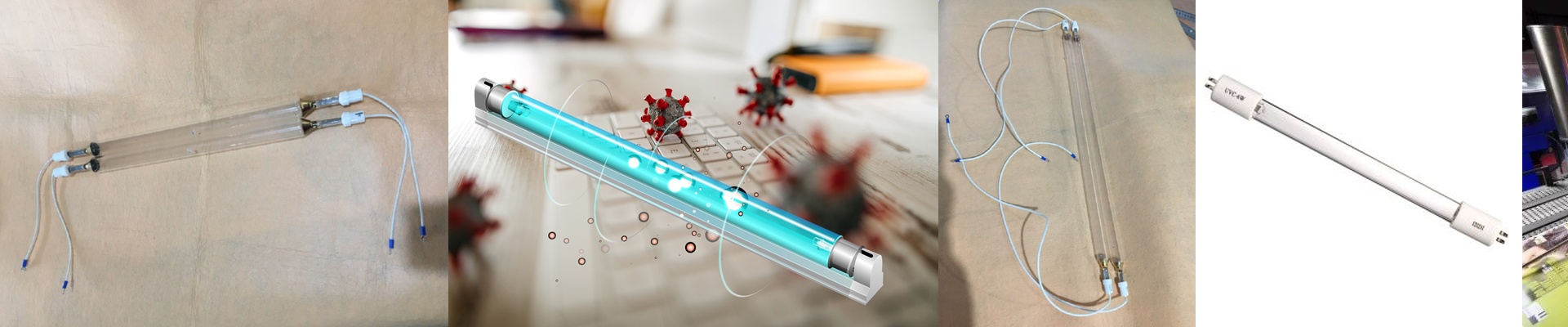
Let’s be honest: trying to fit a standard, fixed-length UV lamp onto a custom printing line is a nightmare. Usually, you end up twisting your entire machine setup just to make a piece of hardware work. We got tired of that. So, we flipped the script and went modular.
Getting the power right
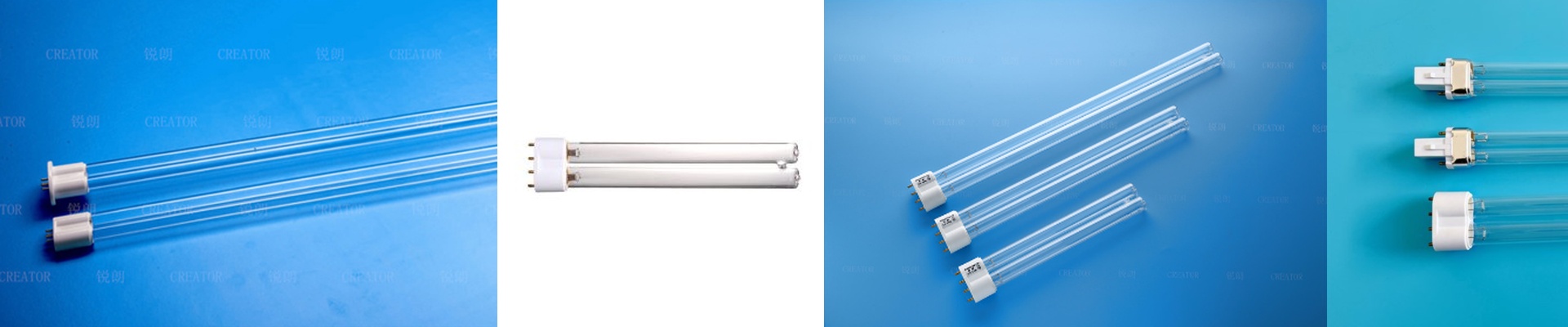
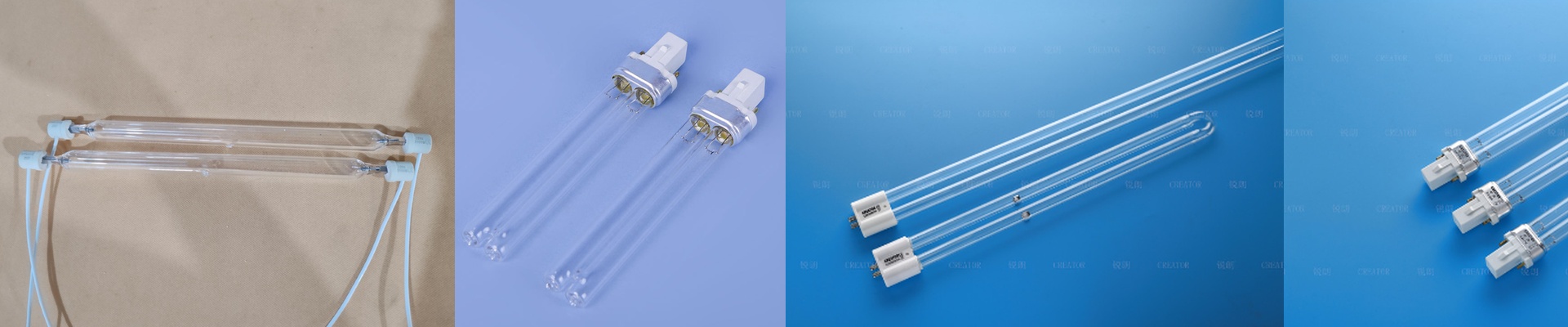
The idea is simple. We created UV modules that lock together. If your web is narrow, you use a few. If it’s wide, you just keep adding them. This means you get a steady, even blast of UV light across the whole surface. No guessing games. We’re talking high-intensity output that snaps inks and coatings into place almost instantly. But here’s the catch: all that power creates a lot of heat. If you’re cranking the wattage to keep your line moving at top speed, things get hot. Really hot. You’ll want to make sure your conveyor cooling can handle that reflected heat, otherwise, you’re looking at warped substrates.
The nuts and bolts
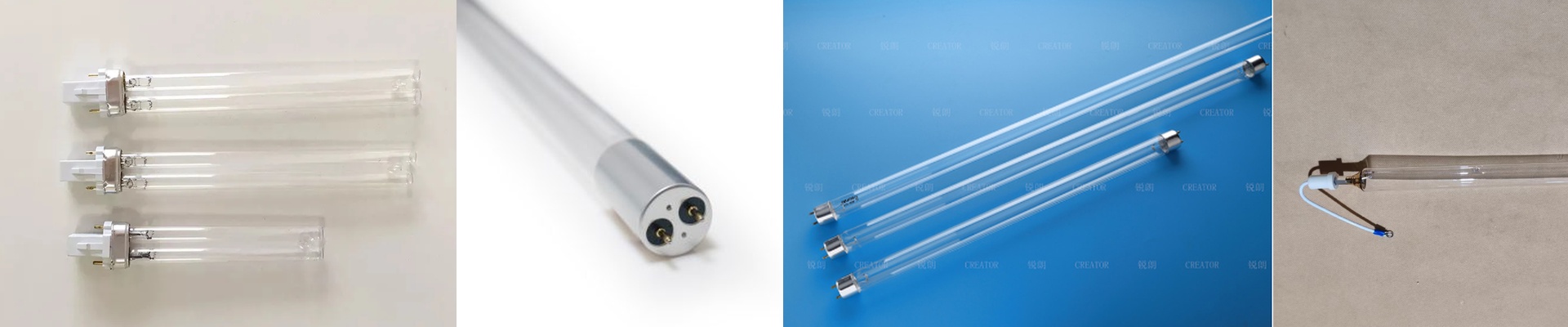
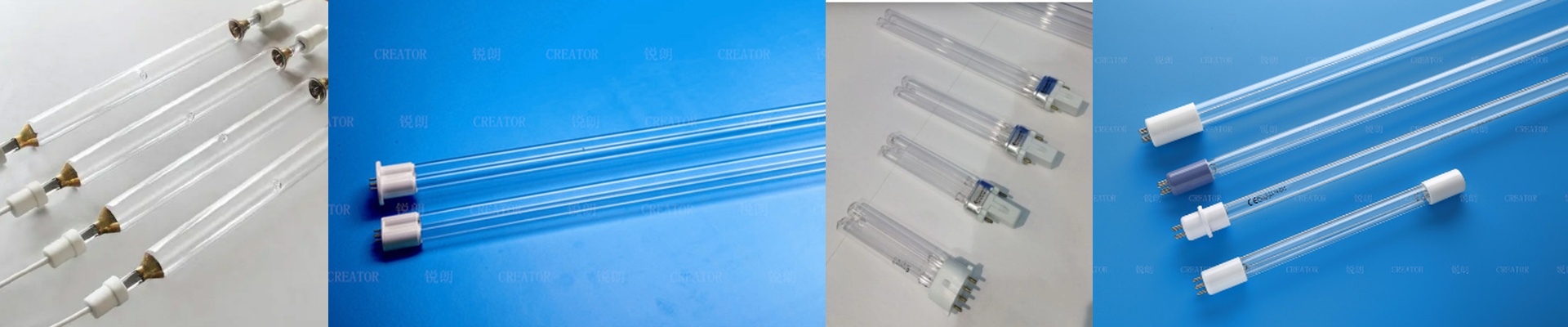
We didn’t cut corners on the materials. We use industrial quartz glass for the envelopes because it lets the UV light through without fighting it. The reflectors are machined to push the beam straight down, so you aren’t wasting energy heating up the ceiling. And the wiring? That was the part we obsessed over. We used standard connectors. If a module burns out in the middle of a shift, you don’t have to spend an hour rewiring a rack. You just pop the old one out and drop a new one in. It takes minutes. Your production keeps moving, and your stress levels stay low.
Making it work on the floor
In a real shop, consistency is the only thing that matters. Those old single-lamp setups always had “cold spots”—those annoying patches where the ink just wouldn’t cure. These modules kill that problem. Plus, if your product width changes next month, you just add or remove a few blocks. Now, there is one trade-off: space. A modular array takes up more room on your floor than one giant lamp. But there’s a silver lining. You don’t have to buy a massive, overpriced power supply “just in case” you have a big job. You only run the modules you actually need for the job at hand. It’s leaner, simpler, and it just works.