Why Most UV Systems Fail (And How We Fixed It)
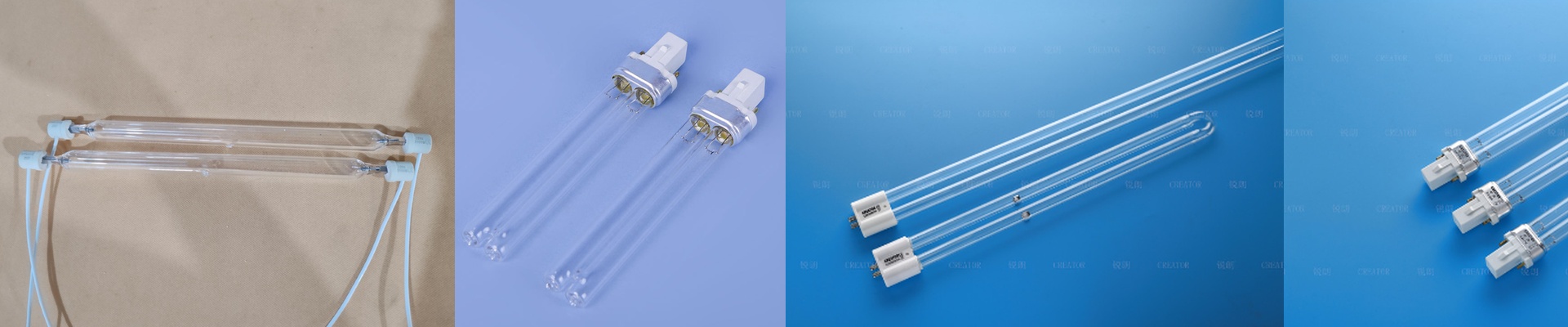
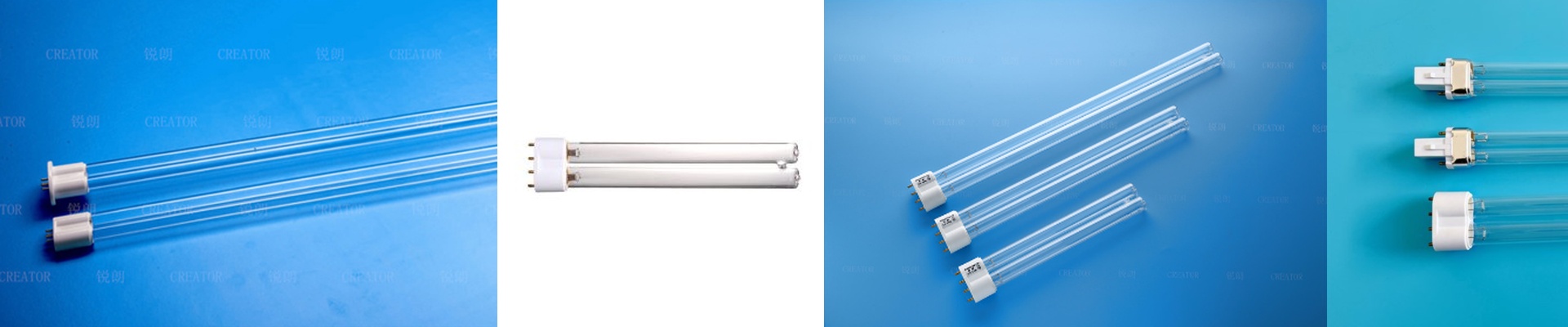
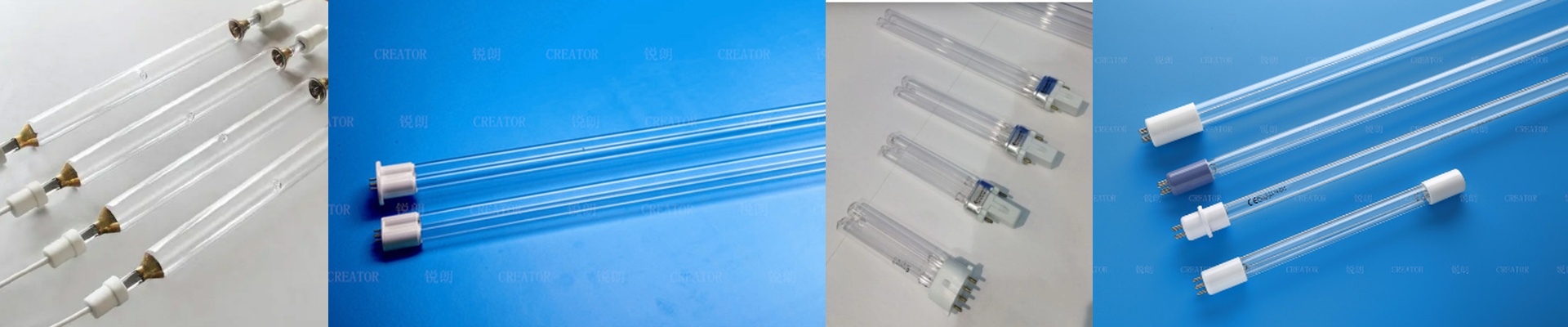
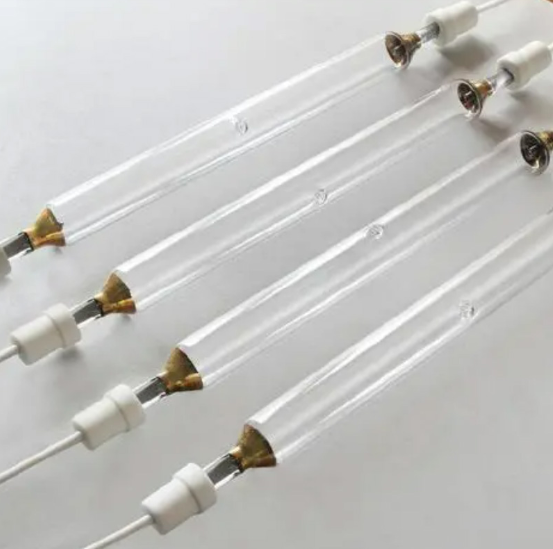
Here is the honest truth: most UV sterilization systems aren’t built to last. Why? Because the person making the lamp isn’t the person making the power supply. When those two parts don’t talk to each other, the whole system glitches. We decided to stop playing that game. We handle everything in-house—from melting the quartz for the tubes to building the final ballasts. No middleman, no random third-party markups, just a system that actually works.
Getting the Physics Right
We lean heavily into the 254nm wavelength because that’s where the real germ-killing happens. But getting there is a bit of a balancing act. If the quartz wall is too thick, you’re basically blocking your own light. Too thin? The lamp pops under the heat. It’s a tight window. We use high-transmittance quartz so the maximum amount of energy actually hits your target instead of getting trapped in the glass.
The Messy Side of Integration
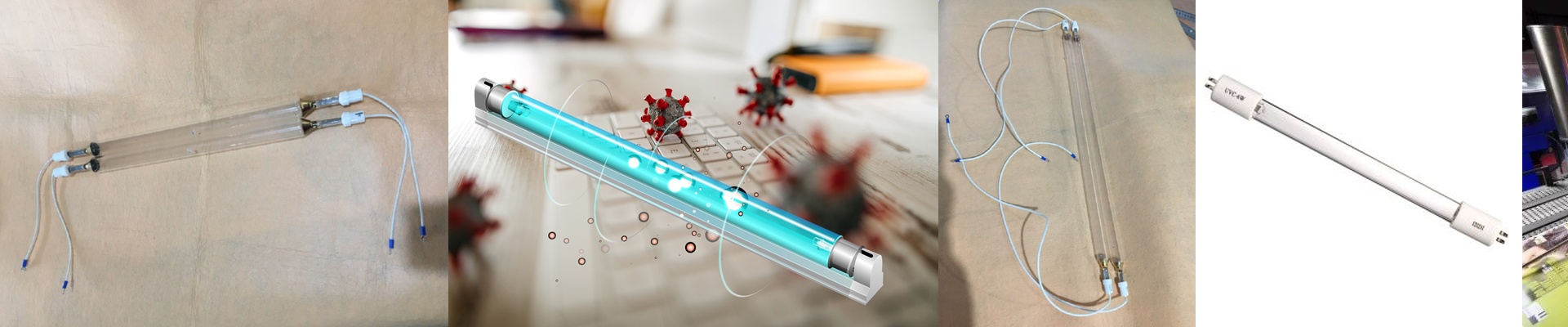
If you’ve ever wired up a large UV array, you know it can be a headache. High-wattage lamps pull a massive amount of current the second they kick on. If you aren’t careful, you’re tripping breakers or frying your filaments. We build our systems to soak up that initial surge without breaking a sweat. One quick tip:**keep your vents clear.**Ballasts get hot. If the air doesn’t move, the heat builds up and eats away at your lamp life. Simple as that.
Real-World Scaling
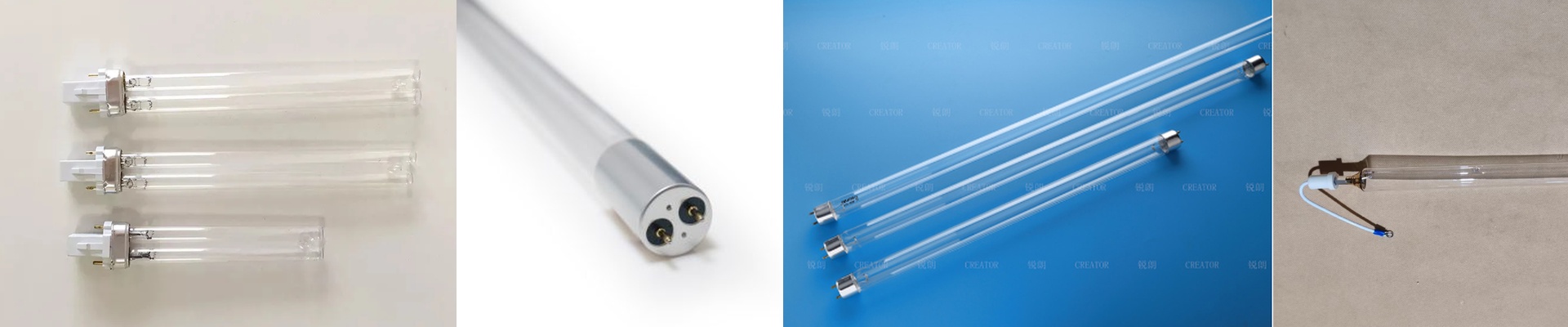
Buying lamps as standalone parts is a recipe for compatibility nightmares. You spend more time troubleshooting than actually sterilizing. Instead, we give you a matched set—the lamp and the driver are designed for each other. It saves space in your control cabinet and just… works. We keep the costs down by sourcing our own raw materials and cutting out the fancy brand-name overhead. You don’t need a glossy brochure or a high price tag; you need a tool that survives the factory floor. We stripped away the fluff so you get the power you need without the nonsense.