Getting the Wavelength Right: The Real Deal on UV Lamp Fabrication
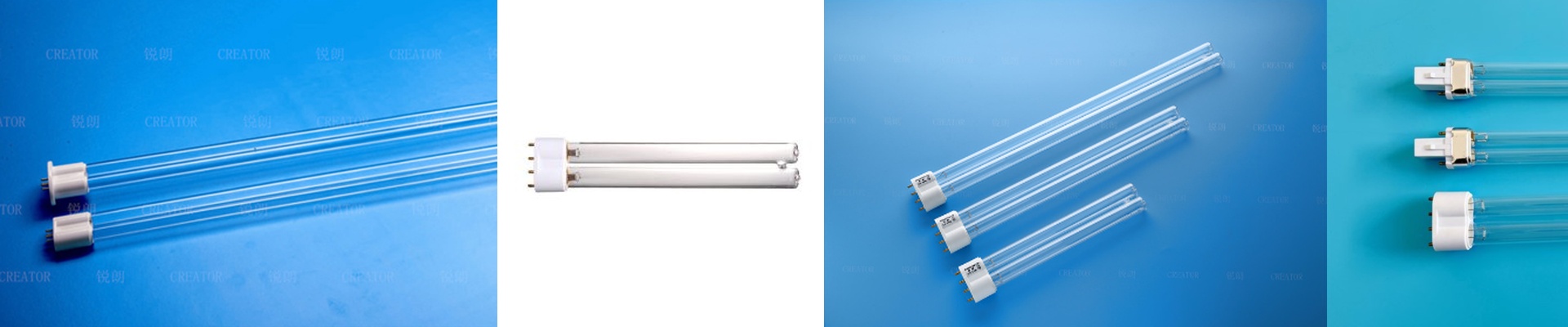
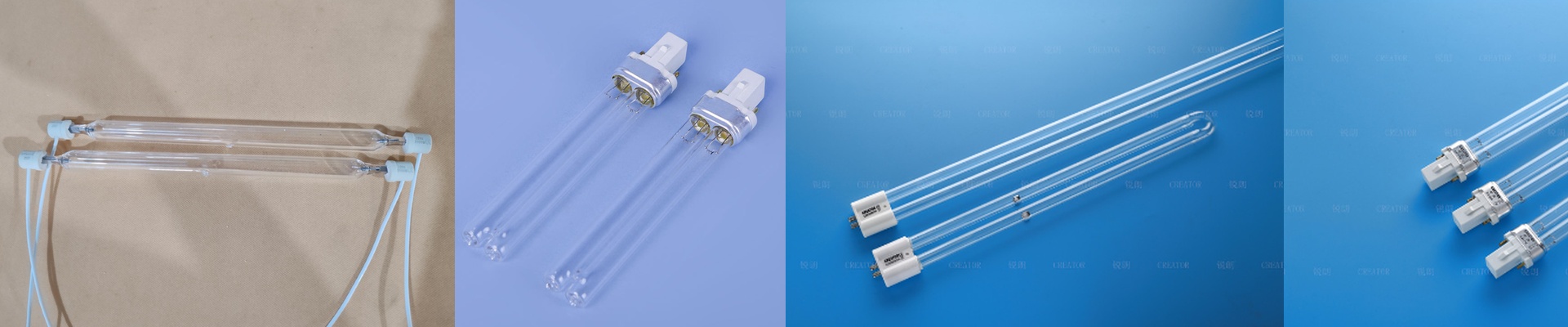
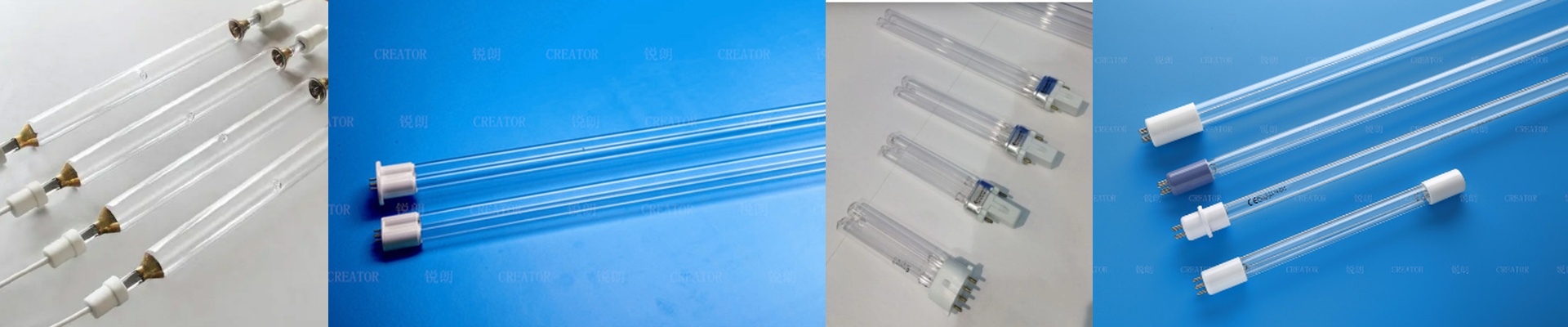
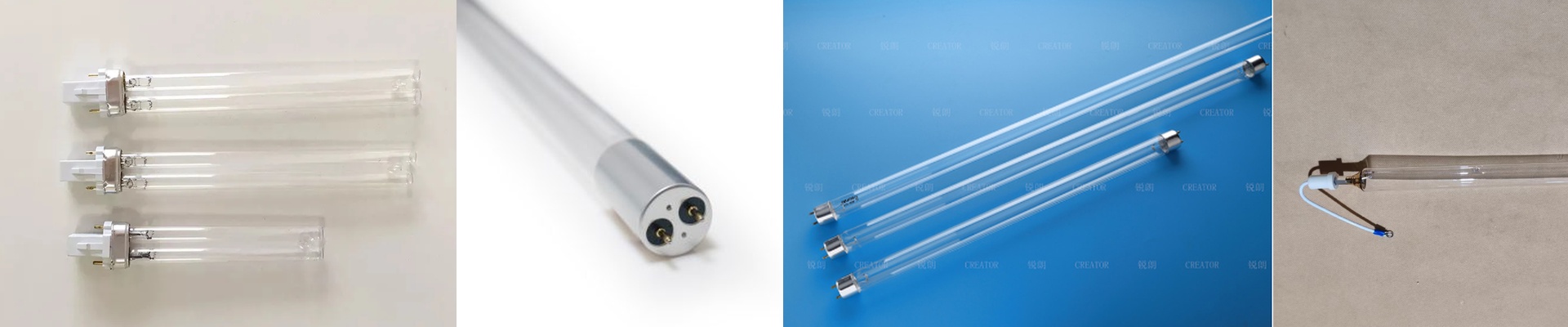
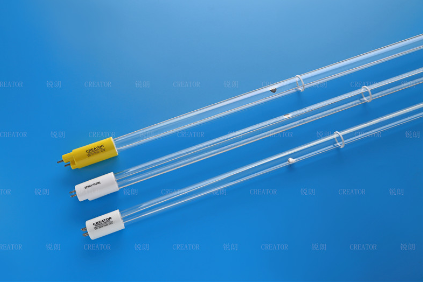
We don’t just “make lamps.” We’re basically managing photons. In our lab, we spend a lot of time obsessing over the tiny gap between a lamp that just glows and one that actually triggers the chemical reaction you need. If you’re using UV for curing or sterilization, a shift of just 10 nanometers can be the difference between a perfect run and throwing an entire batch of product in the trash. The trick to the spectral output To hit that precise peak wavelength, we have to be incredibly picky about the gas mixture and the purity of the quartz. We use high-purity synthetic quartz because standard glass tends to block the shortwave radiation we’re trying to push out. When the quartz is dirty or full of impurities, it absorbs that UV energy and turns it into heat. That’s bad news—it burns out the electrodes way too fast. To make sure we’re on the money, we run everything through a spectrophotometer. We don’t guess; we verify that the energy is hitting your exact target. Dealing with the heat High-intensity UV gets hot. Really hot. We have to balance the wattage against the tube diameter so the glass doesn’t actually soften. Here’s the thing: if you push for higher irradiance, you’re usually trading away some of the lamp’s lifespan. It’s a constant tug-of-war. If you run these things at max power without a cooling shroud or some forced air, those electrodes are going to degrade quickly. That’s why we build our end-caps to handle those brutal thermal cycles without letting the vacuum leak. Making it work in the real world At the end of the day, the best lamp in the world is useless if it doesn’t fit your rig. We offer a bunch of different connector options—custom lengths, specific pin setups—so these are just drop-in replacements. We’re big on secure electrical contacts. A loose fit at the socket creates an arc, and that’ll fry your ballast in a heartbeat. Plus, we test every single batch for spectral stability. We want to make sure your production line stays consistent and doesn’t start drifting halfway through a shift.