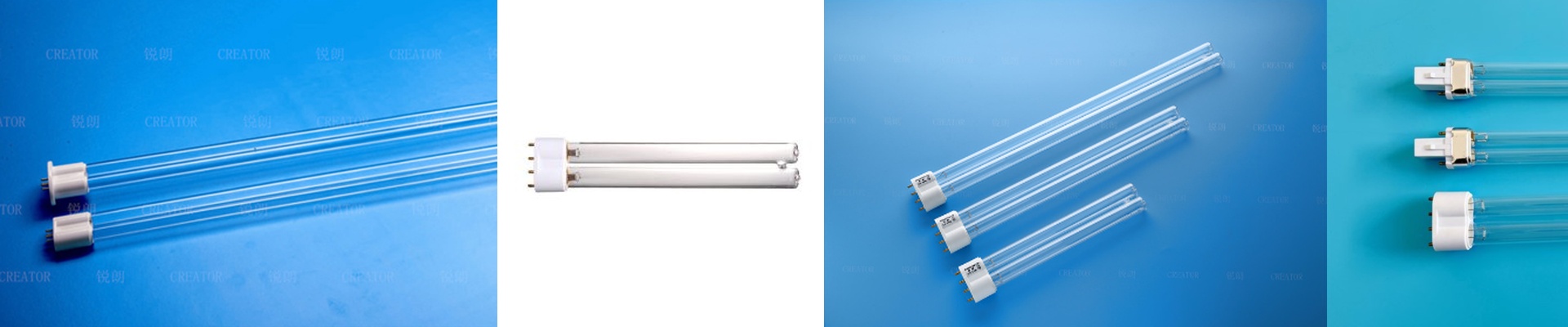
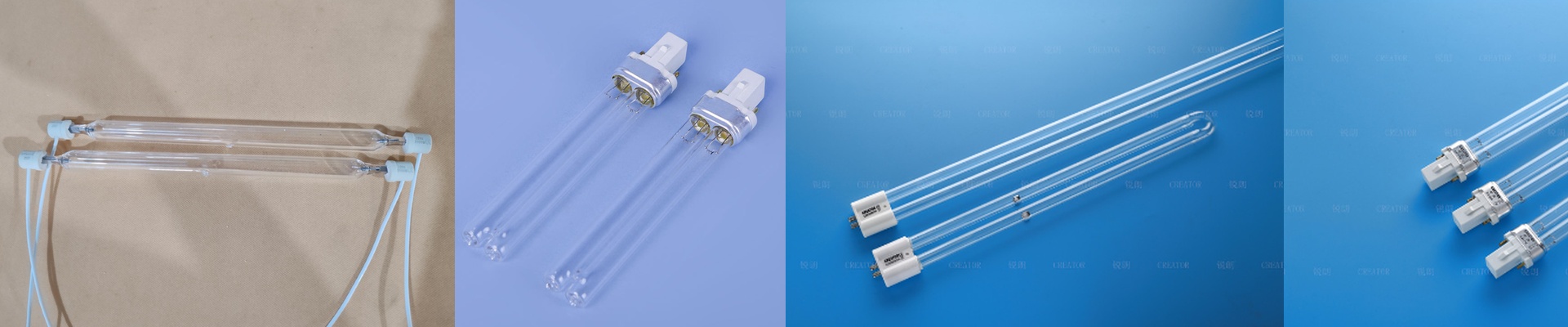
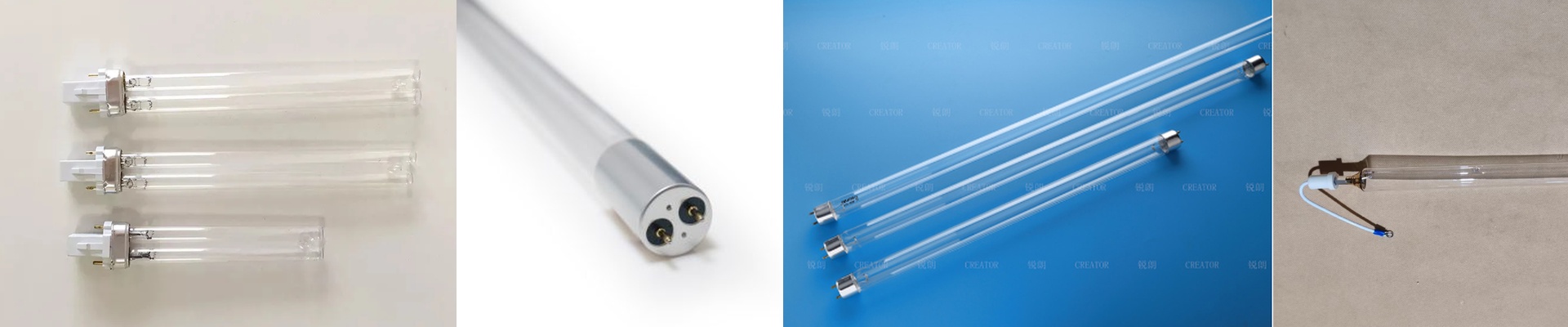
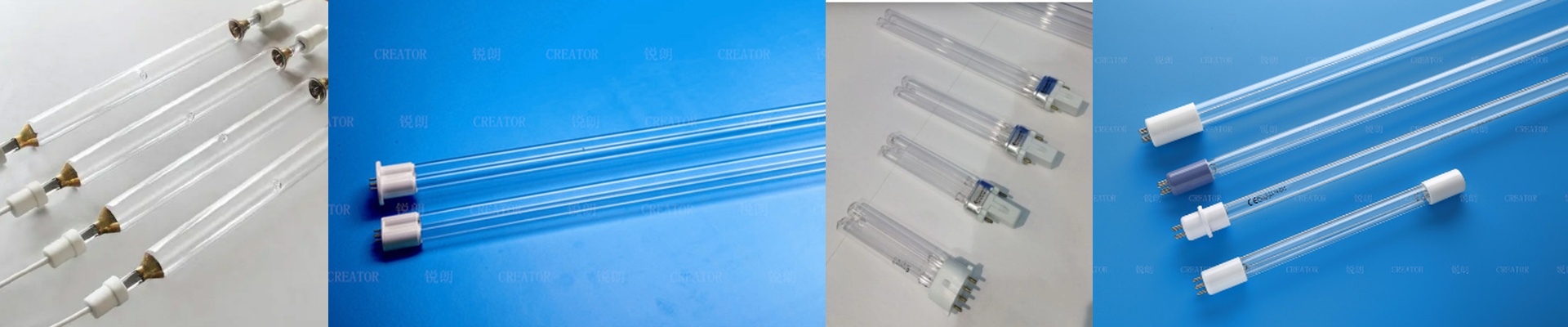
Getting More Bang for Your Buck with UV Lamps
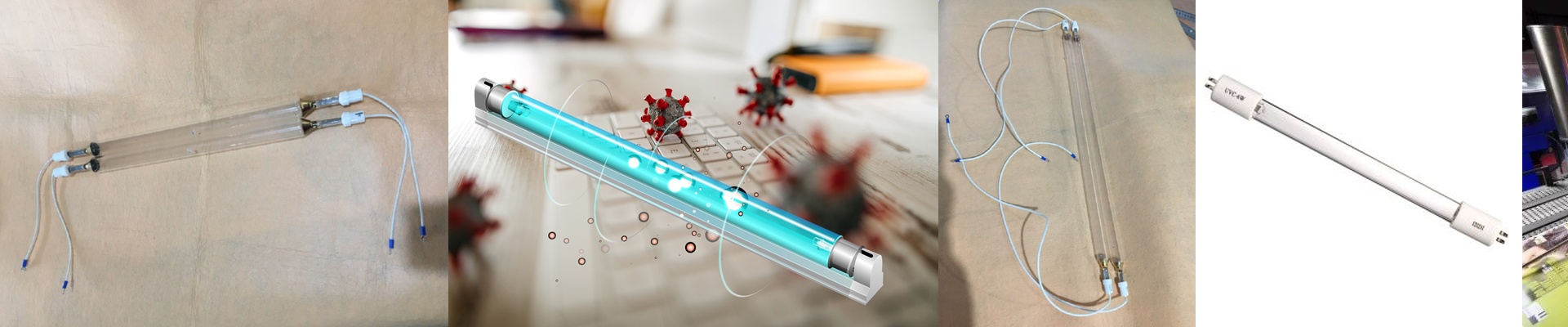
Usually, when you’re shopping for UV germicidal lamps, you’re stuck in a frustrating loop. You either pay a premium for lamps that actually work, or you go cheap and end up with unstable output that doesn’t actually kill the germs. We decided to stop that cycle. We handle everything ourselves—from smelting the quartz to welding the electrodes. Because we own the whole process, we don’t have to deal with middlemen adding their own markups. You get the high-output stuff without the “luxury” price tag.
The Trick to Saving Energy
Here’s the thing: saving energy isn’t about just lowering the wattage. That’s a rookie mistake. It’s actually about how much electricity actually turns into UVC light. We obsess over the gas fill and the phosphor coating so that more power becomes 253.7nm radiation. Why does that matter to you? Because if one lamp does the work of two, you can install fewer of them. Your power bill goes down, and your ventilation system doesn’t have to fight so much extra heat. It’s just a cleaner, cooler setup.
Why Our Costs Are Lower
We don’t buy pre-made blanks from some other factory. We spec our own quartz purity in-house to make sure the UV light actually gets through the glass. This lets us give you wholesale pricing without cutting corners on the materials. Plus, we keep the base designs standard, so these should slide right into most industrial fixtures without any fuss.
A Few Things to Watch Out For
I want to be honest about the trade-offs. High-intensity lamps put more pressure on your ballasts. If you decide to use fewer, more powerful lamps to save space, your ballasts are going to run hotter. Make sure your housing has plenty of airflow, or you might end up with scorched sockets. And keep an eye on your current draw every 1,000 hours. Quartz tubes eventually “solarize”—which is just a fancy way of saying the glass clouds over and the light fades. It happens to every lamp. Just plan your replacement cycle based on how often you run them, and you’ll keep your sterilization levels exactly where they need to be.