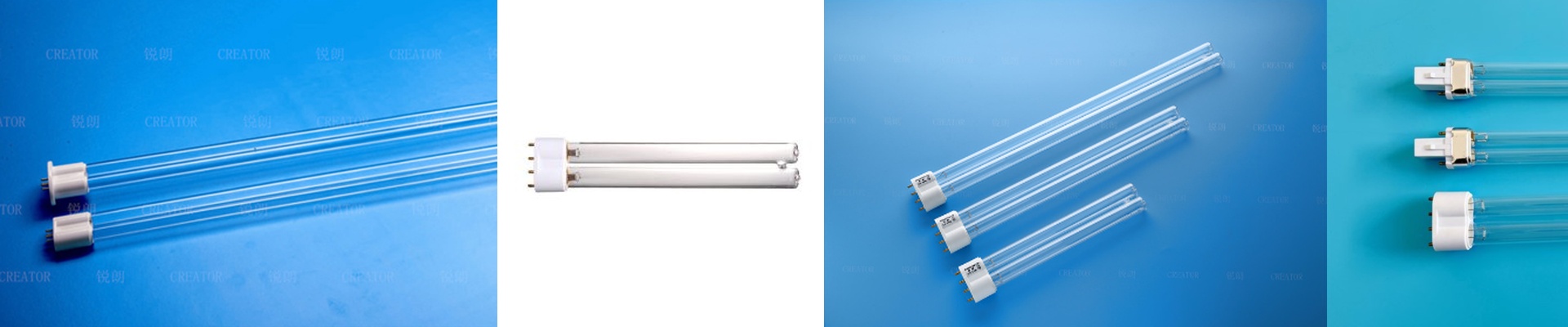
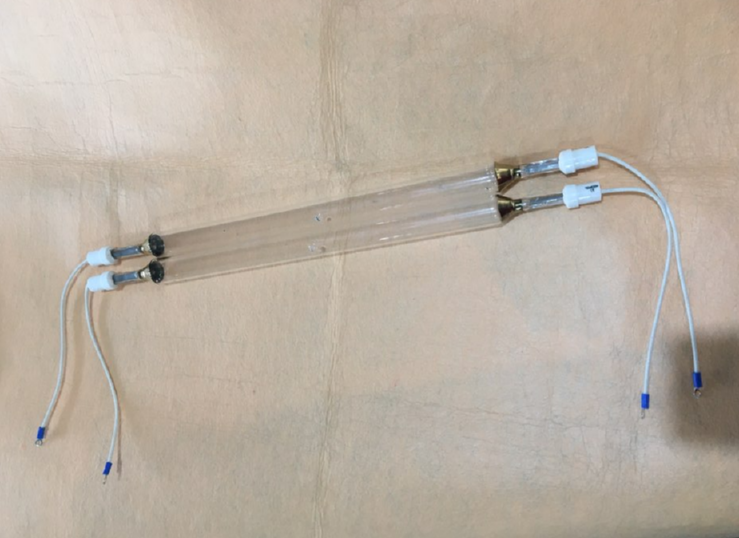
A 254nm UV Lamp That Just Drops Into Your Anatol Flash System
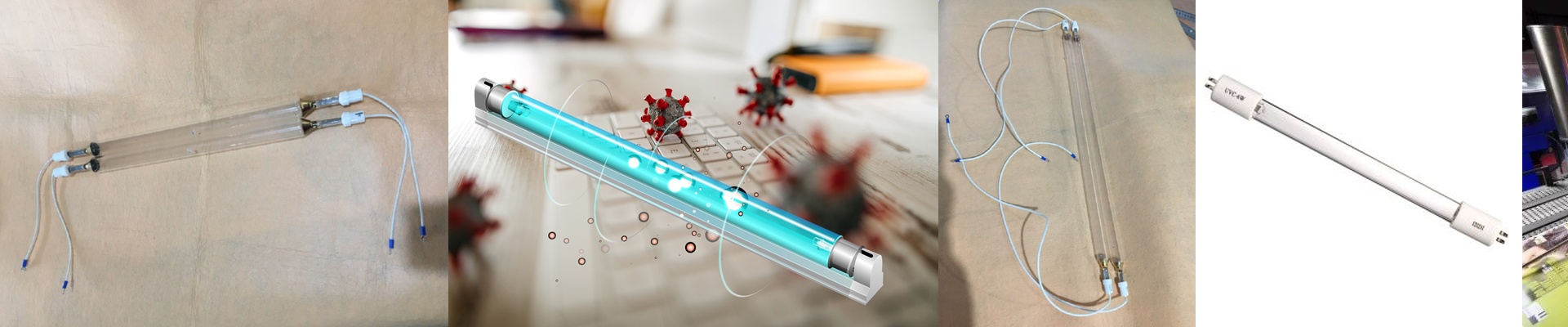
We built this 254nm UV sterilization lamp for one reason: to make your Anatol flash system stronger, without making you rewire the whole machine. It’s a true drop-in upgrade. You keep the same setup. You get better sterilization. No headaches.
Power, voltage, and fit: made to match your Anatol
The lamp runs on 400V, exactly what the Anatol power system expects. That means the current stays inside the original limits, so you don’t have to touch the ballast or the wiring harness. We also matched the tube length to the Anatol chamber, so the beam lands where it needs to—right in the process zone. To hit the UV dose required for reliable microbial kill at 254nm, we spec the lamp at 2500W. That’s serious photon density. But more power means more heat. So one thing to keep in mind: your machine’s cooling and airflow have to be ready for the extra thermal load.
The build: built for 254nm, built for flash cycles
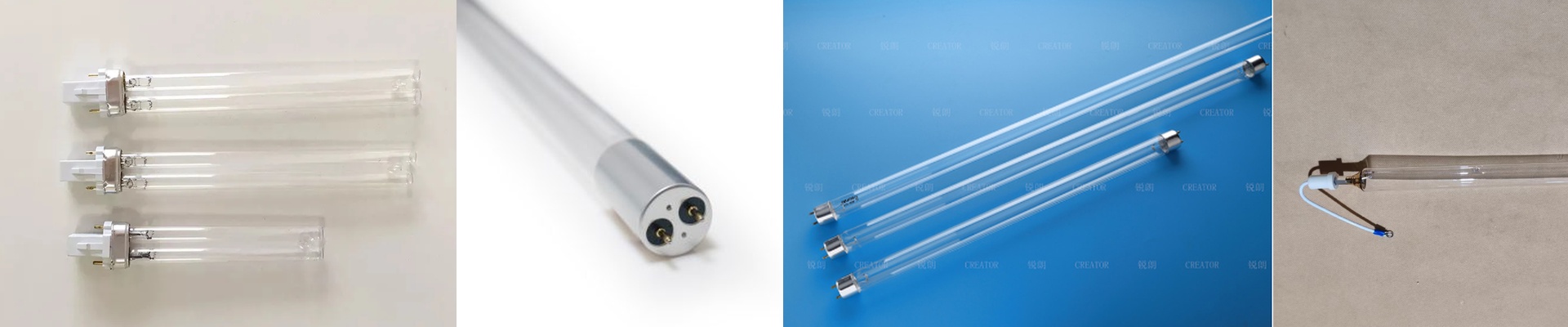
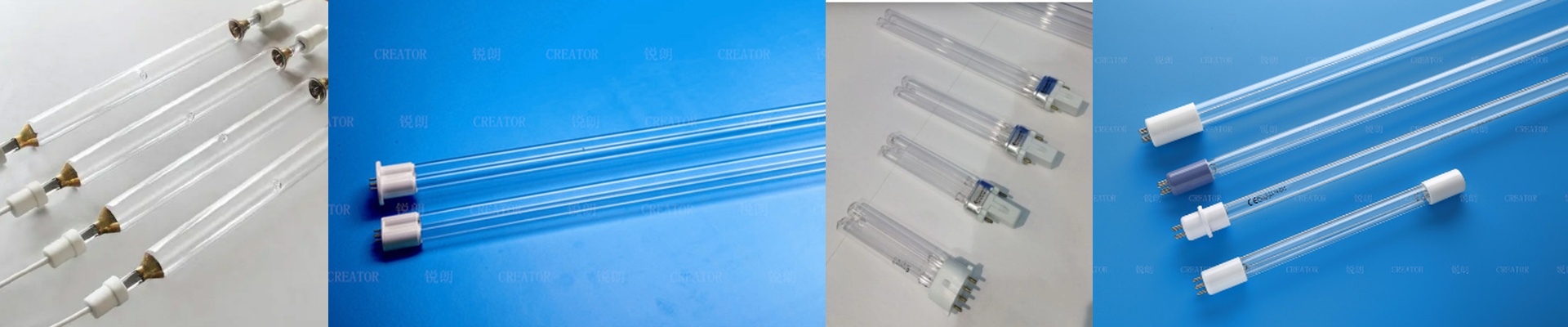
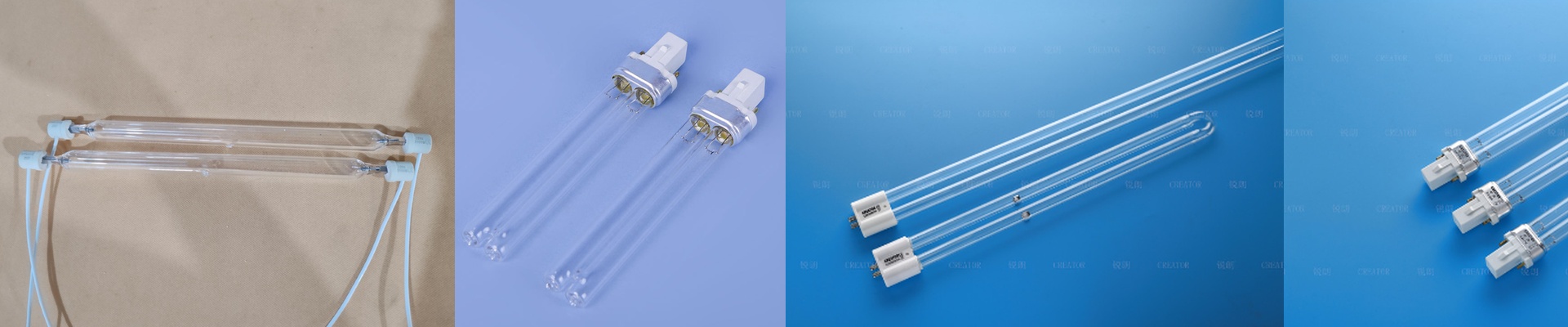
Inside, you’ve got a shortwave quartz sleeve. It’s chosen specifically for strong UV transmission at 254nm, so the germicidal output stays consistent. We added a specialized coating to protect the internal arc tube and keep output stable, even when your flash system pushes the lamp through repeated thermal swings. For the connection, we went with an R7s connector. It matches the Anatol socket, so swapping the lamp is fast. No adapters. No custom brackets. Just plug in and run. The terminals are rated for the 400V load and designed to give you solid, repeatable contact every time.
What this means on the job
In an Anatol flash system, sterilization has to happen fast—during short, intense cycles. The 254nm output delivers the germicidal action you need, while the 400V/2500W profile keeps the electrical footprint exactly where it was. You get an upgrade path that’s spec-precise: same footprint, same connector, same circuit behavior. The trade-off is thermal management. Run it at full power, and make sure the chamber ventilation can keep up. If your cooling is adequate, you get stronger sterilization—without redesigning the system. That’s the whole point of a drop-in upgrade.