Why the CE Mark Actually Matters for Your UV Lamps
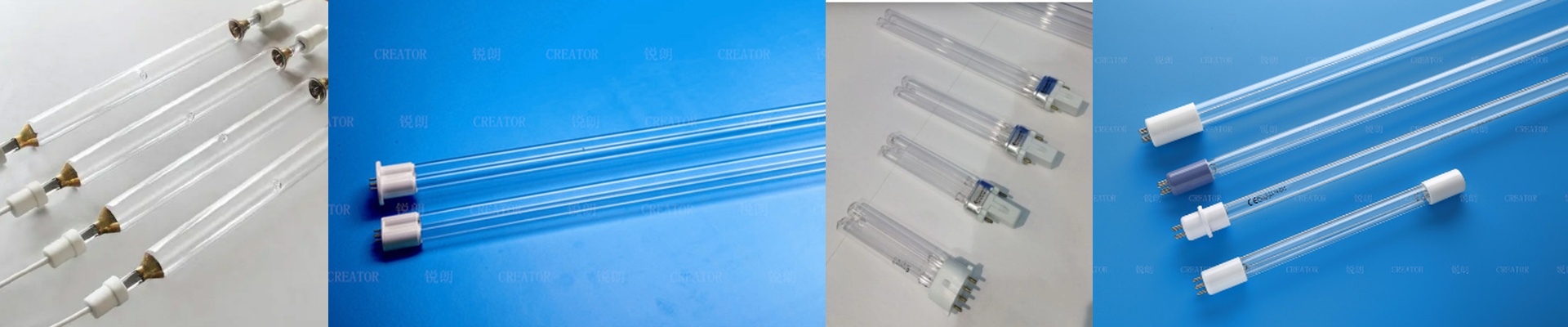
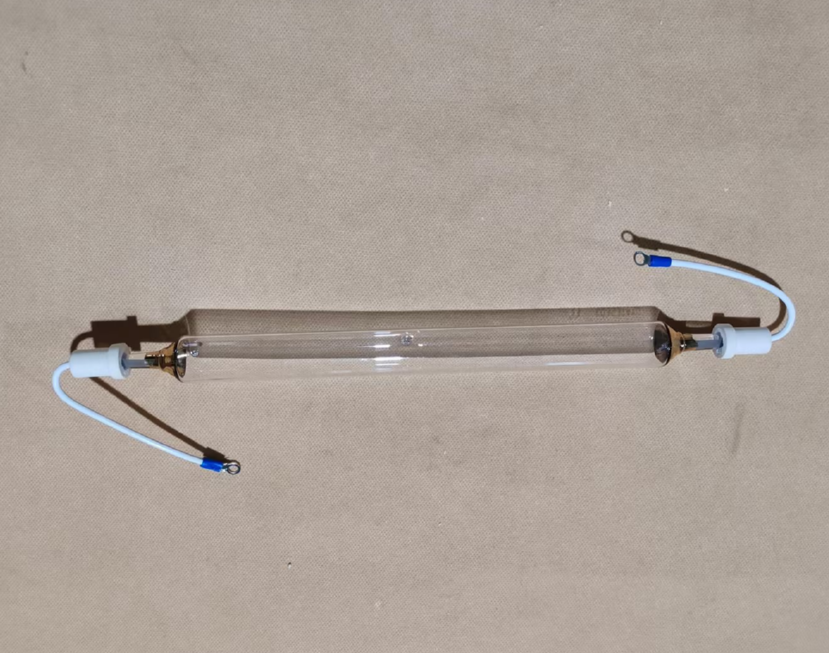
You can’t just slap a datasheet on some industrial UV lamps and hope for the best when shipping them into Europe. In the high-voltage world of UV curing, that’s a recipe for disaster. The CE mark isn’t just a sticker; it’s the only thing standing between a smooth installation and a literal fire on your client’s shop floor. The nitty-gritty of how it works This isn’t about paperwork. It’s about the actual hardware. For us, that means obsessing over the Low Voltage Directive (LVD) and Electromagnetic Compatibility (EMC). Here’s the thing: if our ballasts leak electrical noise back into the factory grid, things get messy. One wrong move with the EMI filtering and your lamp could start messing with the PLC that runs the conveyor belt. Everything stops. That’s a headache nobody wants. Dealing with the heat Our lamps handle an incredible amount of thermal load. Pushing high wattage through a quartz tube creates a massive amount of heat. To get that CE certification, we have to prove the housing and wiring can take the heat without melting into a puddle. That means we use flame-retardant materials and very specific grounding paths. There is a trade-off, though. To hit those EMC standards, we have to add heavy-duty shielding and high-grade capacitors. This makes the ballast a bit bulkier. It’s a little larger, sure. But it means the lamp is a true drop-in replacement that won’t trip the circuit breakers in a high-end German or Italian plant. Cutting out the risk Serious buyers in the EU and US don’t gamble. If a non-certified lamp burns out and starts a fire, the liability lands square on the operator’s shoulders. We handle the hard part at the factory so you don’t have to. We provide the technical file and the declaration of conformity. You get to wire it up and start production without worrying about customs agents seizing your gear or failing a safety audit. Simple as that.