Why “Generic” UV Lamps Are a Huge Gamble for Your Business
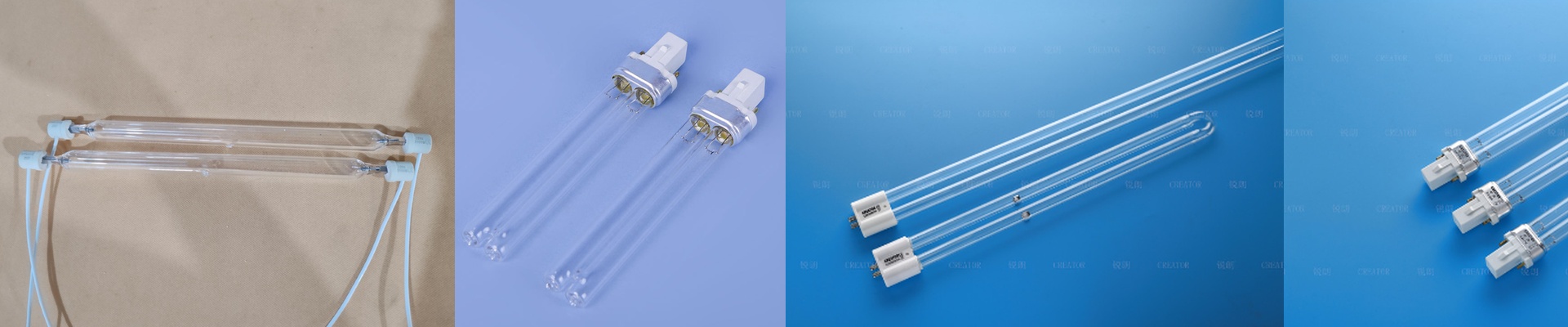
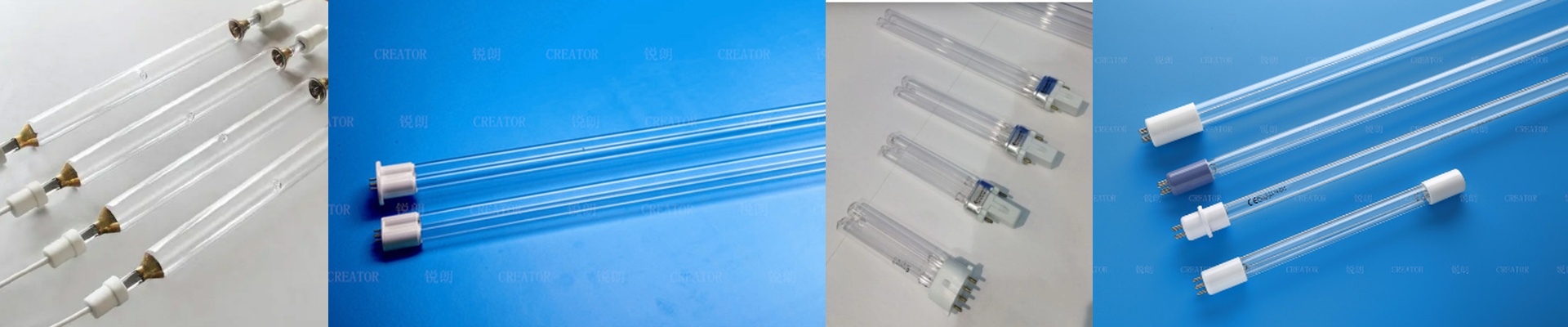
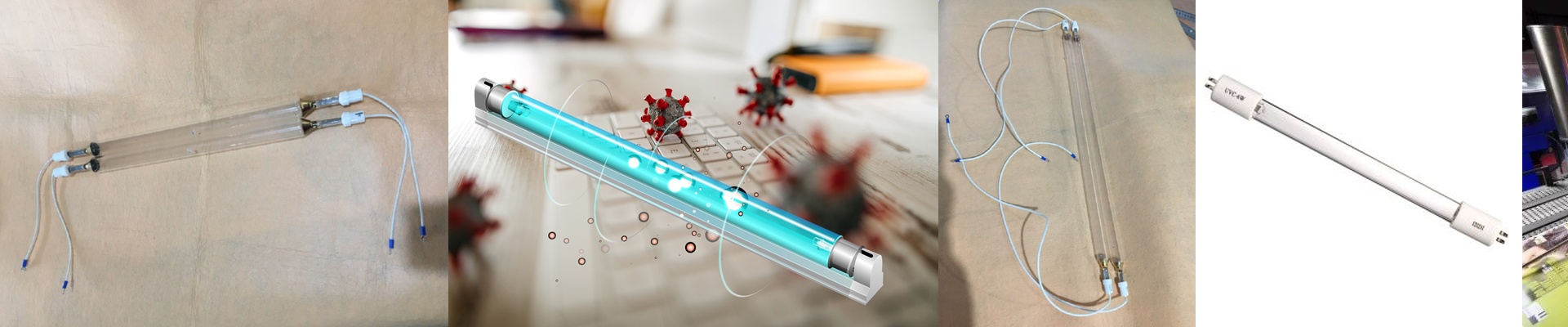
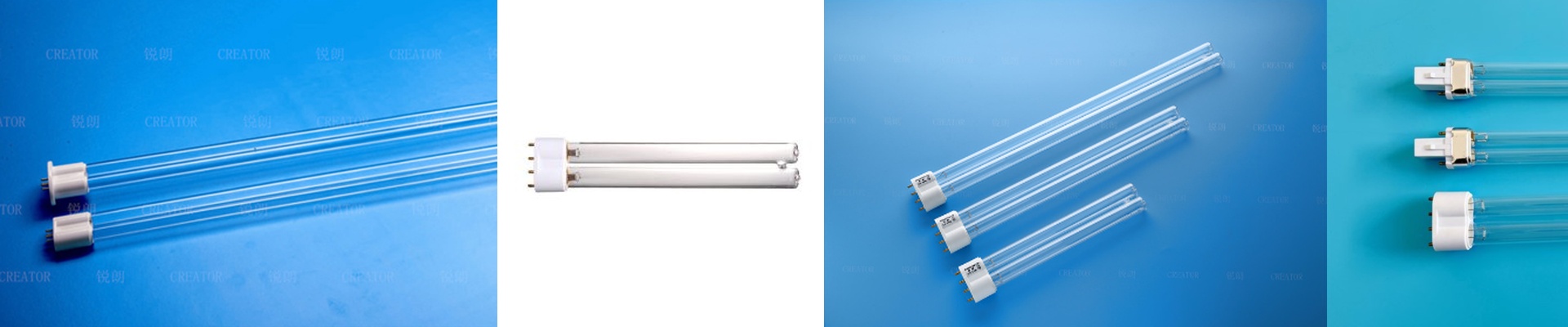
Exporting UV lamps is about way more than just matching a wattage or getting the length right. As we head toward 2026, things are getting a lot stricter. We’re seeing a massive spike in customs seizures and IP fights. Here’s the scary part: if you’re buying generic lamps that “look like” a big brand’s design, you’re basically gambling with your shipment. The danger of the “compatible” lamp You’ll see plenty of suppliers offering “compatible” UV lamps. Sounds great, right? Usually, those are just clones of existing patents. When those crates hit a strict border, customs agents aren’t just glancing at the box. They’re looking for patent markers. If the electrode geometry or the way the quartz is doped looks like a copy of a registered patent, your cargo gets flagged. Then you’re stuck. You lose the shipment, you lose the money, and you might even be staring down some pretty nasty legal fines. It’s a nightmare. Why owning the tech actually protects you We do things differently. We build our lamps using our own patented tech. We own the blueprints—everything from how the arc stays stable to the specific phosphor coatings we use. When we ship your order, we include the patent documentation right in the paperwork. It’s like a technical shield. Instead of just taking a supplier’s word that a lamp is “safe” to export, you actually have the legal proof in your hand. No grey areas. No guessing. The honest truth about custom engineering Now, there is a trade-off. Because we own the tech, we can tweak the specs to get you exactly the output you need. But this isn’t “off-the-shelf” stuff. Lead times can be a bit longer. We aren’t just grabbing a random tube from a bin; we’re manufacturing a precise, protected piece of hardware. It takes a little more patience, but you get a replacement that fits perfectly and won’t get you sued. That’s the only way to make sure your supply chain doesn’t just snap the next time a customs agent decides to do an audit.