Why we obsessed over 0.5% spectral energy
Most UV lamps on the market are “good enough.” They hit the basic specs and call it a day. But for us? That didn’t sit right. Our R&D team spent the last few months chasing a 0.5% spectral energy concentration. I know, it sounds like a tiny, boring number. But when you’re dealing with high-precision curing or sterilization, that tiny gap is everything. It’s the difference between a bond that holds for a decade and a part that just falls apart in your hand.
Getting the physics right
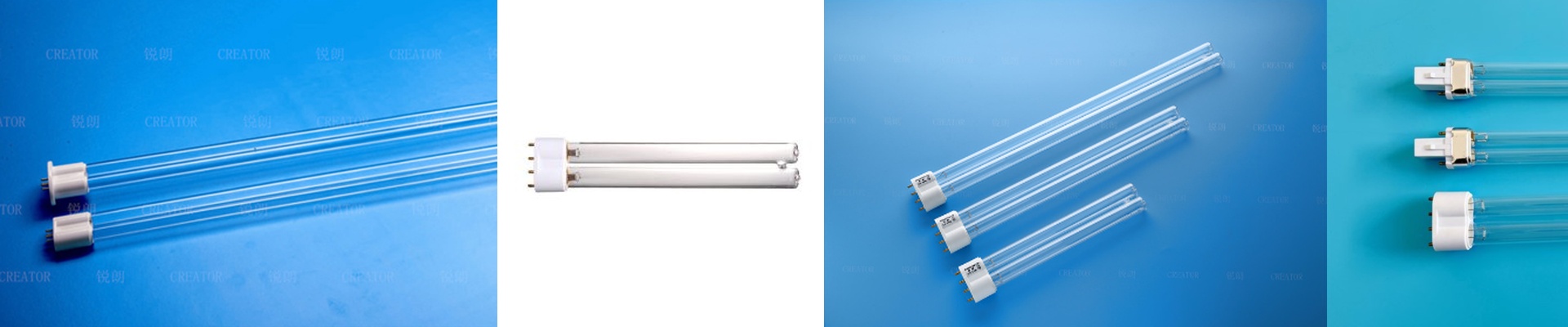
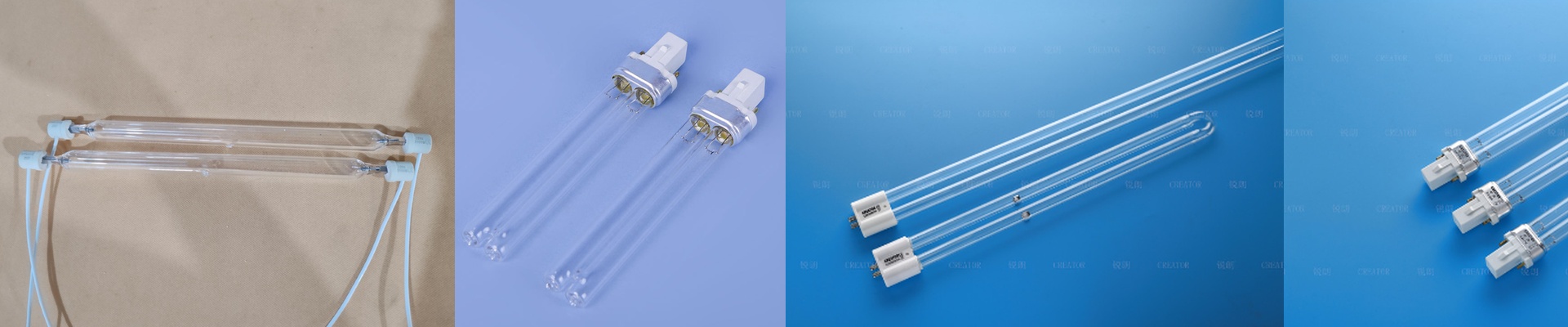
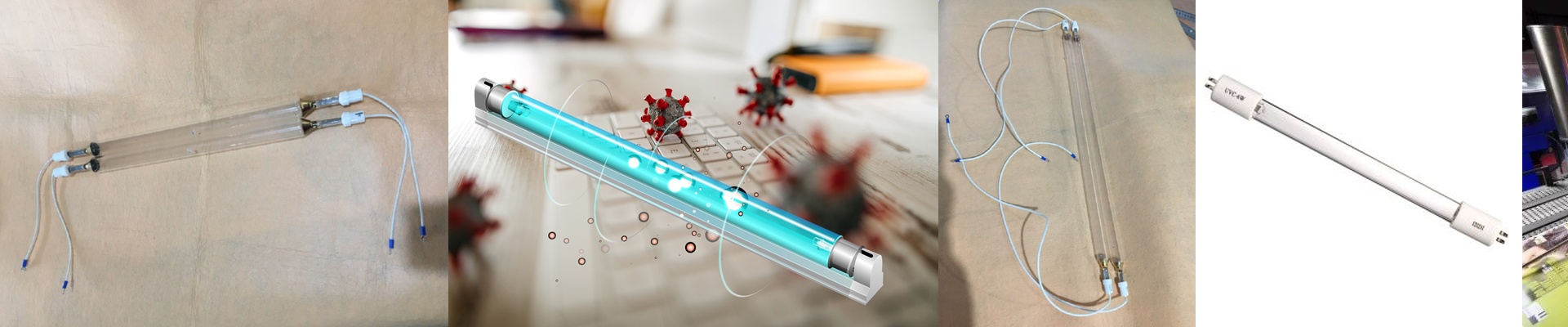
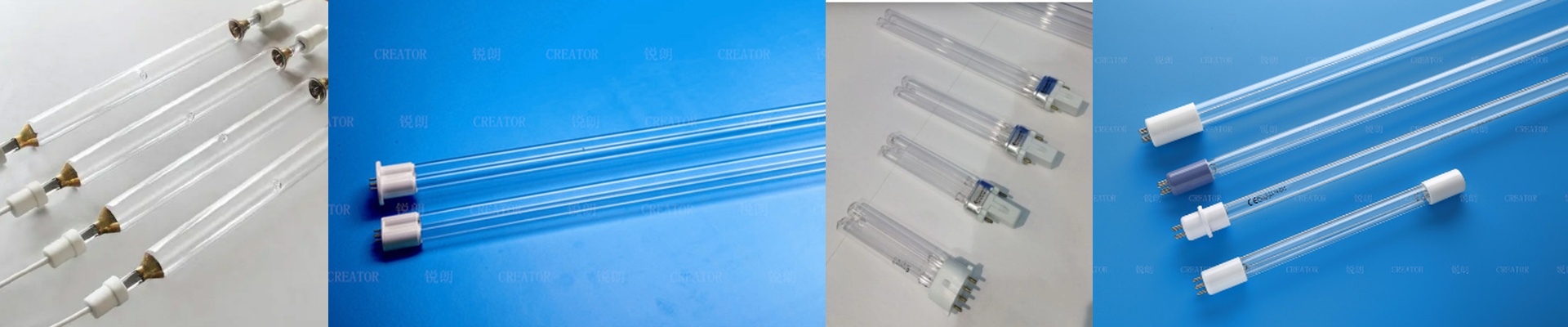
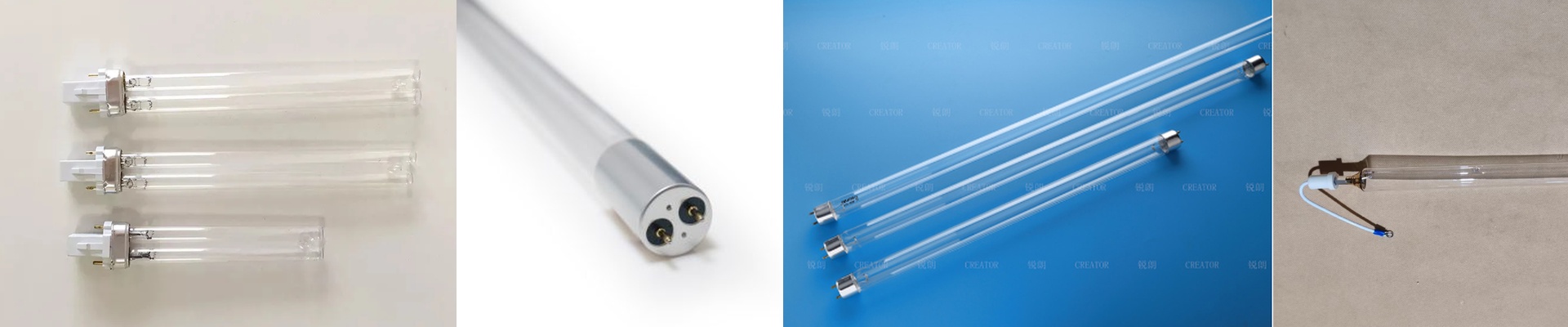
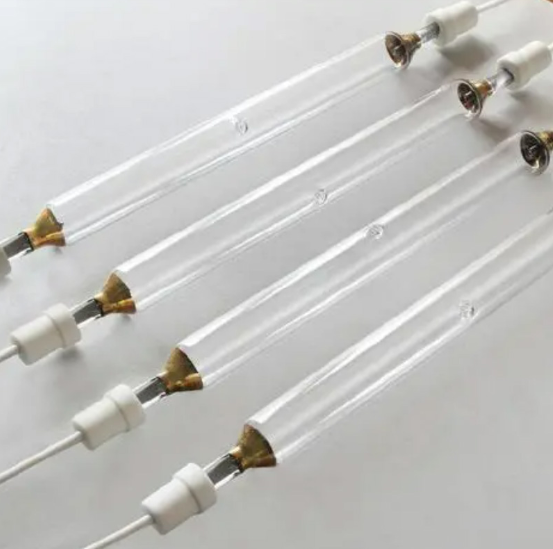
To actually hit that 0.5% mark, we couldn’t just tweak a few dials. We had to rip things apart and start over with the gas mixture and electrode geometry. Here’s the thing: the ratio of mercury vapor to inert gas has to be perfect. If the pressure is off by even a hair, the peak wavelength shifts. Once that happens, your energy concentration is shot. To stop the glass itself from soaking up the UV light, we switched over to high-purity synthetic quartz tubes. But there was a catch. Heat. Heat kills precision. Every time. To keep the spectrum tight, we built in a specialized cooling jacket. Just a heads-up: you’ll need to keep your airflow steady. If the lamp runs too hot, that 0.5% concentration will start to drift.
The trade-offs (because there’s always one)
Getting this kind of precision means we can’t rush. We’ve had to slow down our production cycles, especially when sealing the electrodes. We do it all in a vacuum-sealed environment now. If even a little oxygen leaks in, it creates “dead zones” in the UV output, and the whole lamp is useless. And since we pushed the specs this far, these lamps are a bit more sensitive. They don’t handle “dirty” power well. If you wire these into a noisy power grid with voltage spikes, you’re going to have problems. You’ll want a stabilized power supply to keep the arc steady.
Looking ahead to 2026
The trade standards for 2026 are shifting. Everything is moving toward verifiable energy density. Instead of making you guess, we provide a spectral map for every single batch. This means you can set your conveyor speeds based on actual data. No more spending three days on trial-and-error just to get your line set up. You just look at the map, set the speed, and get to work.