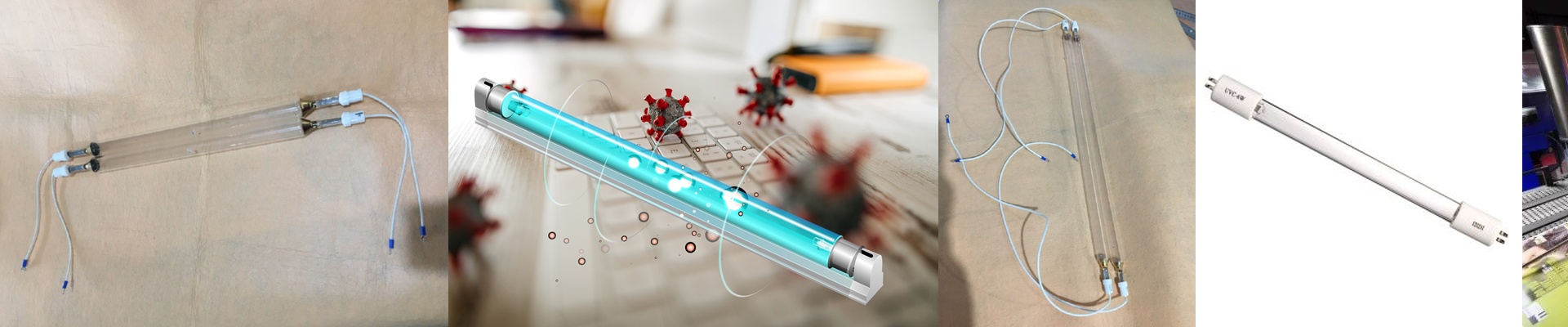
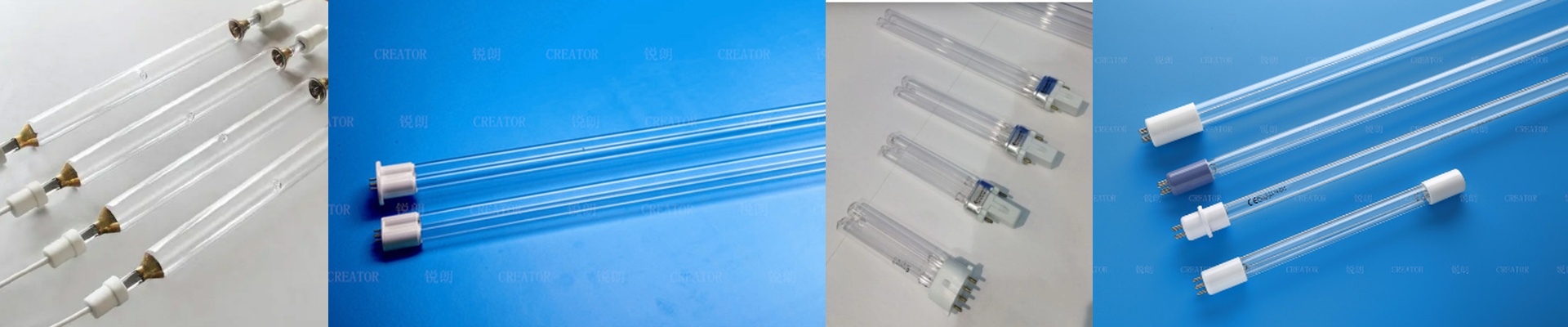
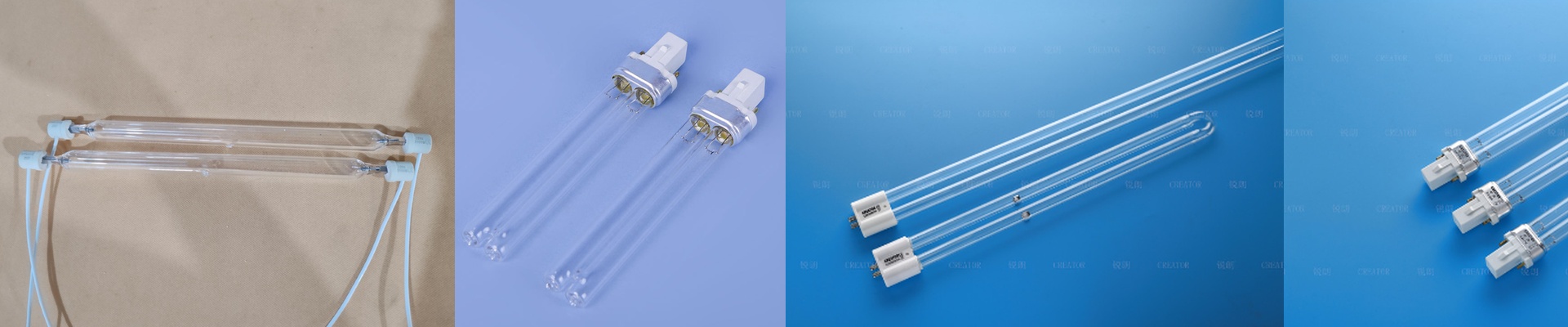
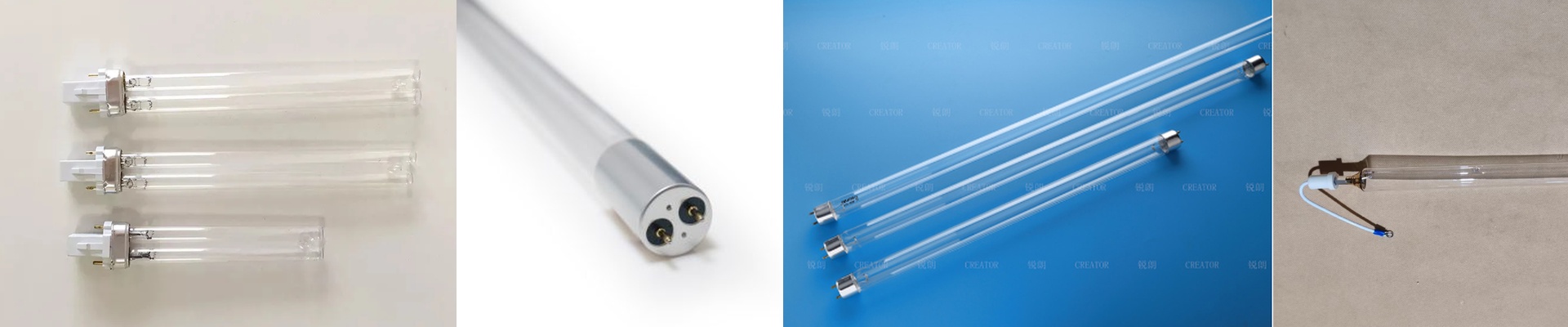
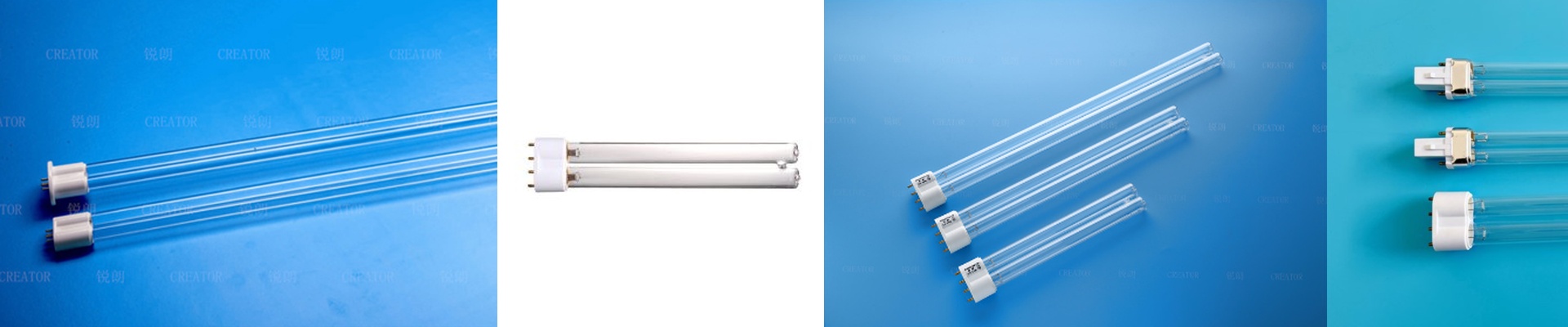
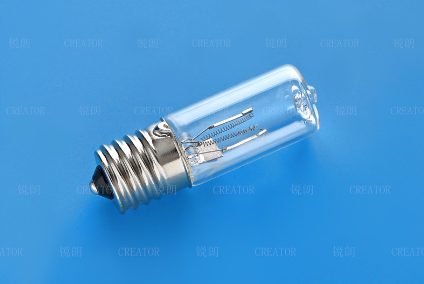
Out on the press floor, you know exposure inconsistency the second you see it—soft dots, ink that won’t fully cure, and makereadies that drag on. When the lamp isn’t pulling its weight, you end up chasing symptoms instead of running the job. We build our replacement gallium lamps to bring the spectral output back to what your system was designed for, so exposure and cure settle into repeatable spec again. The core idea is simple. Gallium lamps put their punch at 365nm, which lines up tightly with the photoinitiators in UV offset, flexo, and screen inks and coatings. That wavelength focus gets you faster cross-linking with less heat, and it evens out cure depth across the substrate. We hold arc geometry steady and keep lamp-to-reflector tolerances tight, so peak irradiance stays consistent across the exposure window. You get output you can measure in mJ/cm², not guess at. The dichroic coating manages IR, so the substrate runs cooler and you don’t fight dimensional drift. Here’s the reality: your exposure frame and curing station are matched to a specific spectral profile. Drop in a source that doesn’t match, and the energy balance shifts. Then you try to compensate with speed or amperage. Our gallium lamp replacements keep the curve where it needs to be, so you hit target cure energy without having to throttle the line. That translates to shorter makereadies, fewer rejects, and lamp life you can plan around. We’ve got units running 5,000+ hours with less than 5% output drop—when they’re run within rated parameters. Before you install, check the basics: connector type, lamp envelope dimensions, and igniter compatibility. Gallium lamps need stable ballast current; voltage spikes will shorten life and broaden the spectrum. Take a hard look at the reflector, too—pitting and oxidation cut irradiance more than most operators expect. And plan for proper disposal; these lamps contain mercury. Match the lamp to the system, and the system will perform the way it was specced to.