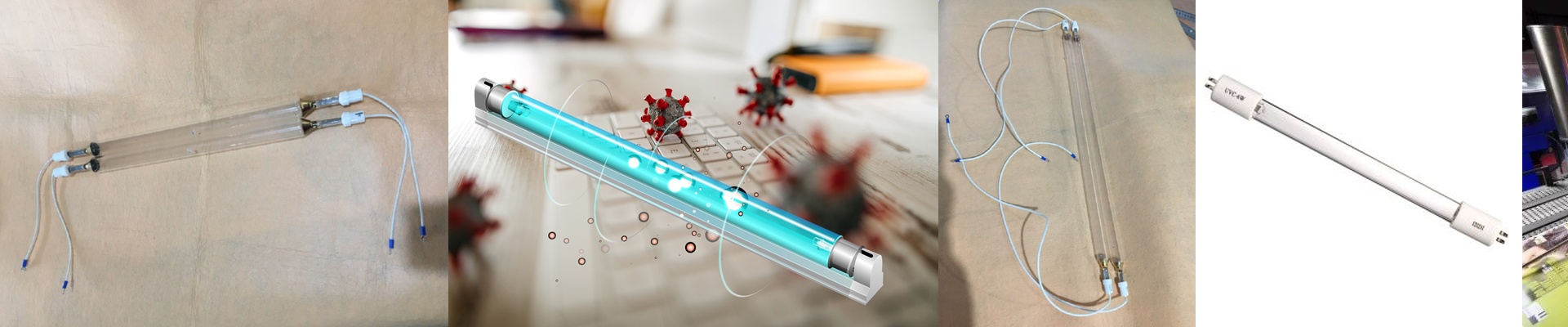
Why Your UV Lamps Fail on the Shop Floor
I’ve spent time auditing about 3,000 printing facilities, and I kept seeing the same frustrating pattern. A lamp looks perfect on a spec sheet in a lab, but once it hits the actual production line? It flops. Usually, it’s because the design forgets one big thing: the chaos of a real shop. The heat, the conveyor speeds, the constant vibration—that’s where things actually break.
Let’s talk about Gallium Iodide
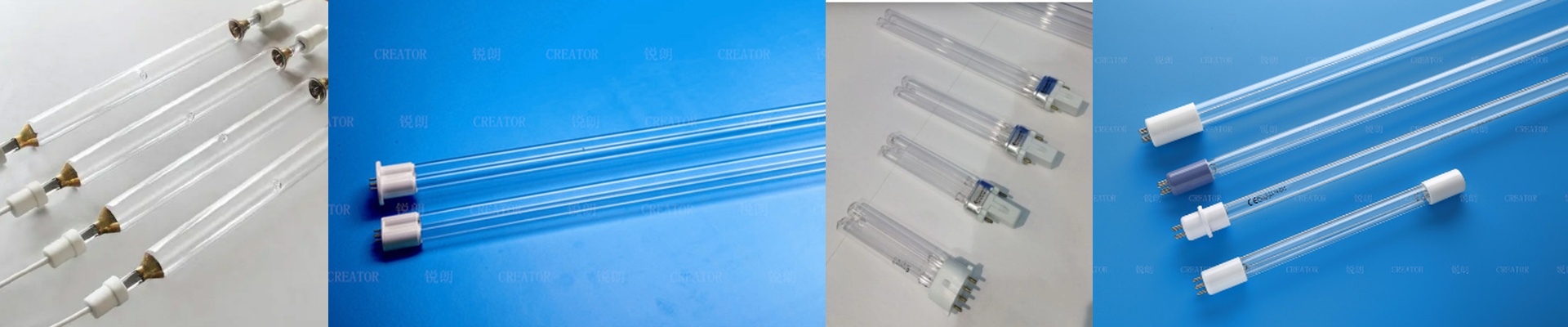
If you’re dealing with thick ink layers or pigments that act like a shield against shortwave UV, standard mercury lamps just won’t cut it. That’s where gallium iodide comes in. It pushes the light into longer wavelengths that can actually get inside the ink. But here’s the trick: the gas mixture and the shape of the electrodes have to be spot on. If the pressure is off by even a little, you get “cold spots.” You’ll think the lamp is working, but you’ll find patches of uncured ink on your substrate that’ll make you want to pull your hair out.
The battle with heat
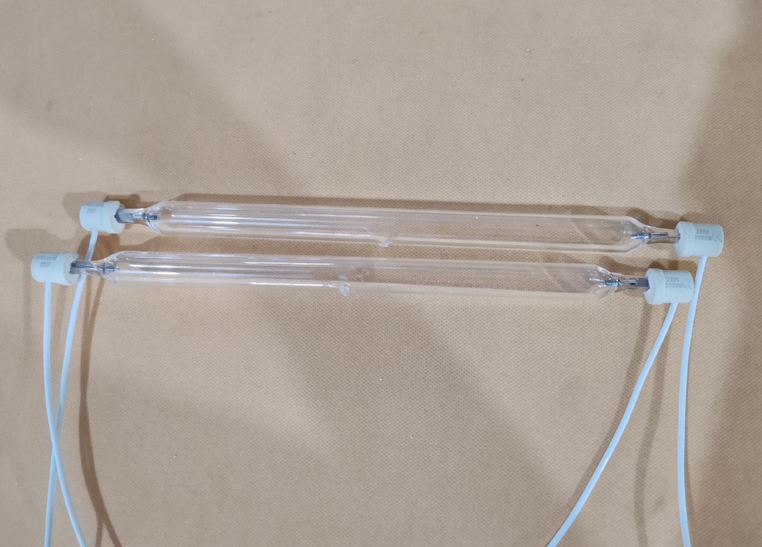
We build these lamps to push out a ton of energy. But there’s a trade-off. When you crank up the power to cure ink faster, you’re putting a massive amount of stress on the quartz glass. To stop the glass from bowing or cracking under that pressure, we use high-purity fused quartz. It’s tougher. It lasts. But you can’t just ignore your cooling system. These lamps throw off a lot of infrared heat. If your exhaust fans can’t keep up with that heat load, you’re going to cook your substrate or burn out your electrodes way sooner than you should.
Making it actually work in your plant
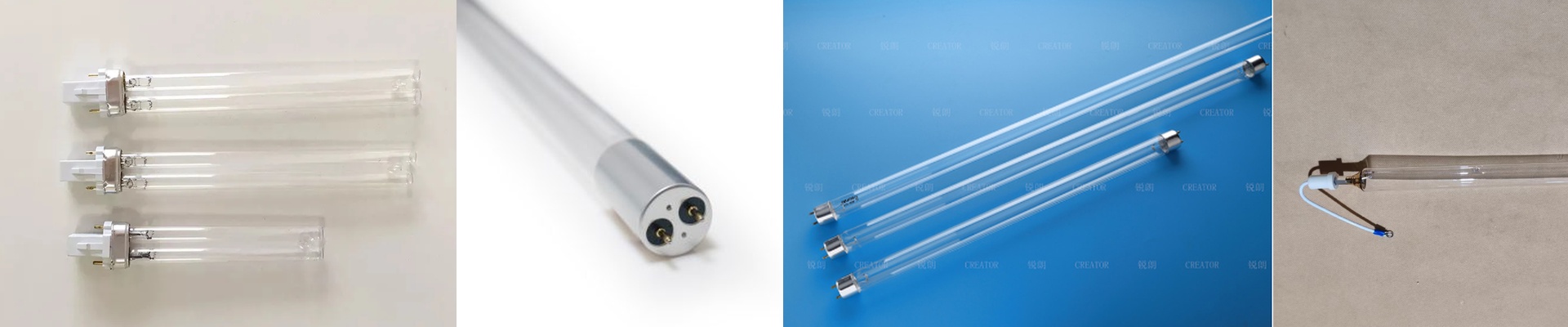
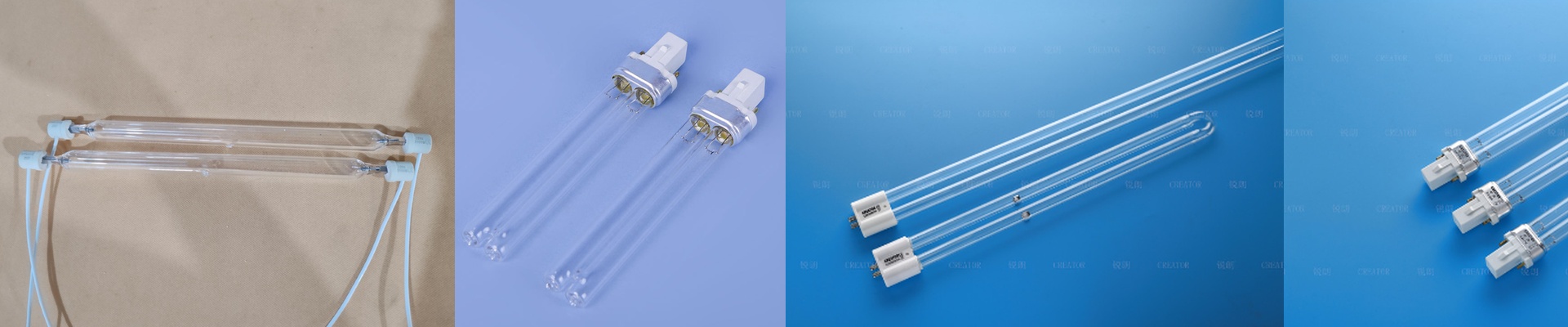
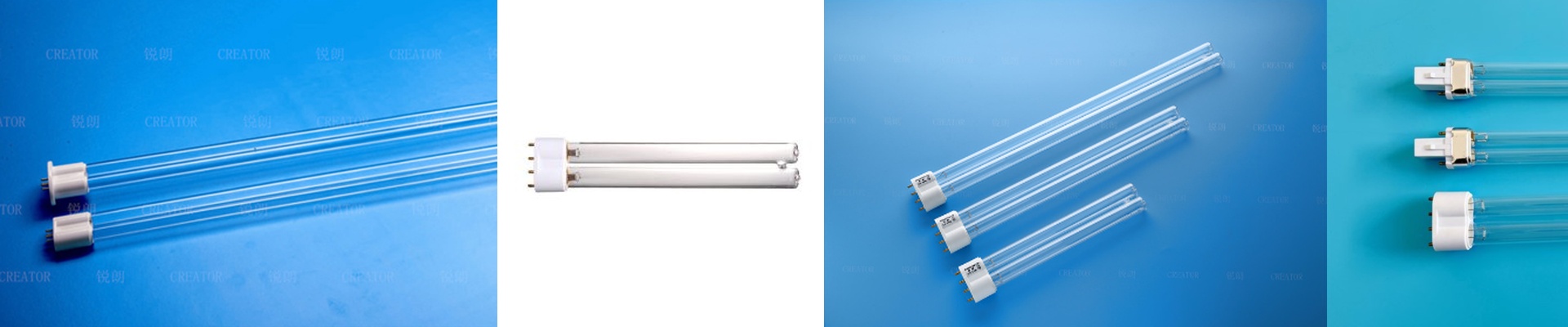
Nobody wants to spend a weekend rewiring a whole array. We design these as drop-in replacements so you can get back to work quickly. The real secret is in the contact points. I’ve seen so many lamps die—and even fry their ballasts—just because the end-caps didn’t fit right, causing a nasty arc. We use reinforced electrodes that can handle the beating of constant start-stop cycles without giving up. One last tip: don’t just buy a “stronger” lamp because the salesperson told you to. Look at your ink chemistry. Find the wavelength that actually penetrates your specific ink. That’s where you’ll see the real difference in your quality.