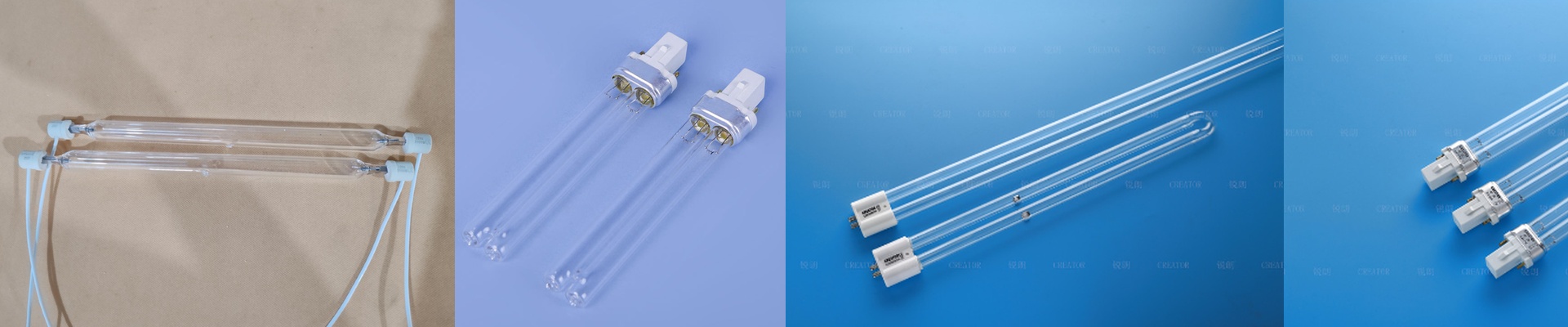
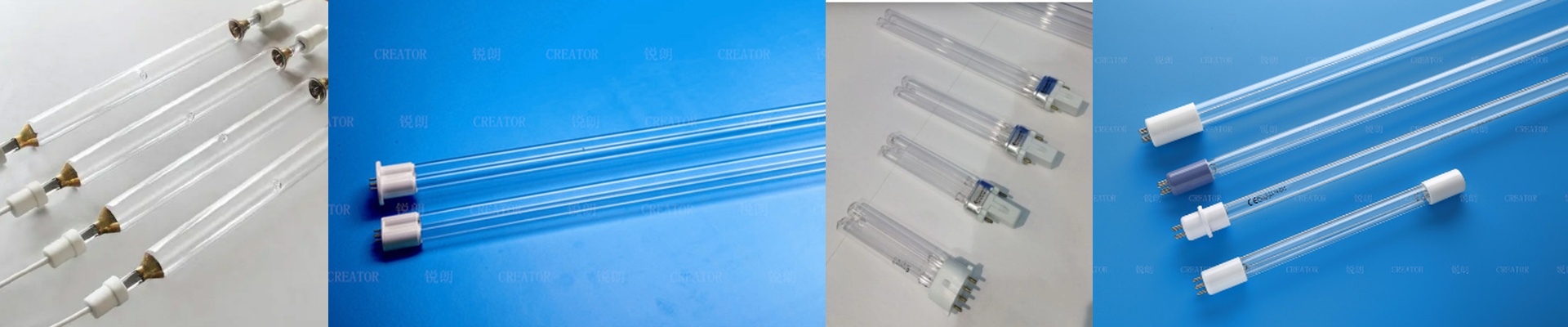
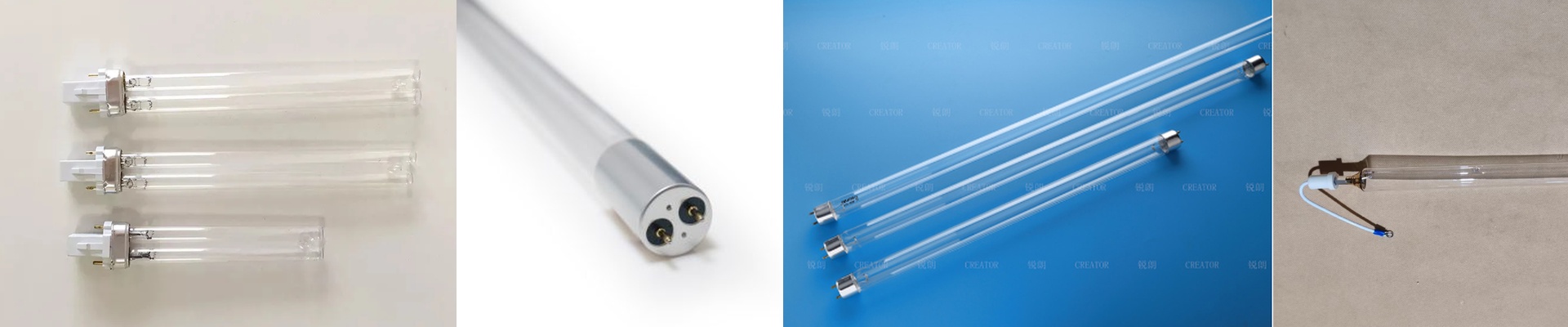
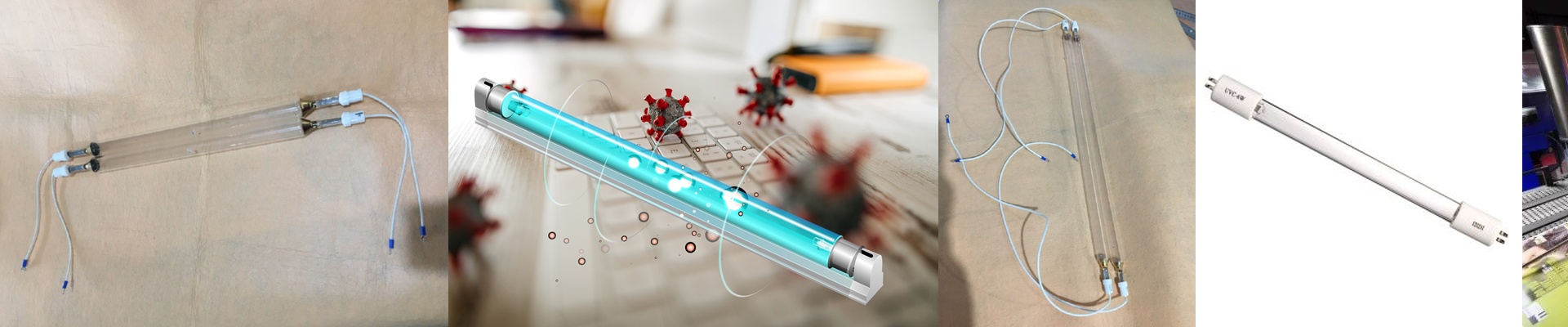
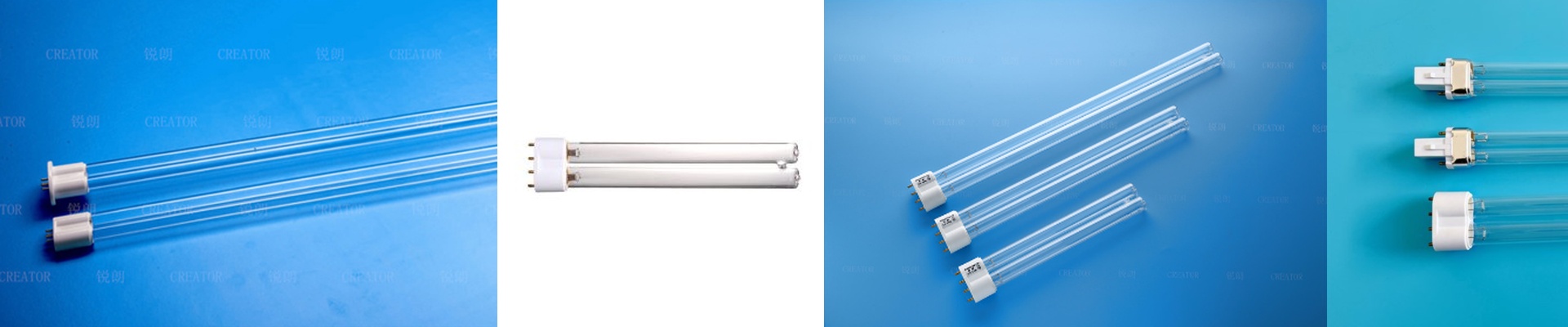
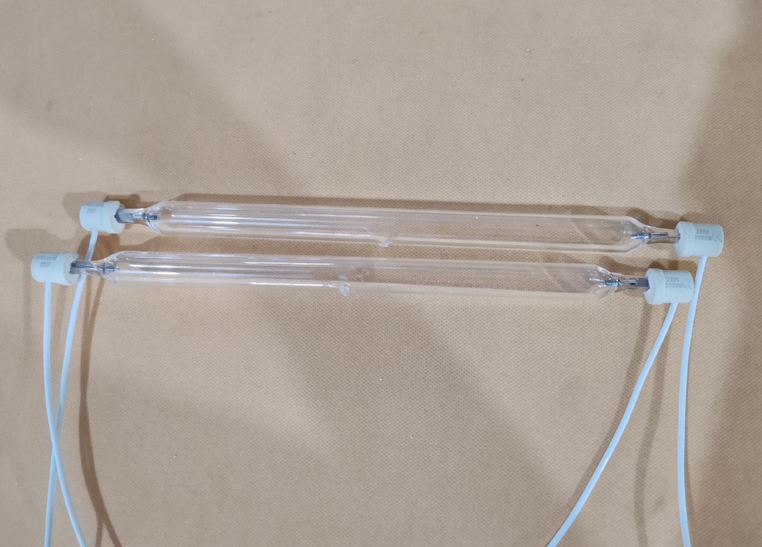
Out on the floor, when an Fusion lamp starts drifting on spectral output, it doesn’t just throttle the press. It creates uneven cure across the sheet—uncured ink, and a pile of rework you didn’t budget for. We built our Fusion replacement lamp to bring the spectral profile and irradiance back to what your line is expecting. What matters, technically We match the Fusion-compatible arc length and electrode geometry, so the mercury vapor discharge stays stable, with a defined spectral output from 365nm to 436nm. Peak irradiance at the substrate stays above 1,200 mW/cm², giving you the energy density needed for fast cross-linking. The quartz envelope is ozone-free, and the reflector uses a dichroic coating to shape wavelength distribution and cut IR heat load. You get 800 hours of stable life at full output, and end-of-life output drop stays under 15%. Here is the thing: in industrial printing—UV offset, flexo, and screen—throughput is set by cure speed and repeatability. This lamp restores the photoinitiator activation profile you need to hold high line speeds, so rejects drop and makeready stays tight. Power draw stays inside the original system envelope, so you don’t have to re-rate circuits, and lamp-to-lamp consistency helps prevent color shift from UV variance. Plus, it’s a swap, not a redesign. A few practical notes before you pull the trigger: Install with the correct connector orientation and double-check reflector alignment. Even a few degrees off can skew irradiance and leave the edges undercured. Verify ignition voltage and ballast compatibility before the changeover. And keep a spectral radiometer on it so you can schedule replacements before output falls outside your process window.