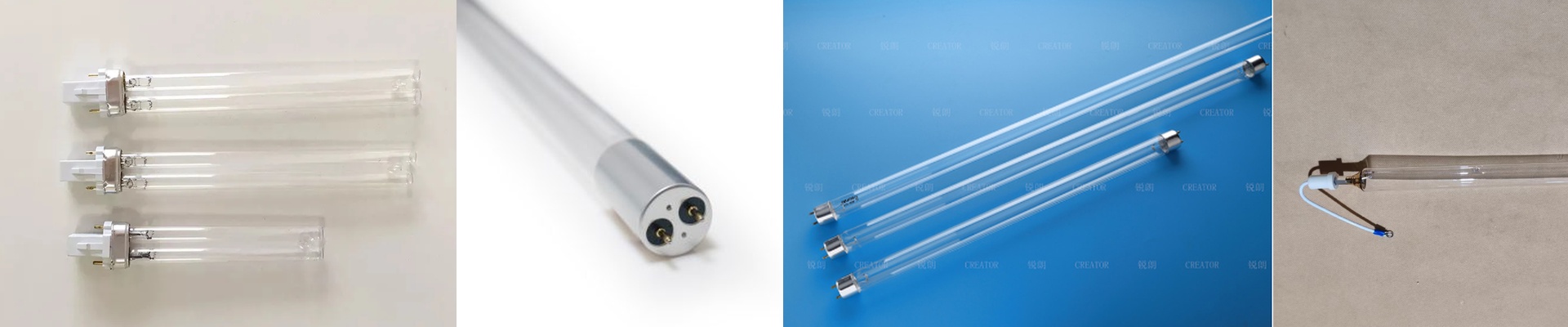
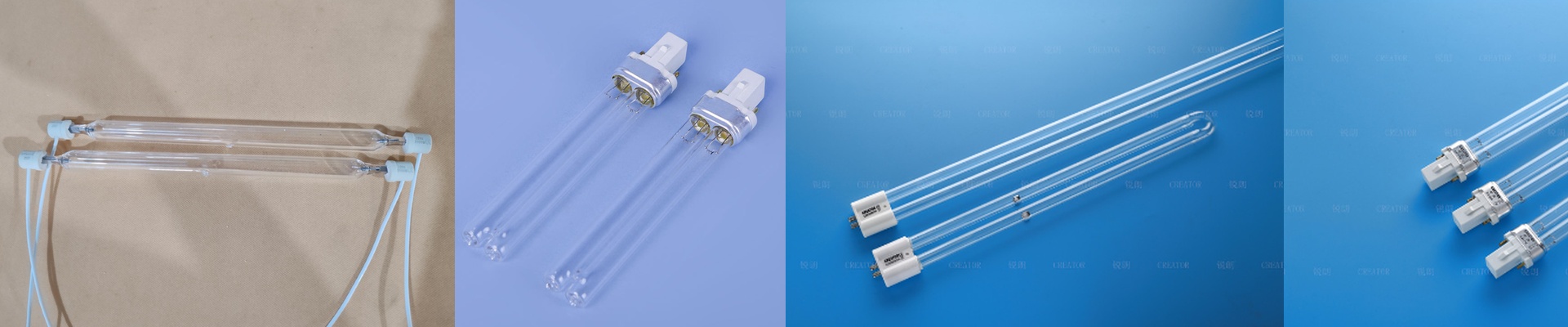
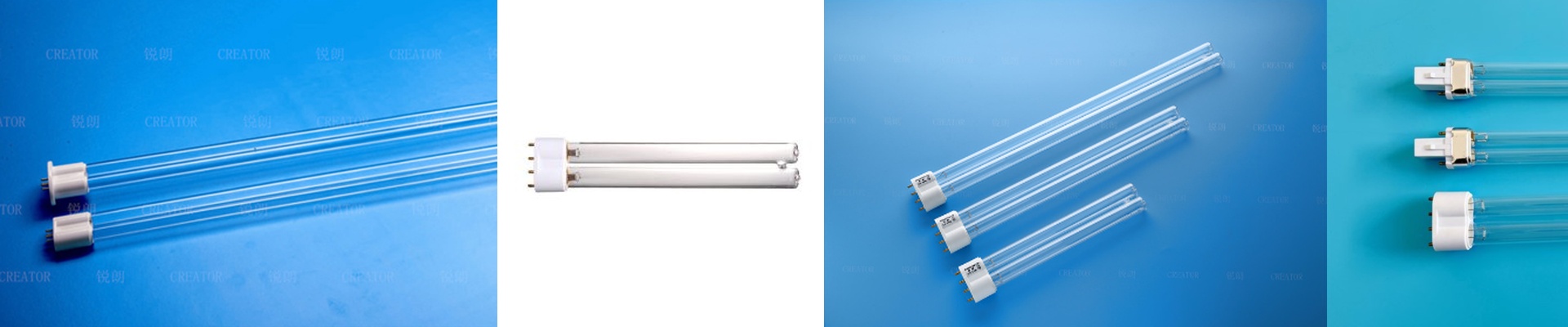
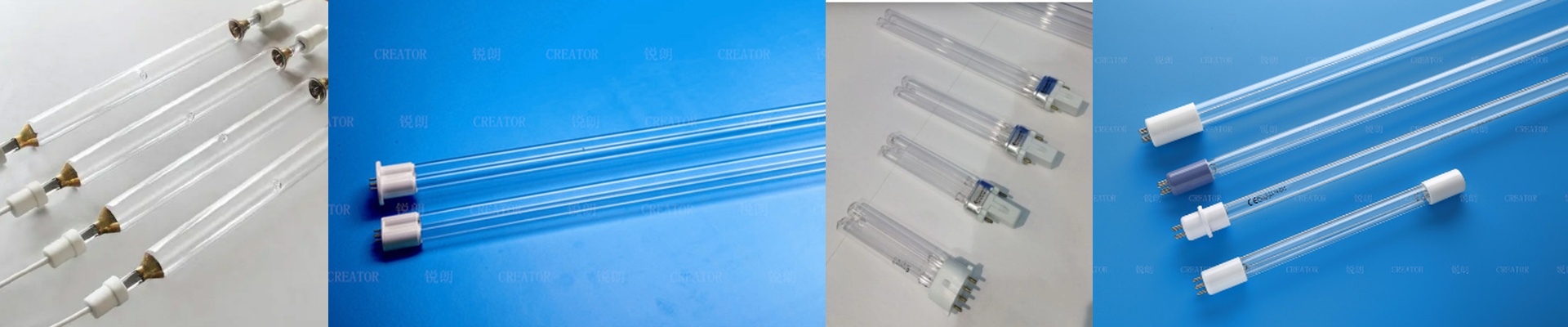
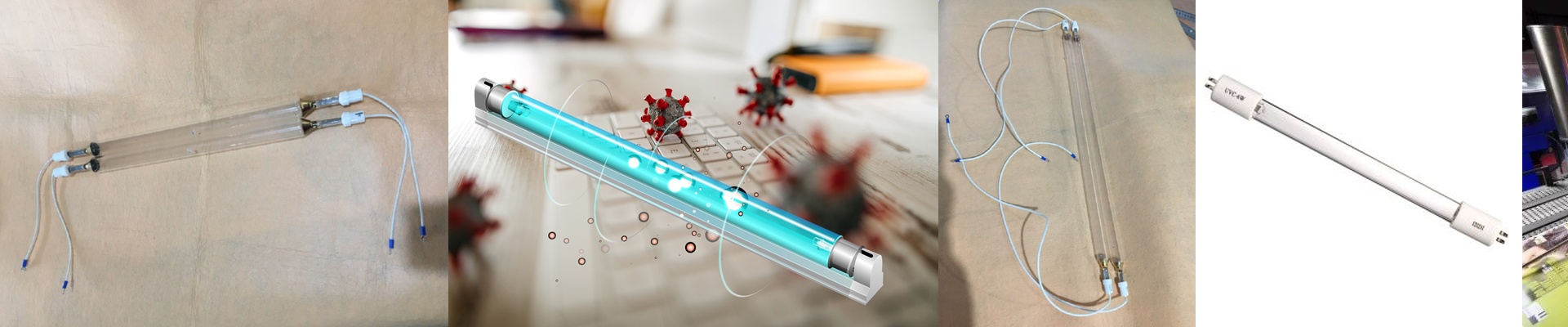
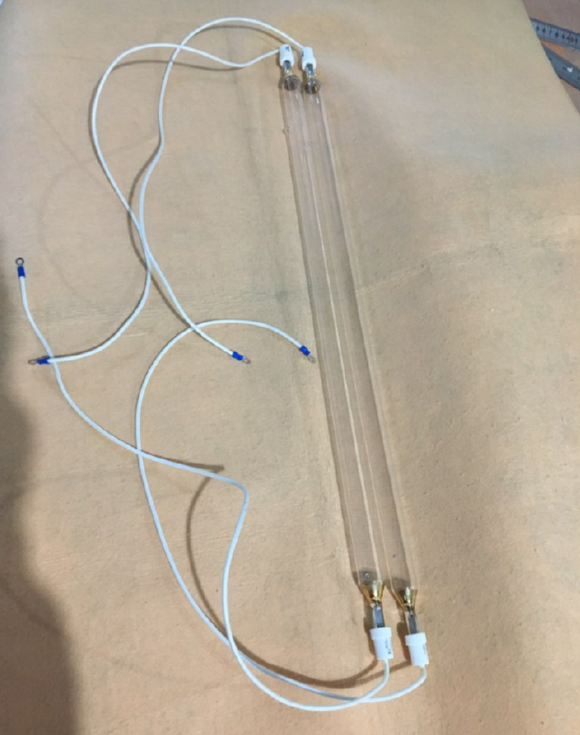
On the press, when you’re printing heat-sensitive fabrics, the heat from a standard UV cure isn’t just annoying. It warps the substrate and throws off register. So we built the solution around the reflector on the UV lamp, tuned to give you a true cold-source profile. The key is spectral control. We run a high-pressure mercury vapor lamp with a reflector that has a dichroic coating. It’s set to push peak output at 365nm and 385nm while cutting out infrared (IR). That keeps the spectral output focused on what the photoinitiator needs, not on heating the substrate. You end up with a stable, repeatable light budget that drives fast cross-linking without cooking the fabric. That’s exactly why it works on heat-sensitive materials. You get enough peak irradiance and energy density to fully cross-link in one pass, and the substrate stays dimensionally stable. Across the width, you’re seeing consistent mJ/cm² with minimal thermal bleed-through. In practice, that means higher throughput and fewer rejects from warping. Installation comes down to geometry. The reflector has to be aligned to the lamp’s arc gap and the substrate plane; if it’s off, you’ll see banding. Compatibility is straightforward on most UV offset, flexo, and screen presses, but double-check lamp length, end-cap type, and reflector focal distance. And run it in an ozone-free environment. That extends lamp life and keeps reflector reflectivity solid for 5,000+ hours.