Why Our UV Lamp is the Smarter Choice for Your MHM Printing System
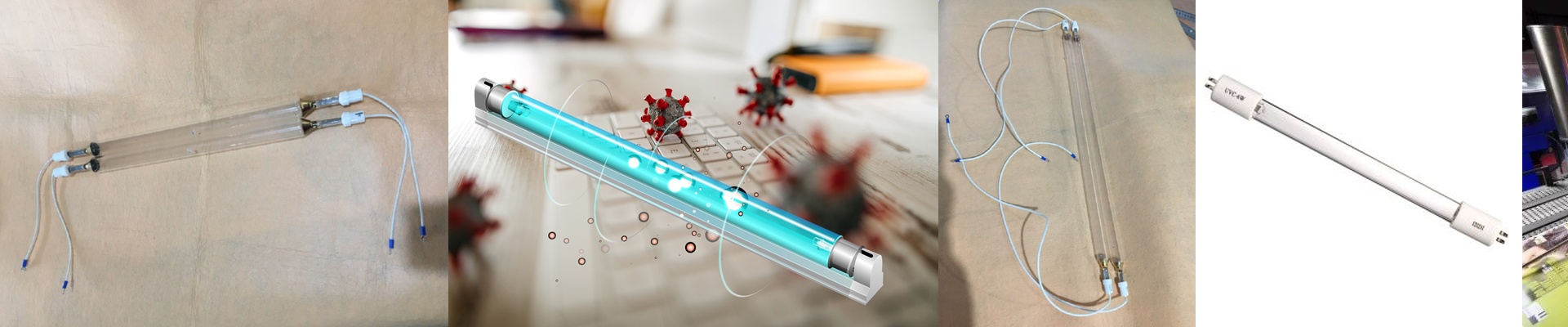
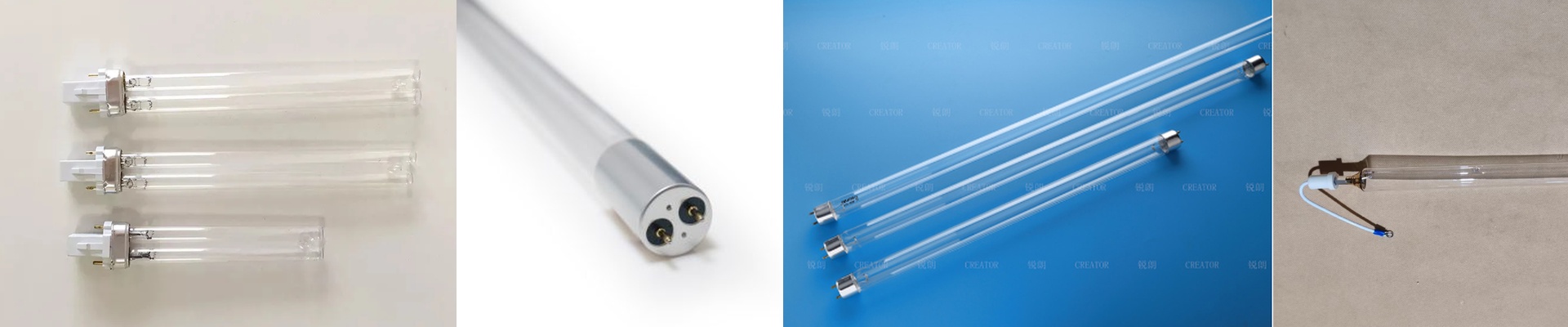
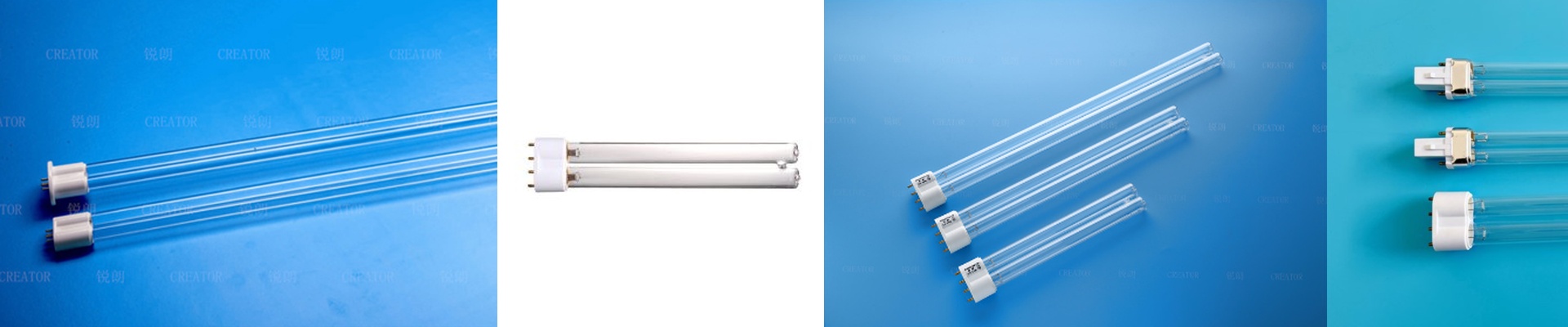
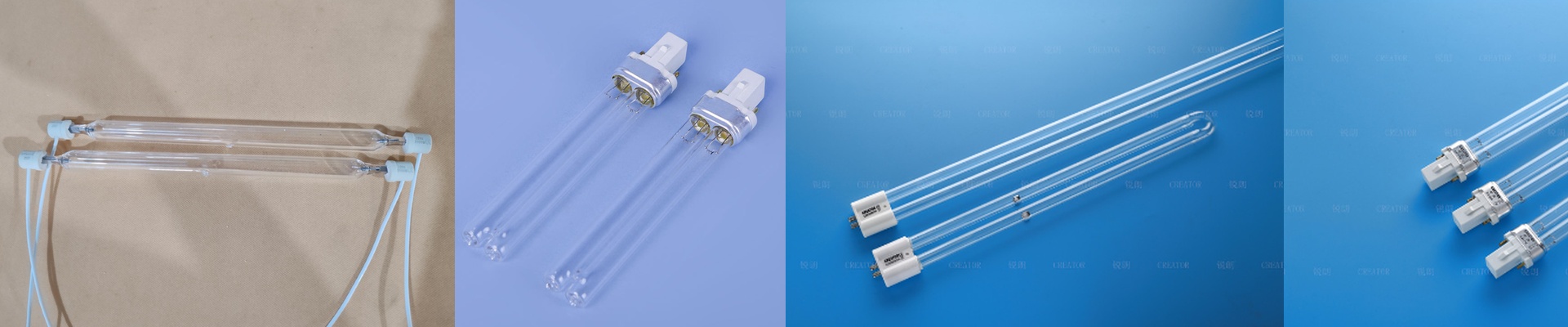
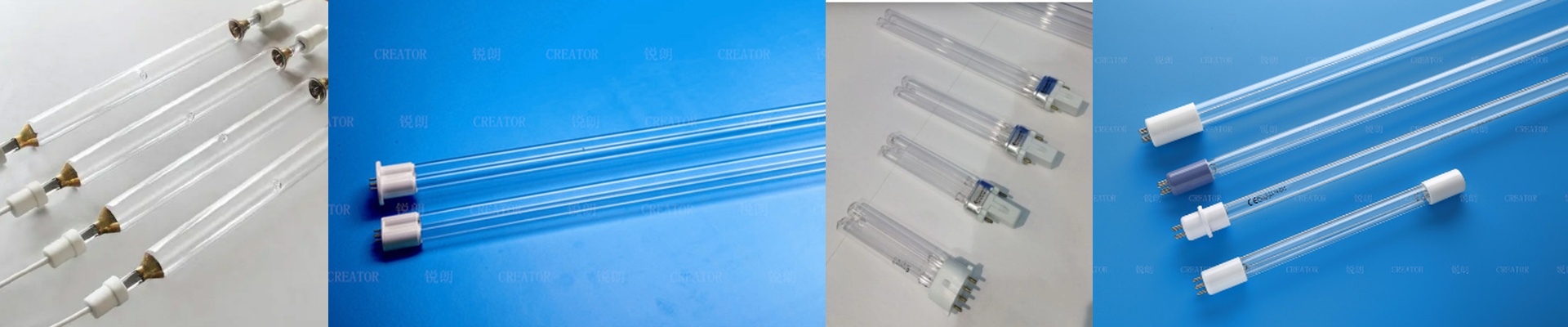
Let’s cut through the noise. We built an industrial UV germicidal lamp specifically for MHM printing machines. It meets or beats the original specs, but costs you less over the long haul. The whole point? Give you a drop-in replacement that just works. It runs cooler, lasts longer, and slips right in without needing any machine tweaks.
Power, Voltage, and Fit: Built for the Real World
We didn’t design this in a vacuum. We matched the specs to the reality of an MHM press floor. Our high-output design delivers the UV intensity you need for fast curing and serious germicidal action. And the size? It fits perfectly into the existing reflector setup. We balanced tube length, arc gap, and wattage to keep the arc temperature steady and the output consistent, no matter how busy your machine gets. High voltage helps energy transfer cleanly, so the lamp starts fast and stays stable, even with frequent cycling.
What It’s Made Of: Tough, Clear, and Simple
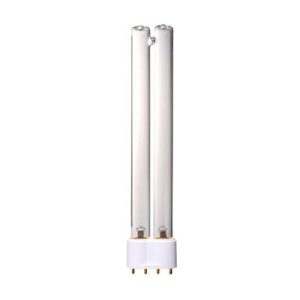
The tube is pure quartz—high-purity, built to take repeated heat shock without clouding up, so the UV keeps punching through. Inside, the coating is tuned to hit the right shortwave spectrum for both curing and microbial control. And the R7s connector? It gives you a solid, low-resistance connection that handles thermal expansion without wiggling loose. That means stable contact and fewer hot spots. Installation is a straight swap. No rewiring. No fabricating brackets. Just in, and done.
On the Press Floor: Reliability You Can Count On
In an MHM system, the lamp has to perform on a relentless schedule. Downtime costs, and lamp life sets the rhythm of your maintenance. Our lamp comes up to full power fast, holds its intensity over time, and handles the constant vibration and heat cycling of a busy shop. One thing to keep in mind: high wattage means heat builds up, so make sure your machine’s cooling and ventilation are in good shape. For the people keeping the press running, the payoff is simple: predictable performance, less downtime, and a lower replacement cost—without ever cutting corners on print quality.