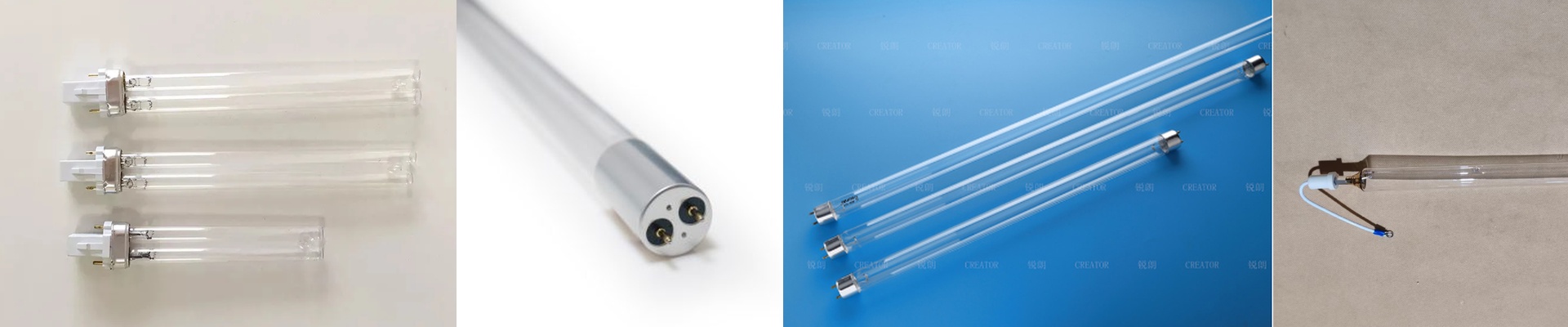
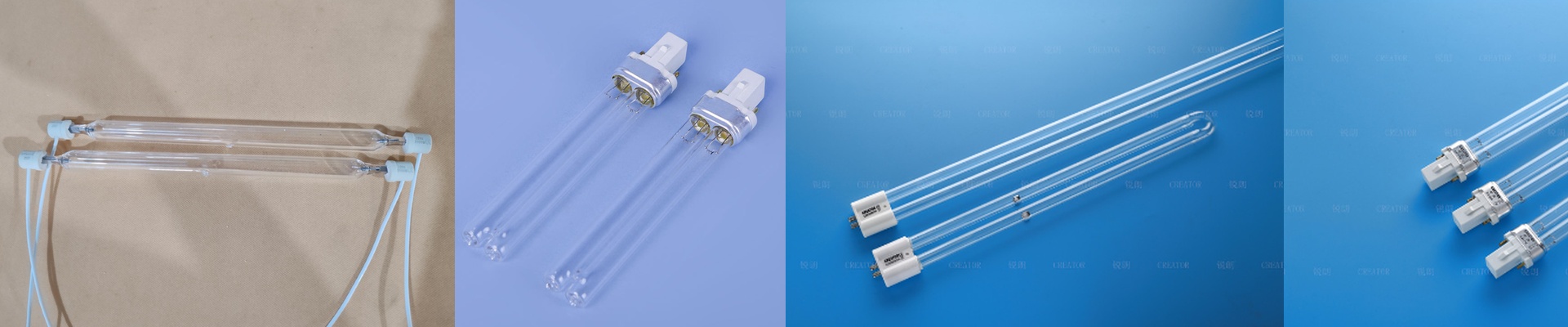
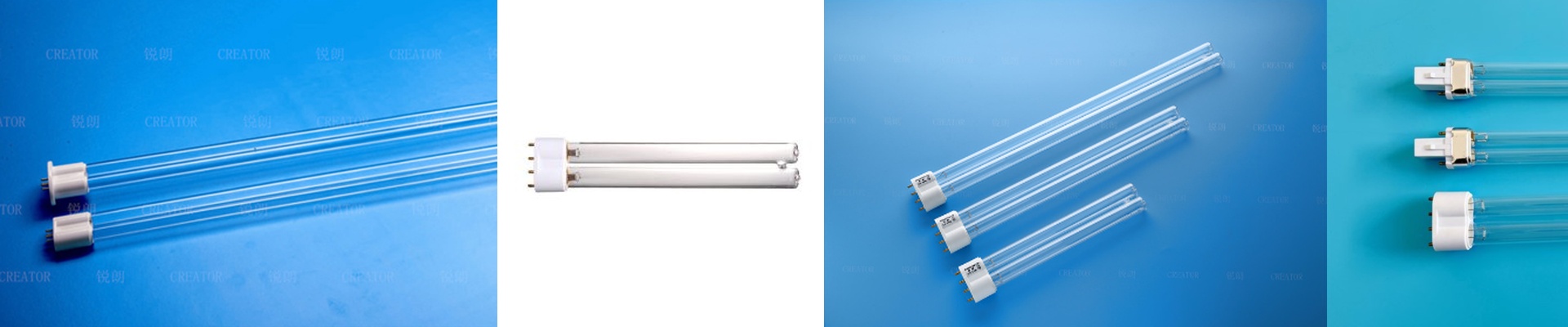
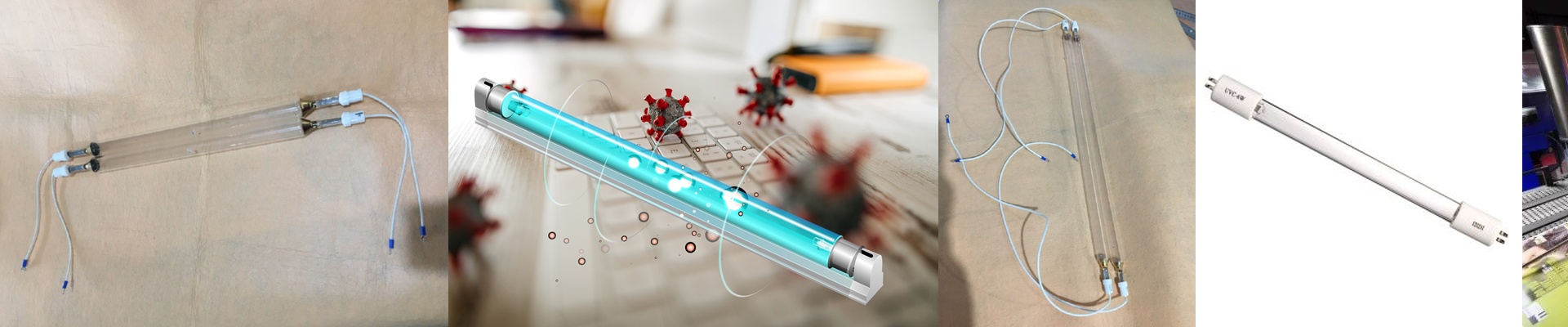
On a label press, the job isn’t finished when the ink hits the substrate. It’s finished when the ink is cured—all the way through. Try running thick-build screen or flexo layers for texture, tactile effects, or dimensional branding, and you’ll find out fast: a surface-only cure isn’t a cure. You end up with residual tack in the valleys, incomplete cross-linking at the base of the deposit, and a pile of rejects that eat up time, substrate, and press capacity. High-penetration UV curing is the only practical way to get thick-build patterns fully cured from bottom to top in a single pass on a label press. The physics are straightforward: UV photons have to reach the photoinitiators through the full layer depth, and the energy density delivered has to be enough to drive complete polymerization before the substrate moves on.
What matters, technically
A label press UV lamp isn’t just a light source—it’s a controlled photochemical tool. For thick-build curing, you’re really looking at spectral output, peak irradiance, and delivered energy density. **Spectral output and photoinitiator match.**Thick layers absorb and scatter UV. Short wavelengths around 365 nm get soaked up fast by many white pigments and the ink matrix itself, which is why you often see top-cure while the bottom stays undercured. Medium wavelengths around 385 nm and 405 nm penetrate deeper through pigmented and filled inks, activating photoinitiators lower down. We build label press lamps with a tailored spectral profile that balances 365 nm for surface cure and longer wavelengths for depth, so the whole deposit polymerizes as one unit. **Peak irradiance and cure speed.**Peak irradiance—measured in W/cm² at the substrate plane—determines how quickly you can drive the reaction to completion. High peak irradiance shortens the exposure window needed to hit the required energy density, which keeps the press running at line speed without dumping excess heat into the substrate. With thick-build layers, you need that high peak to overcome the attenuation that happens inside the deposit. **Energy density at the substrate.**In production, the number that matters is mJ/cm² delivered to the ink. Thick-build deposits demand more total energy to fully cross-link through the depth, and that energy has to be consistent across the web. We engineer the lamp, reflector geometry, and optical density to deliver repeatable energy density—not just peak numbers that look good on a datasheet. **Reflector efficiency and uniformity.**The reflector isn’t decoration; it’s the core of the optical system. Dichroic coatings and precise contouring shape the spectrum and control heat, while keeping irradiance uniform across the cure width. Without uniformity, you get streaks, edge-to-center swings, and inconsistent cure—especially in thick-build work, where layer height magnifies small differences in delivered energy. **Lamp stability over the duty cycle.**Output stability matters when the press doesn’t stop. Mercury vapor lamps show output degradation over time, and thermal management affects instant-on performance. We specify lamps and power supplies matched for high-duty-cycle operation, so output stays stable from startup through long runs, with predictable end-of-life behavior and manageable replacement intervals.
Why this approach fits the problem
Thick-build printing on a label press is a depth problem that shows up looking like a speed problem. You can slow the line to add dwell time, but then you lose throughput and risk heat build-up. You can crank up lamp power, but if the spectrum is wrong, you’ll scorch the surface while the bottom stays uncured. A high-penetration UV lamp fixes this by delivering the right photons where they need to go. The medium-wavelength component reaches through the layer to kick off cross-linking at the base, while the shorter wavelengths finish the surface. The payoff is through-cure in one pass, even with heavy deposits used for tactile effects, raised graphics, or functional coatings. On the shop floor, that translates into real, measurable gains. **Fewer rejects, less rework.**When the bottom cures completely, adhesion failures, blocking, and residual tack in the thickest areas stop being routine. Operators don’t have to chase cure by slowing the line or tweaking settings mid-run. **Stable performance at line speed.**With enough peak irradiance and proper energy density, the cure window supports the press speed instead of capping it. You keep running at rated speed, without stacking parts to “catch up” to the curing process. **Lower energy cost per cured label.**High-penetration lamps hit the required energy density with a shorter dwell, which reduces total energy draw per label compared to running longer at lower irradiance. The press is using electricity to cure—not to wait. **Consistent output across the web.**Uniform irradiance means the left edge cures the same as the center and the right edge, even when the ink deposit is tall. Thick-build geometry is unforgiving: small non-uniformity shows up fast as cure variability. **Predictable maintenance planning.**Lamps are specified with known output curves and expected lifetimes, so you can plan replacements during scheduled stops instead of reacting to sudden output loss and unplanned downtime.
The details you have to get right
A high-penetration UV lamp isn’t a bolt-in commodity. It has to match the press, the ink system, and the way you actually run jobs. **Compatibility with existing press architecture.**Label presses have fixed cure stations—lamp lengths, reflector geometries, airflow patterns, and electrical interfaces are all defined. Retrofit lamps have to fit the physical envelope and mounting, and the power supply has to match the lamp arc characteristics. If the lamp doesn’t fit the optical path, you lose uniformity and peak irradiance, regardless of rated power. **Thermal management and substrate sensitivity.**High irradiance generates heat. Paper, films, and pressure-sensitive materials can be sensitive to heat build-up, especially at high line speeds where the substrate spends less time under the lamp. Proper airflow and reflector thermal control are essential. Sometimes you have to tune the spectral balance or adjust lamp height to keep the substrate within its thermal tolerance while still curing the ink. **Ink chemistry and photoinitiator window.**No lamp can cure an ink that’s mismatched to its spectrum. If your thick-build ink depends on a narrow photoinitiator absorption band, the lamp spectrum has to overlap that band strongly. Coordinate with the ink supplier on required energy density and spectral response, then validate the cure window with a radiometer on the press. **Measurement discipline.**UV curing performance isn’t a vibe. Use a calibrated radiometer to measure irradiance and energy density at the substrate plane, and document the values for each ink and substrate combination. Without measurement, you’re guessing. With measurement, you can set a minimum energy density spec for every job—and run to it. If you run thick-build label work, the lamp choice decides whether you cure the full deposit or just the surface. High-penetration UV curing gives you the depth, uniformity, and speed needed to make thick-build printing reliable on a label press—without slowing the line or betting the job on inconsistent results.