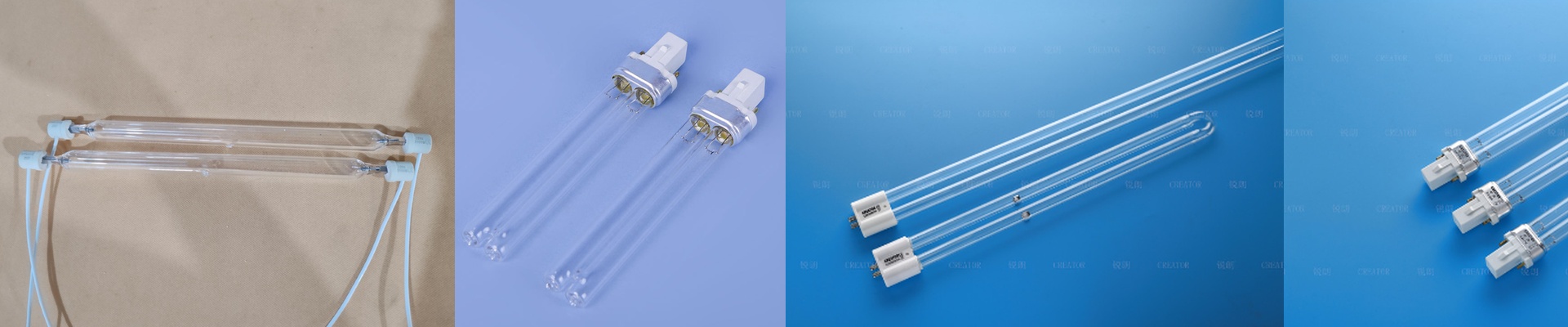
UVC Lamp Sockets (G5, G13): The Secret to Sterilization That Actually Works
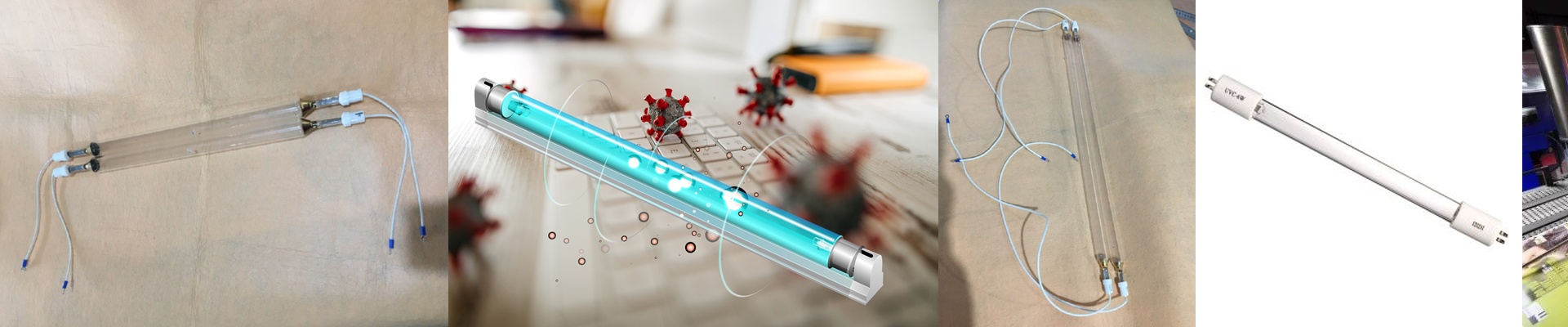
Here’s the truth: UVC germicidal lamps don’t just “kinda” sterilize. They run on pure physics—specifically, the right dose of 254nm light hitting the target. And when we talk about G5 and G13 sockets, we’re really talking about the unsung hero of the whole setup. These sockets are the connection that keeps the lamp locked in place, lines up the pins perfectly, and keeps the electrical arc steady. If that connection is shaky, the light intensity drifts. And when the intensity drifts? Well, the whole sterilization effect becomes a gamble.
The Nitty-Gritty: Power, Shape, and Stability
UVC output isn’t just a simple on/off switch. It’s a delicate dance between the electrical input, the lamp’s physical shape, and how it’s being run. We design these lamps around rock-solid power delivery so the arc stays consistent. The length of the lamp and the arc inside it directly shape how intense the light is across the target area. A short, tight arc gives you a powerful, focused blast. A longer arc spreads that intensity over a wider space. But you can’t treat UVC like your average light bulb. The ballast and socket system have to hold the current within a super tight range. If the driver gets jumpy or the pin contact gets unreliable, the lamp’s output starts to swing all over the place. That’s why monitoring intensity in real time is non-negotiable. Lamps age. Voltage fluctuates. Even a little dust on the sleeve changes the dose that actually gets delivered.
What’s Inside: Quartz, Coatings, and the Pin Connection
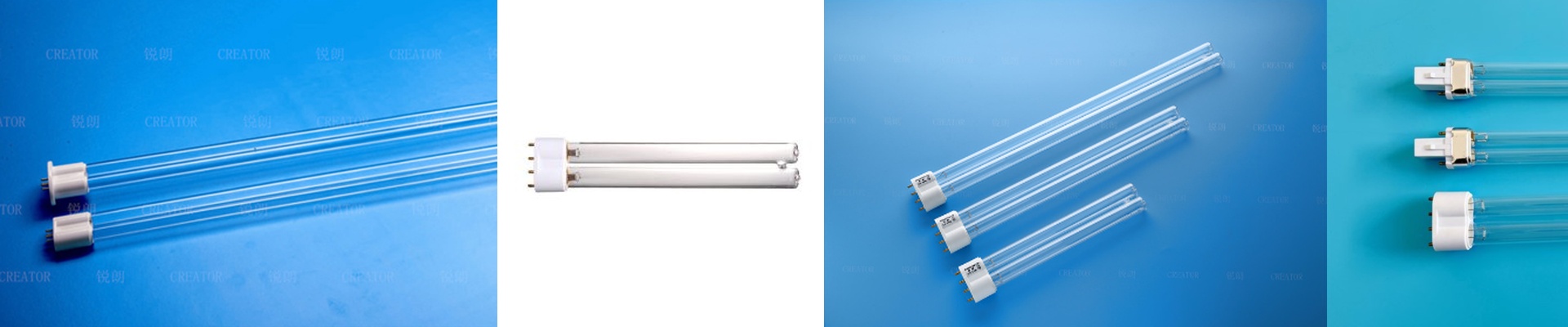
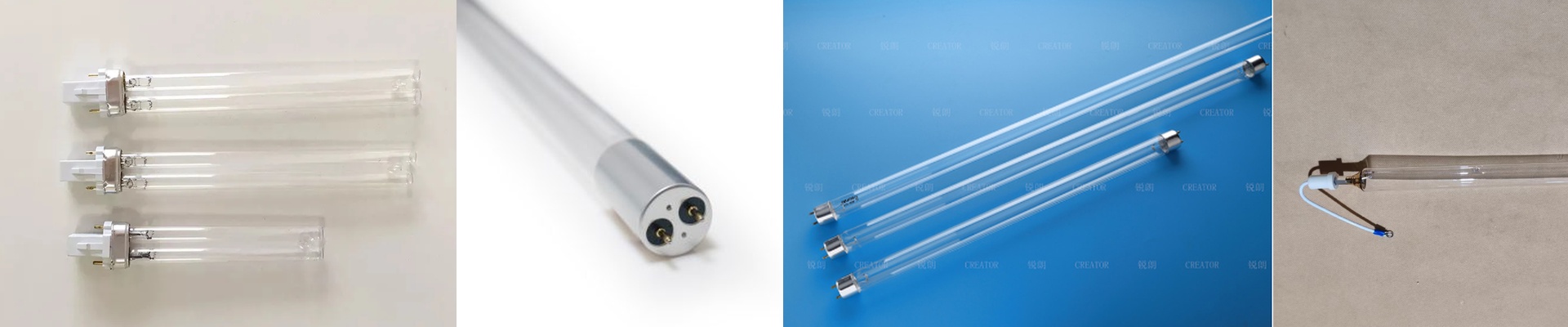
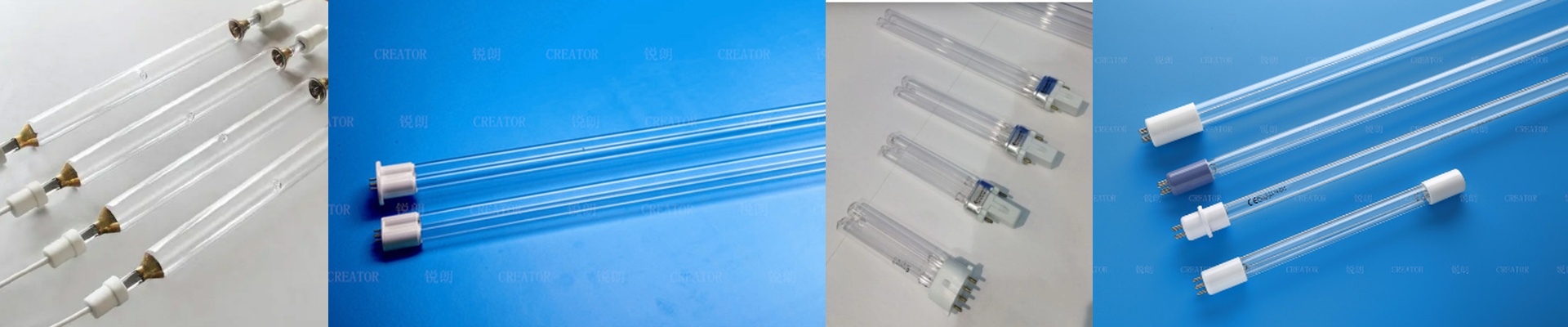
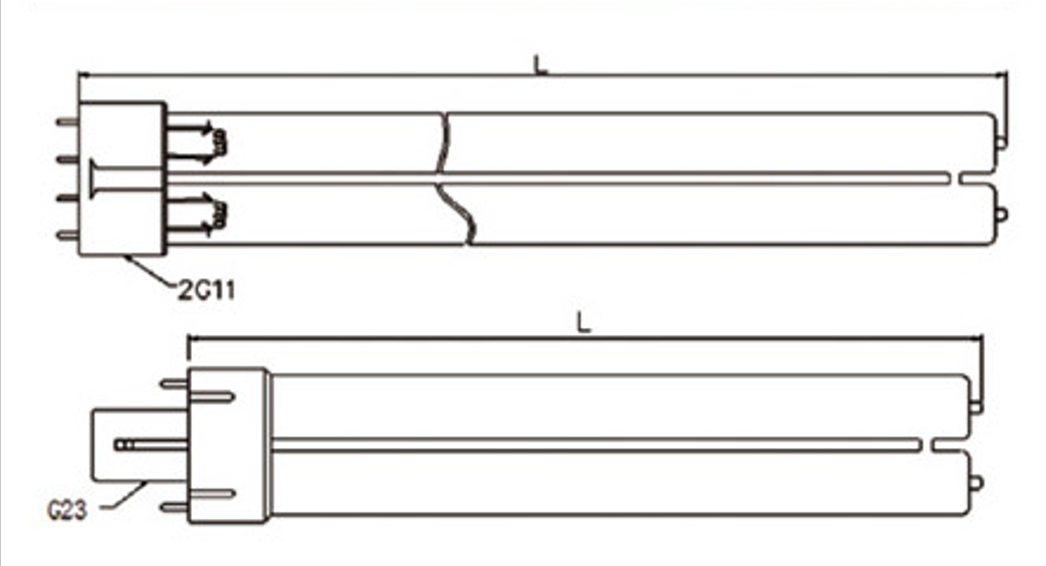
UVC lamps use quartz sleeves, plain and simple, because regular glass just swallows the germ-killing wavelengths. Those sleeves are often coated or treated to control output and keep things stable. Then you’ve got the socket interface—G5 (with its 5mm pin spacing) and G13 (13mm spacing). Their job is twofold: lock the lamp in the right spot and make sure the electrical contact is clean and repeatable every single time. G5 is your go-to for compact lamps where space is at a premium. G13 steps in for longer lamps that need more mechanical support. In both cases, clean, solid contact is everything. Bad contact leads to flickering, trouble starting, and uneven output. In environments where the lamp is switched on and off constantly, the socket has to resist oxidation and keep its spring pressure. That way, you can swap in a new lamp and it just works—no hassle, no guesswork.
Making It Work in the Real World
Whether it’s disinfecting water, air, or surfaces, the core requirement is control. You have to maintain the right dose even as the lamp ages. G5 and G13 sockets standardize the mounting, which keeps the lamp perfectly aligned with the sensor window. And that alignment? That’s what makes real-time intensity monitoring actually meaningful. But there’s a trade-off we can’t ignore. High-output UVC lamps throw off a lot of heat in a small space. The socket and the housing have to handle that thermal load, and the whole system needs proper cooling. If you pick a high-intensity lamp without planning how the heat will escape, you’re asking for trouble. You’ll get drifting output, lamps that burn out way too soon, and false readings that make you think you’re safe when you’re not. So, keep an eye on the intensity. Design for the heat. And stick with the socket interface that’s right for the job.