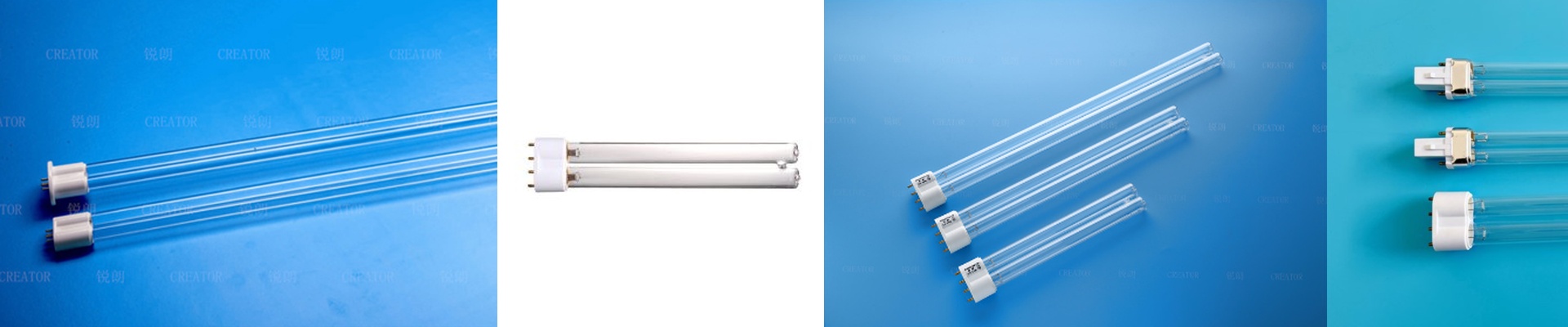
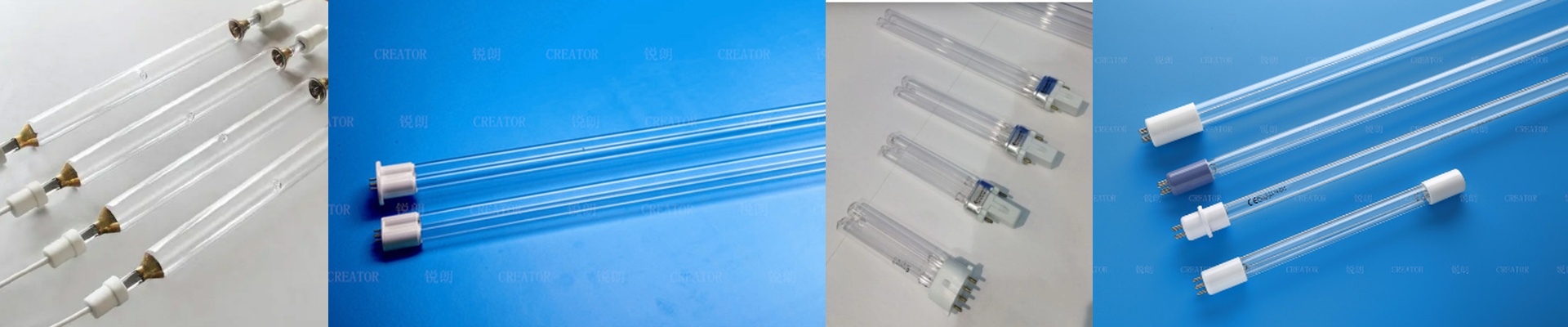
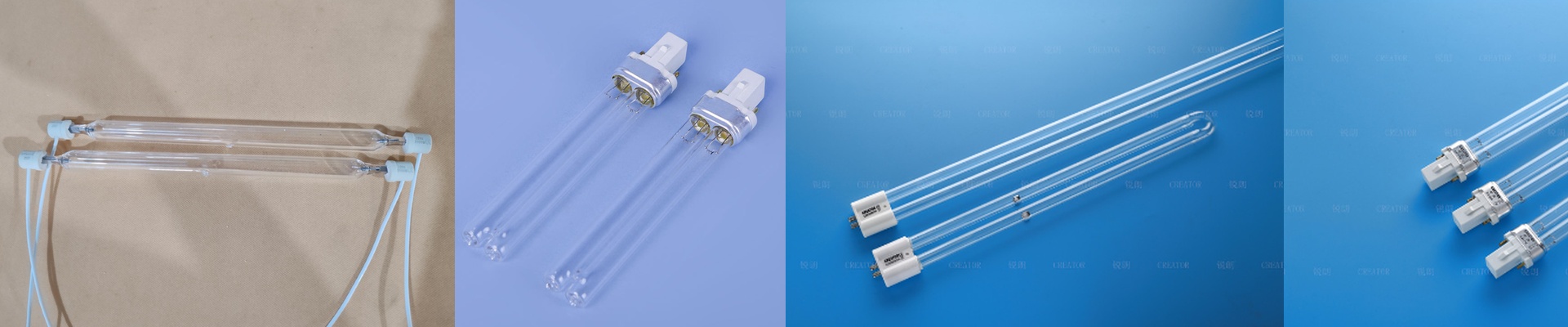
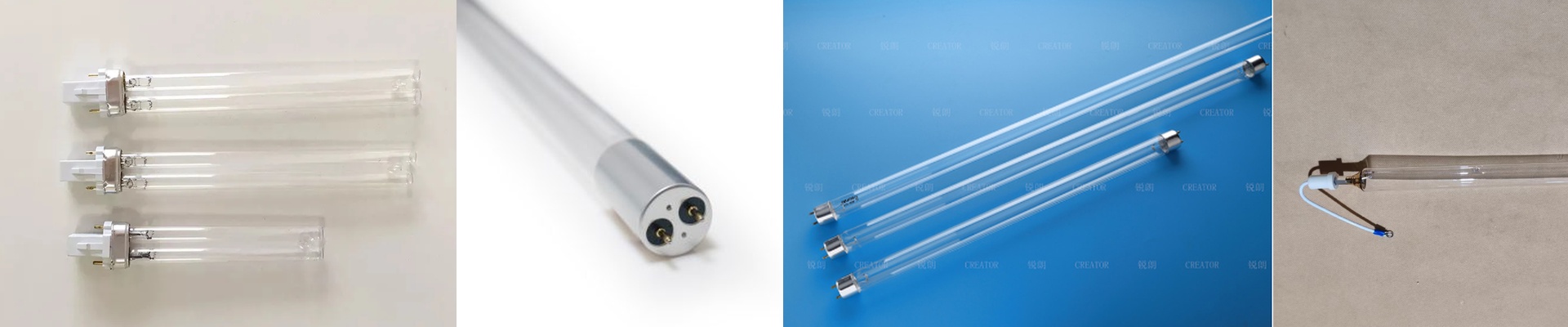
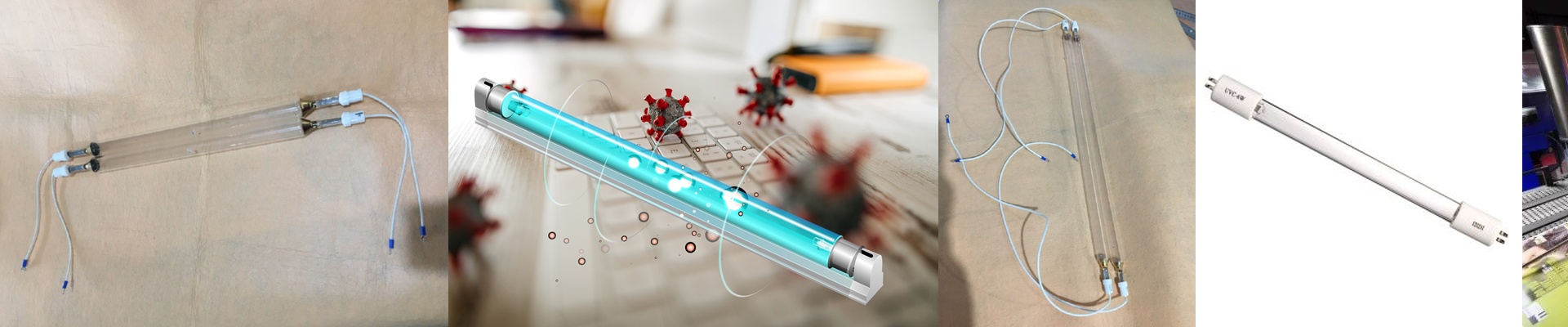
On the press floor, ambition is rarely the bottleneck. The limits are geometry—how much space you have around the curing window—and physics—how long the ink needs to cross-link. The question that shows up shift after shift is straightforward: how do you bump print speed by 30% when the machine footprint is fixed and the existing UV lamp module is already maxed out thermally and spatially? The fix isn’t a bigger conveyor or a longer dryer. It’s a modular UV lamp upgrade built around photoinitiator response and repeatable energy delivery. Replace the constraint with a tighter spectral match, higher peak irradiance, and a reflector system that puts more of the output right where the ink film needs it.
What actually matters when you’re curing on plastic
Plastic substrates make UV curing trickier. They transmit and absorb UV differently than metal or paper, and heat has to be managed so you don’t warp the sheet. The ink still cures the same way: the photoinitiator absorbs UV, radicals form, and the resin cross-links. If the spectral output is off, you can throw watts at it and still under-cure. We lean on three levers you can measure.
- **Spectral distribution:**With many plastic-compatible UV inks, the photoinitiator absorbs strongest near 365 nm. A mercury vapor lamp with solid 365 nm output gives you faster initiation. For thicker ink films or pigmented layers, broadening the spectrum to add 385 nm and 395 nm improves depth of cure without cranking up surface temperature.
- **Peak irradiance and dose uniformity:**Speed isn’t just total energy; it’s how fast the energy arrives. Higher peak irradiance speeds photoinitiator decomposition, so you hit the required dose sooner. A reflector with tight dichroic control concentrates the beam and keeps stray heat off the substrate.
- **Energy density stability over time:**Lamp output drops as the electrode ages. A modular design holds electrode temperature steady and minimizes that drift. In practice, you want a module that keeps dose consistent across the service interval so line speed doesn’t quietly drift downward. A modular upgrade is engineered to drop into the existing curing chamber envelope—same mounting footprint, same airflow pattern—while delivering more effective UV dose at the ink surface. That’s how you get more throughput without rebuilding the line.
Why this module hits the “more speed, same footprint” problem where it counts
This scenario is familiar: the press can register faster and run higher throughput, but the curing section holds everything back. You either slow down to avoid under-cured ink, or you run full speed and deal with adhesion and scratch issues. A modular UV lamp upgrade goes straight after the constraint.
- **Higher effective dose at the ink surface:**Boost peak irradiance and optimize the reflector, and the same dwell length delivers more energy density. That means faster cross-linking, so you can raise line speed and still clear the cure window.
- **Spectral tuning to the ink chemistry:**If your formulation is tuned for 365 nm, the module leans into that line. If you run thicker layers, you can choose a profile that adds 385–395 nm to push cure through the film. The payoff is a tighter match between lamp output and photoinitiator absorption.
- **Thermal headroom built into the module:**More output has to come with controlled heat. The module is designed around a stable arc zone and a reflector set that limits IR load on the substrate. You get more UV without the warping you can’t afford on thin plastics.
- **Service continuity:**Modular construction means the lamp and igniter assembly swap in with predictable alignment. That cuts unplanned downtime and keeps the curing window stable after maintenance. In practical terms, the upgrade path is clean: swap the lamp module, retune the speed curve, and lock in the new process window. The press doesn’t get bigger—it gets faster because the curing physics are better matched.
What to check before you spec the module
A modular upgrade is fast, but it’s not plug-and-play unless the surrounding system is ready. Here’s what to verify on the machine before you change the lamp.
- **Power supply and igniter compatibility:**Higher peak irradiance needs stable arc power. Make sure the existing ballast and igniter are rated for the lamp’s operating point. If the module calls for a different power envelope, update the power supply to avoid flicker, unstable spectral output, and premature electrode wear.
- **Cooling and substrate temperature control:**More UV output means more heat load. Check airflow, heat exchange, and temperature sensors. On thin plastics, you may need to adjust airflow distribution or add targeted cooling to keep the substrate within the material limit.
- **Reflector condition and alignment:**Efficiency is won or lost in the reflector. If it’s oxidized, scratched, or out of alignment, the dose at the ink surface drops—even if the lamp is strong. Replace or recoat the reflector when upgrading the lamp, or the upgrade won’t perform.
- UV dose measurement practice:Install or calibrate a spectral radiometer to measure irradiance and energy density at the ink surface. Without measured dose, you can’t set the new line speed with confidence.
- **Ozone management:**If the application is ozone-sensitive, confirm the module uses ozone-free quartz or has a properly managed venting path. Ozone generation depends on wavelength and quartz type, and it needs to be handled at the system level. There’s one trade-off that doesn’t go away: pushing output higher narrows the margin for cooling drift. You gain speed, but you have to lock down temperature control and keep the reflector in spec. That’s not a flaw—it’s the physics of moving more energy into a fixed space. If your target is a 30% speed increase without expanding the machine footprint, the most reliable route is a modular UV lamp upgrade that delivers higher, more spectrally targeted dose at the ink surface—with controlled heat and repeatable service life. Measure the dose, tune the spectrum, and run the press at the speed the chemistry can actually support.