Getting Your UV Sterilization Right for Printed Textiles
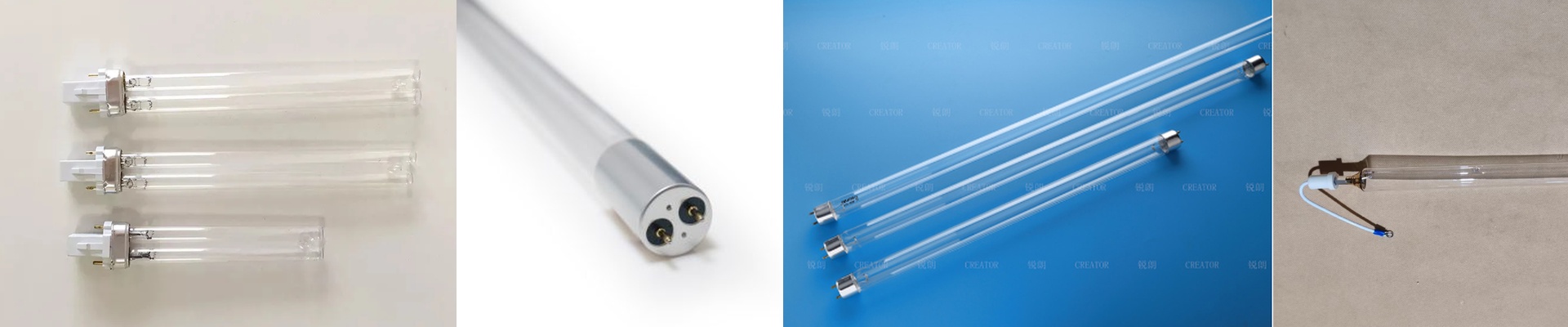
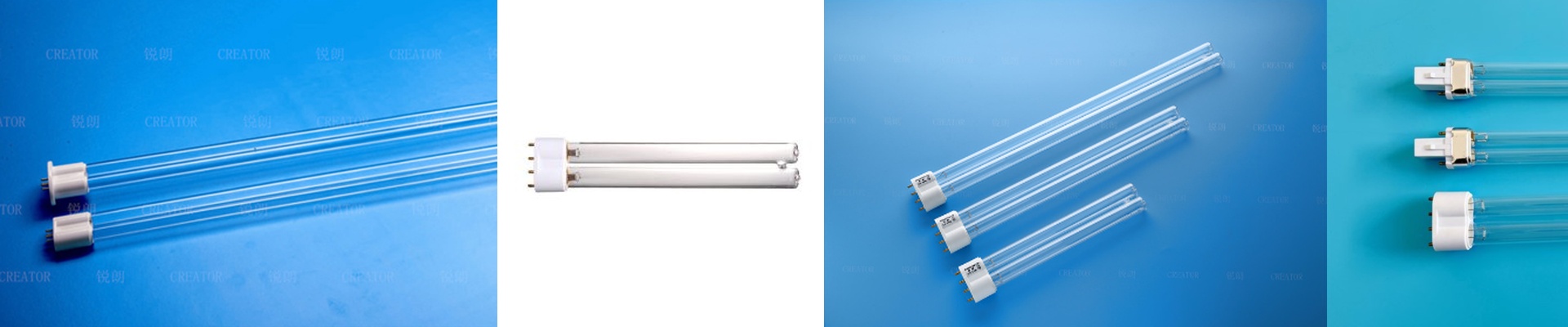
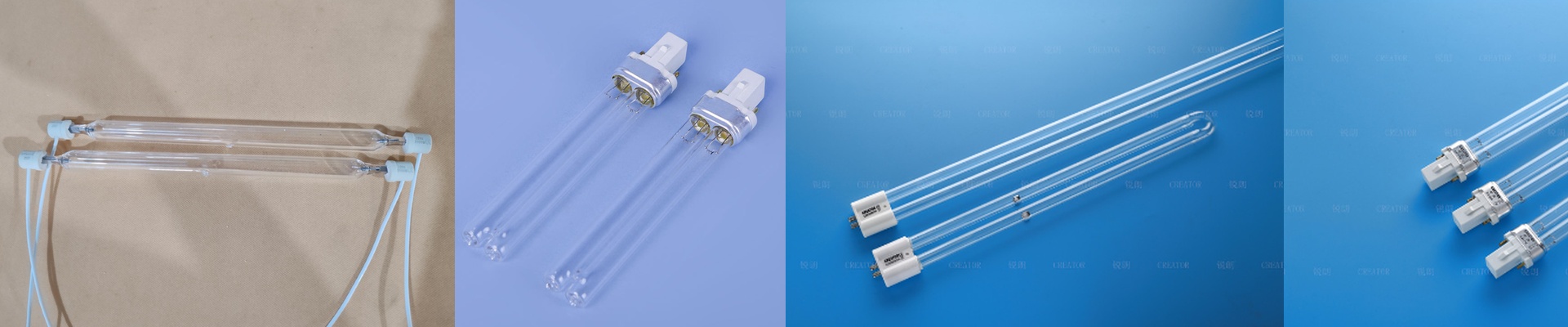
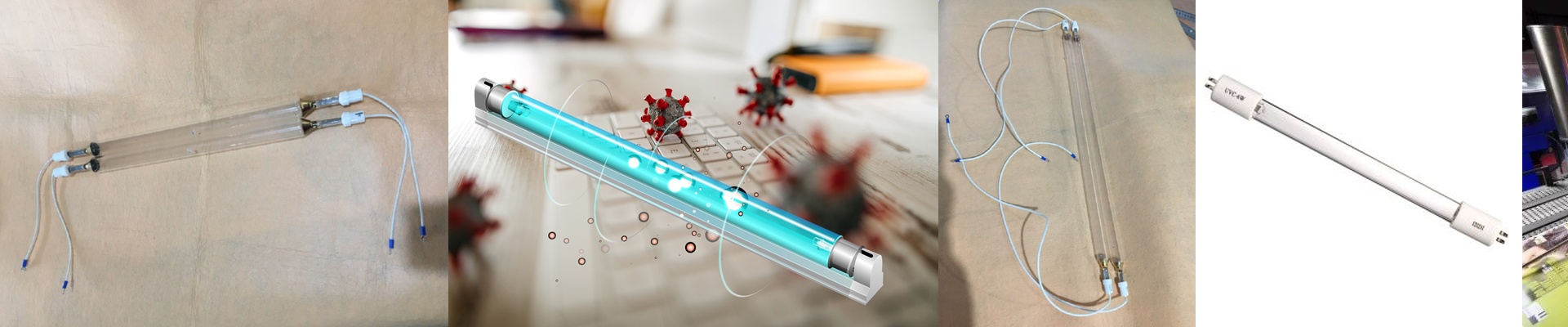
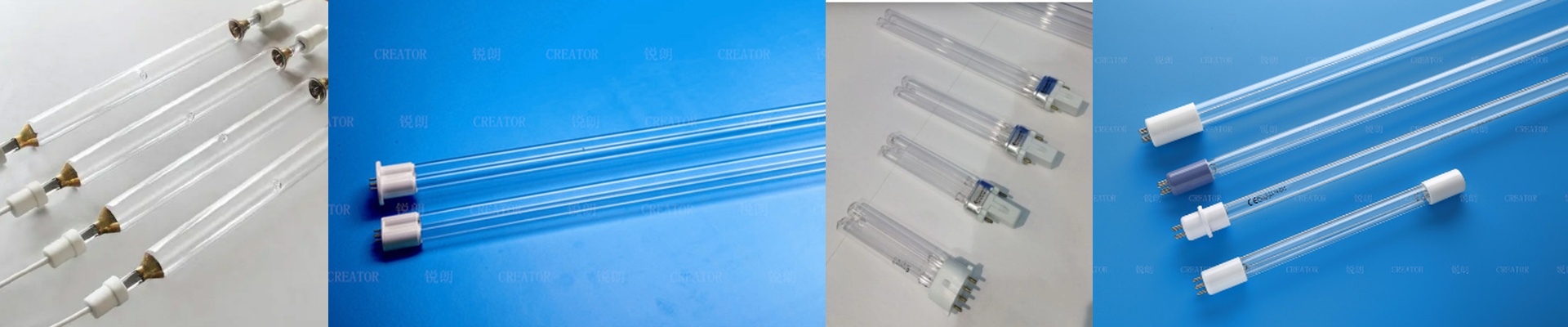
We make germicidal UV bulbs that do two things: they scrub contaminants off your fabric and make sure your ink actually sticks to the surface. When you order these in bulk, you’re not just buying a pile of lamps. You’re making sure your curing and cleaning stations actually stay consistent.
The Balance of Power and Speed
These bulbs live in the UVC spectrum, specifically hitting that 253.7 nm peak. That’s the sweet spot for killing germs. But here’s the trick: you have to balance your wattage with how fast your conveyor is moving. If your line is flying, the fabric doesn’t spend enough time under the light to get clean. But if you slow it down too much? You’re risking yellowed whites or fabric that starts to break down. It’s a bit of a tightrope walk.
Quartz and the Battle Against Dust
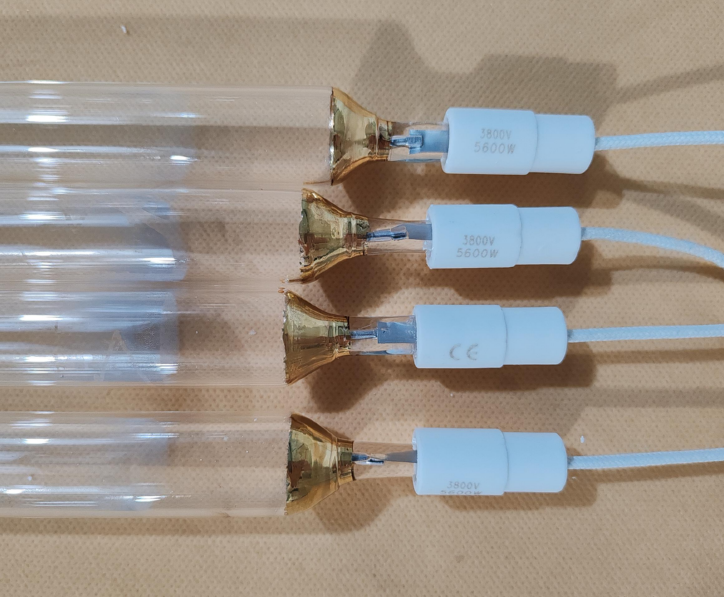
We use fused quartz because standard glass is basically a wall to UVC light—it just blocks it. Quartz lets the light through. Now, print shops are messy. Between the heat and the chemical fumes, these tubes take a beating.**Keep them clean.**Seriously. If you let dust build up on the quartz sleeve, your UV output can tank by 10-15% almost instantly. A quick wipe-down saves you a lot of headaches.
Setting Them Up Without the Drama
When you’re wiring these into a big array, stick with a 1:1 ballast-to-lamp ratio. It stops the flickering and keeps the bulbs from burning out way too early. One thing I see people do all the time is cramming too many lamps together to get more intensity. Don’t do that. It creates a “heat soak” effect. Even though these aren’t infrared heaters, a dense wall of bulbs still gets hot. If you don’t have your exhaust fans dialed in to keep the air moving, the lamps will overheat and die young. These are designed to be simple drop-in replacements for most standard fixtures. Just double-check your pin configurations before you pull the trigger on a bulk order so they fit your sockets perfectly.