Stop Overpaying for UV Bulbs That Die Too Fast
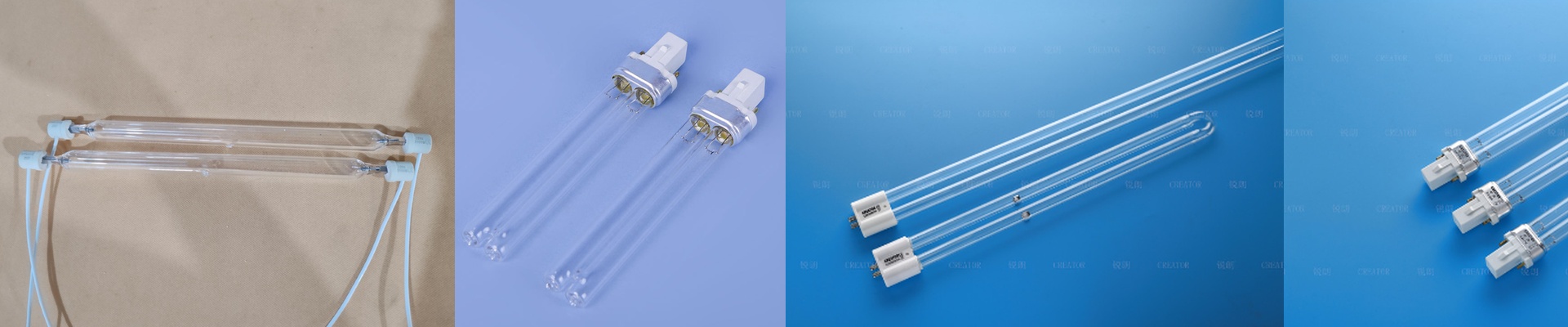
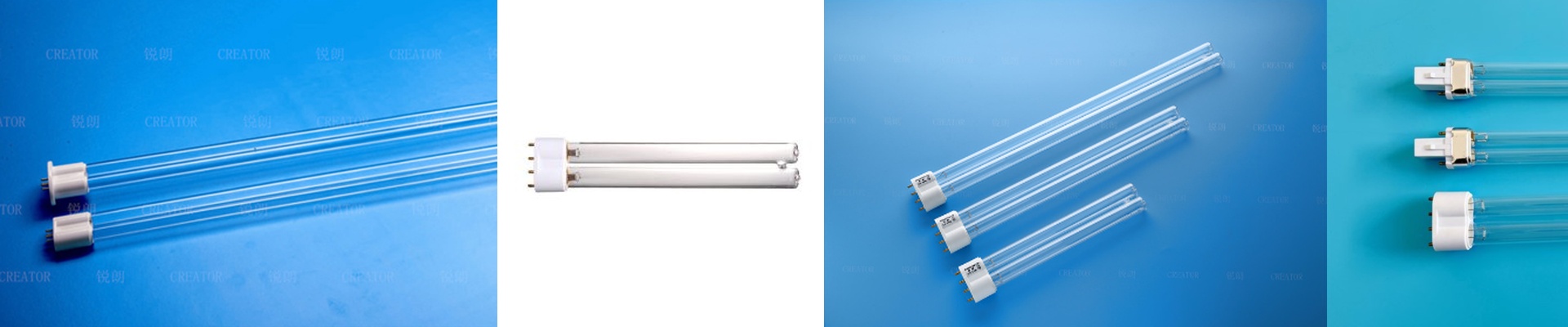
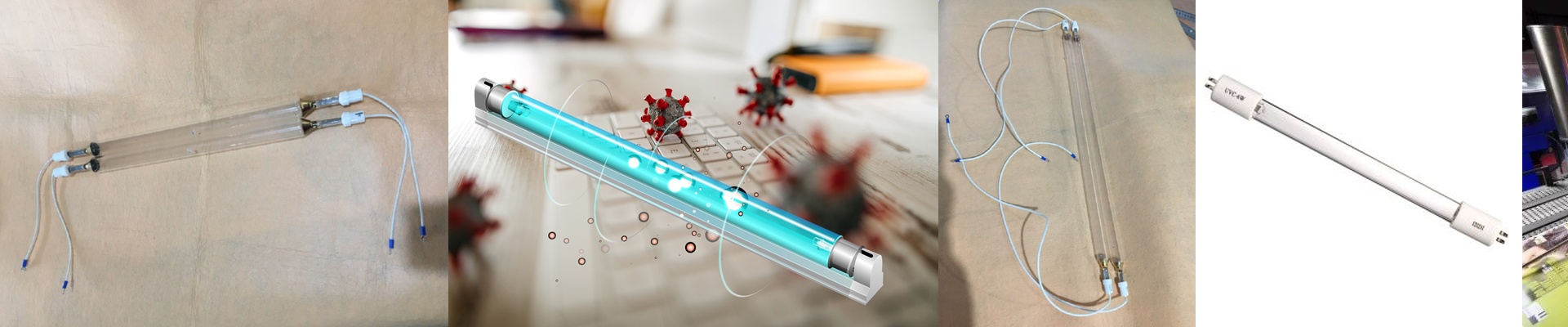
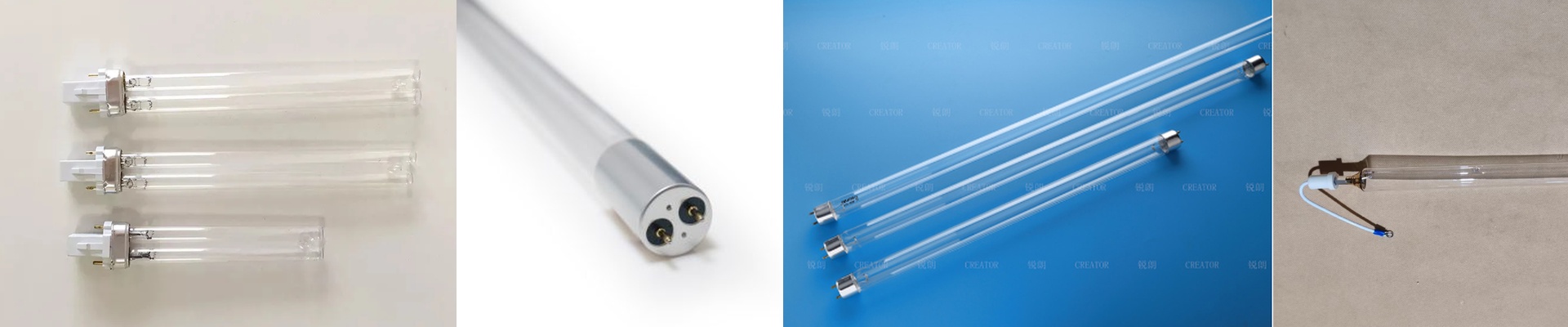
Most people buy germicidal UV lamps the same way: they look for the lowest price per bulb. But here’s the thing—that’s a trap. When you’re constantly replacing dead bulbs and dealing with hazardous waste, those “cheap” lamps end up costing you a fortune in labor and headaches. We decided to flip the script. We focused on the total cost of owning the thing, which means making bulbs that last longer and don’t poison the planet. Better materials, less junk. Standard UV lamps are often a nightmare to get rid of because they’re packed with materials that don’t belong in a landfill. We switched to high-purity synthetic quartz and eco-friendly filaments. This isn’t about chasing some “green” badge for the website. It’s about the reality of your facility. Less heavy metal means a cleaner waste stream and a lot less stress when it’s time for disposal. Plus, that quartz is specifically chosen so the 254nm UVC light actually gets out of the tube and does its job, rather than getting absorbed by the glass. Why they actually last. Usually, UV bulbs die because the electrodes wear out. It’s a slow burn. We tweaked the cathode chemistry to stop that emissive coating from evaporating so quickly. The result? You get way more hours of steady, reliable light before the output dips below what you need for sterilization. We also know these things live in rough environments. Whether they’re tucked into HVAC ducts or submerged in water treatment arrays, we reinforced the pins. No more worrying about oxidation when you’re swapping them out in a hurry. A quick word of caution. Look, these aren’t magic. High-output, long-life bulbs need a bit of a warm-up. If you’re flipping the switch on and off every few minutes, you’re going to kill the electrodes, no matter how good the materials are. These bulbs love to stay on. If your setup requires intermittent use, just make sure you’ve got a solid electronic ballast to handle the strike voltage. It’ll save your filaments from frying. If you’re running a plant and trying to hit zero-pollution targets, these are a simple win. They drop right into your existing setup, stay bright longer, and you don’t have to feel bad about the toxic footprint they leave behind.