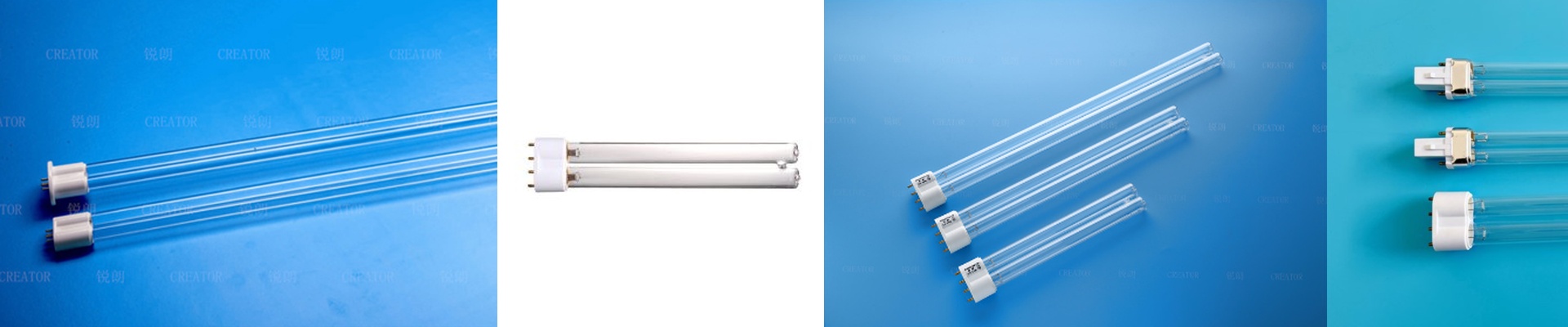
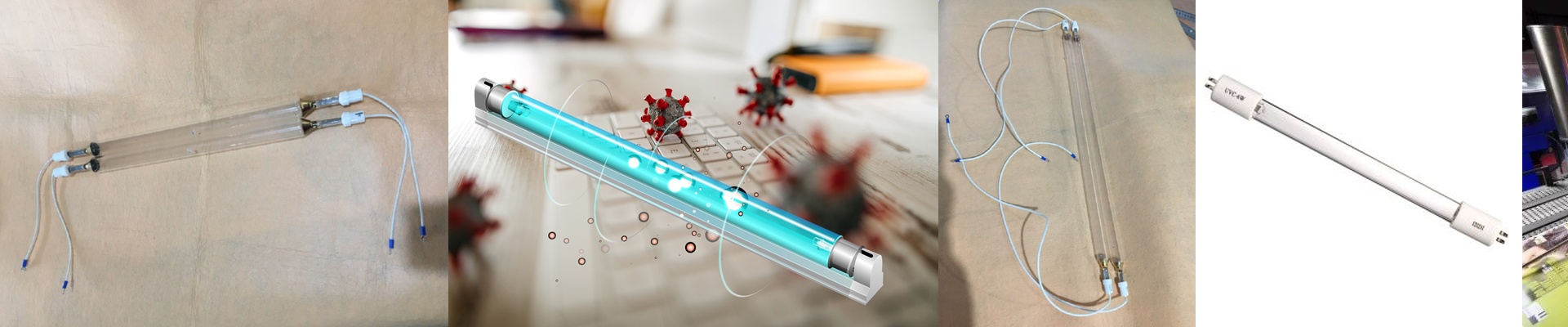
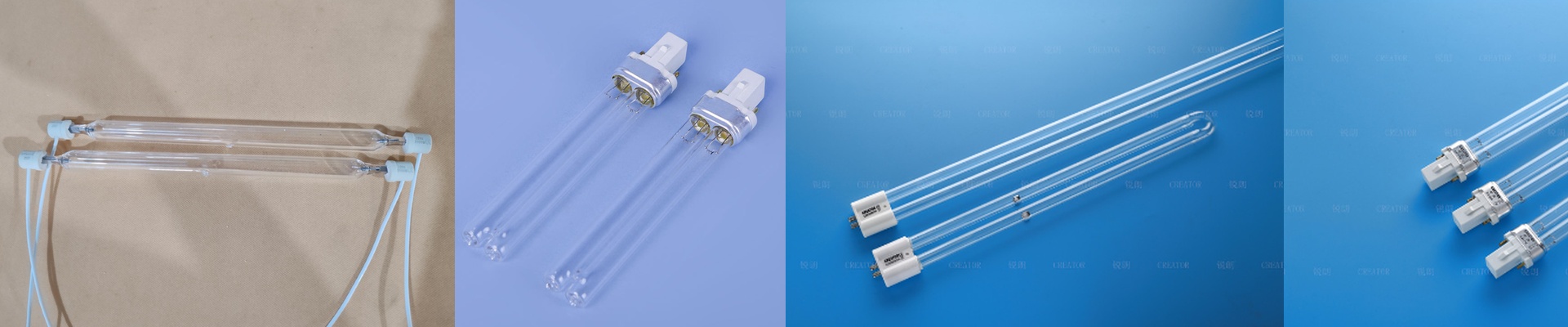
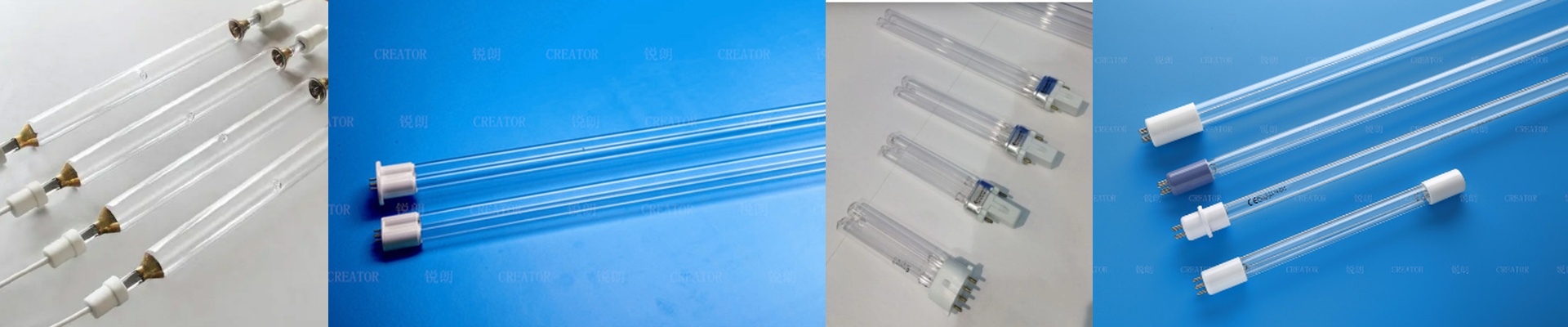
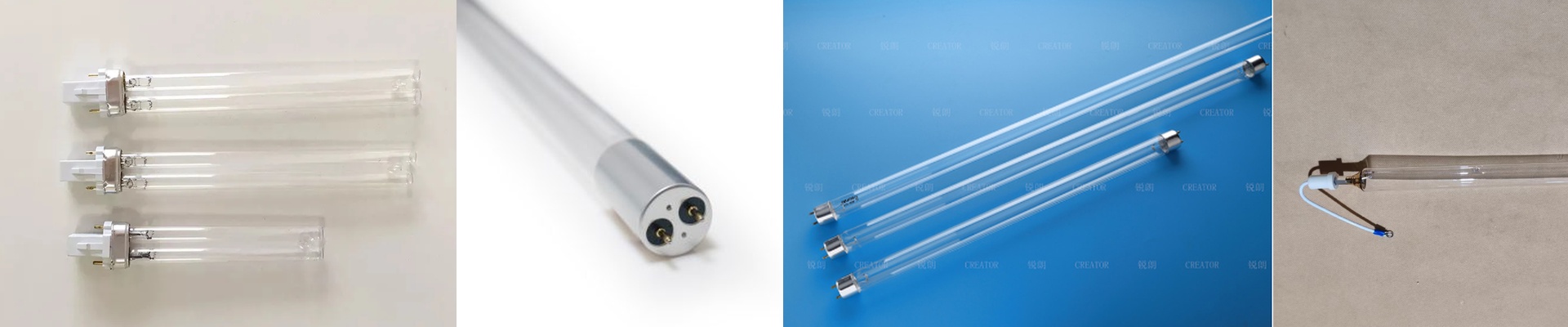
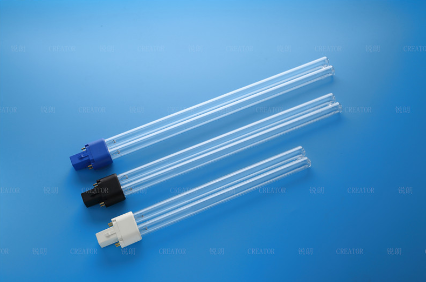
On the press floor, when a UV lamp goes down, it’s not just a stoppage. It kills cross-linking, wrecks ink adhesion, and turns good substrate into scrap. The old way—pull the rig, swap the lamp, re-align everything—costs an hour. Sometimes two. We built a modular UV lamp system to cut that out of the process.
What matters under the hood
At the heart is a high-pressure mercury vapor lamp, delivering stable spectral output at 365 nm and 385 nm. It’s engineered for a peak irradiance of 1200 mW/cm² right at the arc. A dichroic-coated reflector pushes more UV forward while keeping IR heat off the substrate. Power density is tuned to match photoinitiator absorption, so you get a full cure even at press speeds up to 600 m/min. Over the lamp’s 8000-hour rated life, output stability holds within ±2%, measured with a spectral radiometer at the substrate plane.
Why it holds up on shift
The quick-change interface ends the ritual. When a lamp hits end-of-life, you pop two latches, disconnect the quartz sleeve and electrical contacts, and drop in the new module. The reflector and connector geometry are pre-aligned, so the system comes back online in under two minutes. You regain uptime immediately, sidestep ink tack problems, and keep OEE where it needs to be. Energy use drops, too—thanks to the reflector geometry and the ozone-free quartz envelope, you get more usable UV per watt.
Practical notes you can’t skip
The module works with standard mercury-arc ballasts, but the lamp chamber has to stay clean and dry. Solvent vapors will accelerate quartz degradation. Before ordering, double-check your press voltage and connector pinout. At end-of-life, treat the lamp as hazardous waste because of the mercury. Recycle it through an approved lamp disposal program. And don’t even think about breaking the quartz envelope in-house.