Cleaning Up the Way We Make UV Lamps
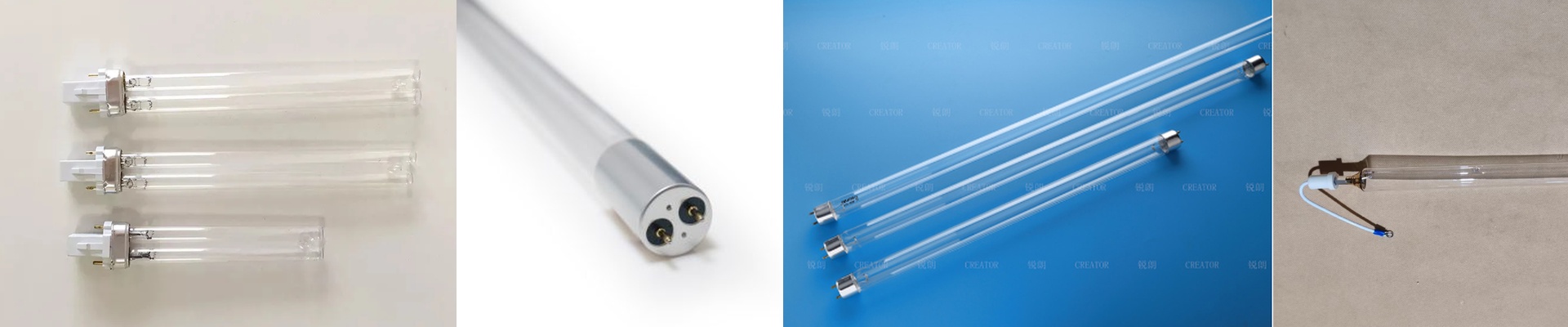
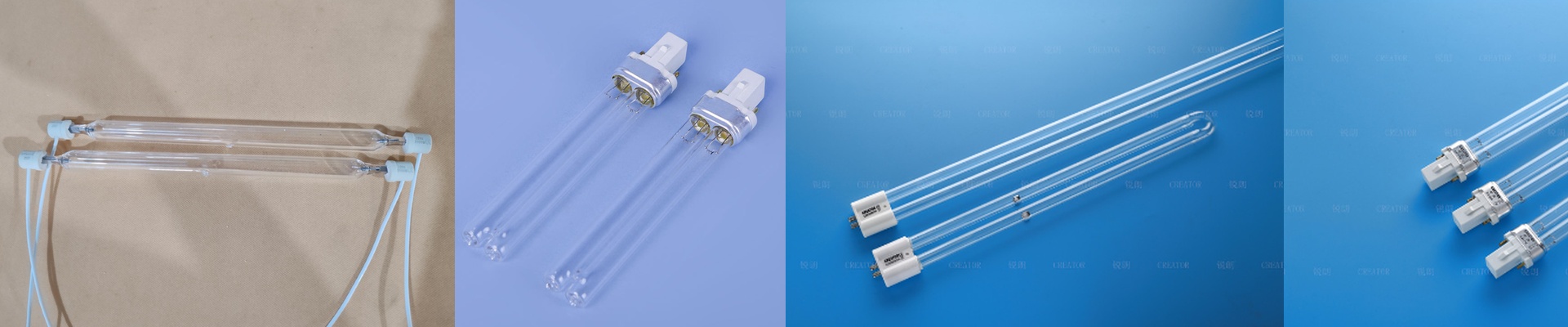
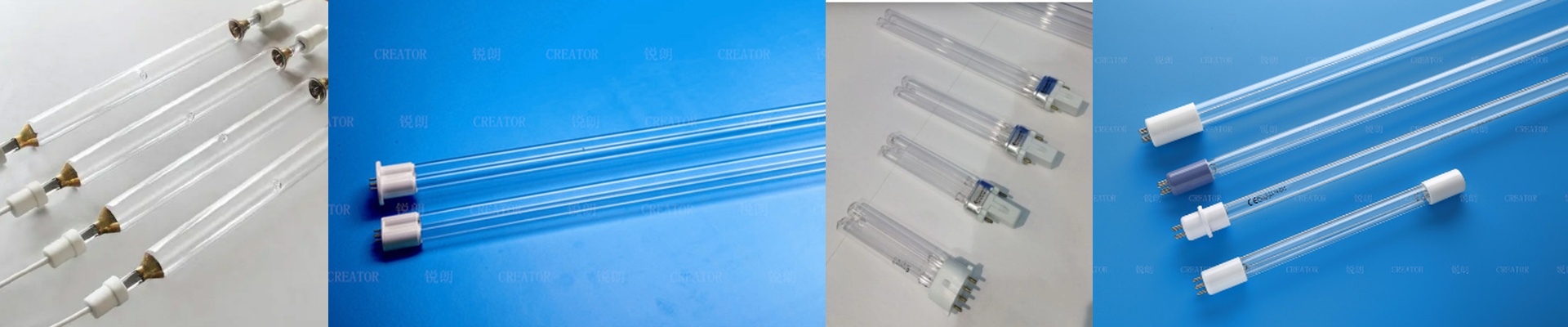
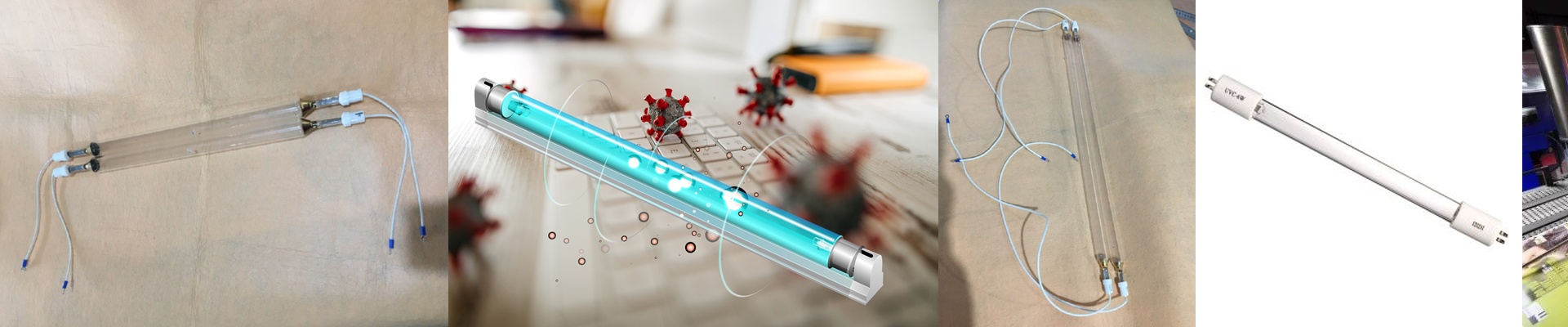
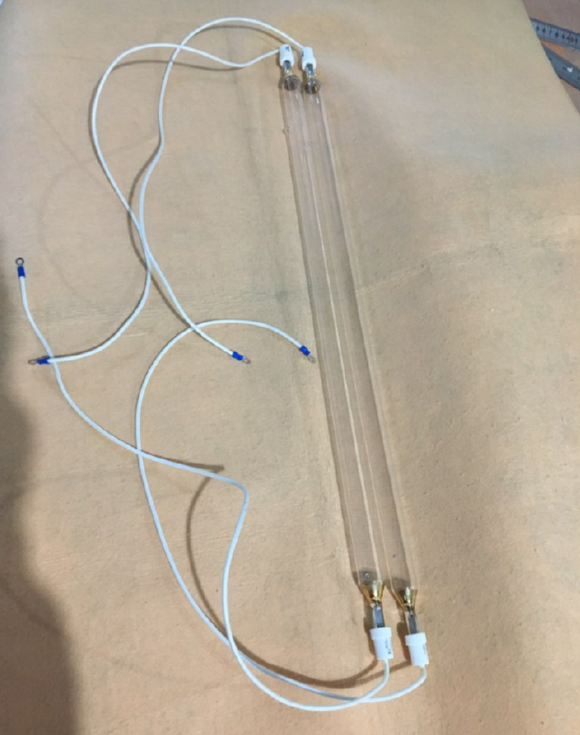
For too long, the industry has been obsessed with one thing: how much output can we squeeze out of a lamp right now? But that’s a short-sighted way to do business. Most of the wholesale UV lamps coming out of China still use old-school mercury-vapor designs. Sure, they work. But they also leave you dealing with a nasty stream of hazardous waste. We decided that wasn’t good enough. So, we tore down our lamp architecture and rebuilt it from the ground up, swapping out the toxic fillers for quartz and aluminum that you can actually recycle.
The Science (Without the Boredom)
The secret to a zero-pollution lamp is pretty simple: get rid of the mercury and the materials that pump out ozone. We switched to a high-purity synthetic quartz. Why? Because of something called solarization. If you’ve ever noticed your glass getting cloudy over time, that’s it. Once that happens, your UV output tanks. By cleaning up the quartz, we’ve pushed back that deadline, meaning your lamps stay clear and powerful for a lot longer. Basically, we’re aiming for a longer life between failures. Fewer replacements mean less junk heading to the landfill. It’s just common sense.
The Honest Truth About “Going Green”
Look, switching to eco-friendly materials isn’t a magic fix. There are trade-offs. If you’re moving to mercury-free UV-C LEDs or plasma lamps, the heat behaves differently than it does in a traditional tube. You can’t just rip out an old lamp and pop in a “green” one without double-checking your ballast first. And if you’re running high-wattage arrays, keep an eye on your electrodes. They get hot—really hot. If your cooling fans aren’t up to the task, you’re going to fry your electrodes, no matter how fancy the glass is.Airflow is everything here.
Making it Work on Your Shop Floor
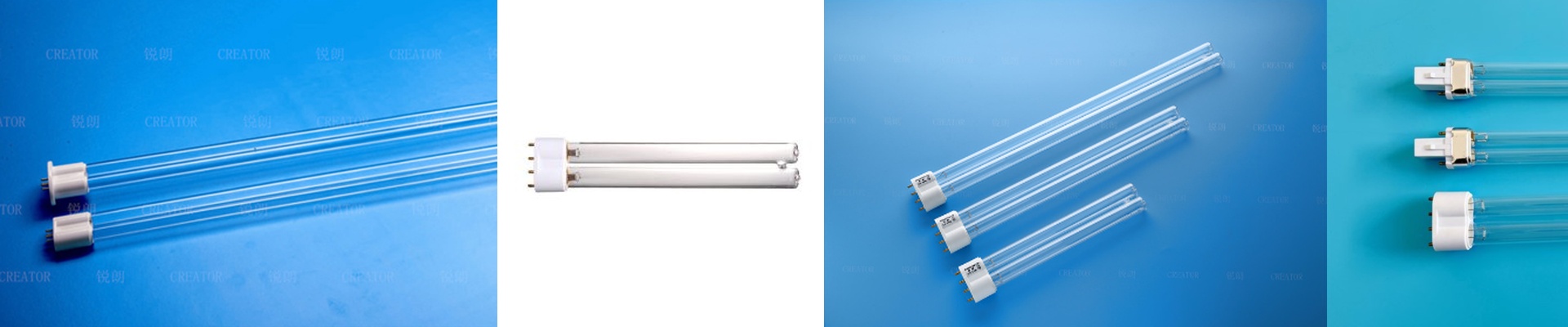
We know you don’t have time to rewire your entire curing line just to be more sustainable. That’s why we focused on standardized footprints. The goal is a simple drop-in replacement. You keep the same intensity (mW/cm²) you’re used to, but you stop worrying about the toxic overhead. You get a stable cure, your team stays safe, and you can actually hit those environmental targets without breaking your workflow.