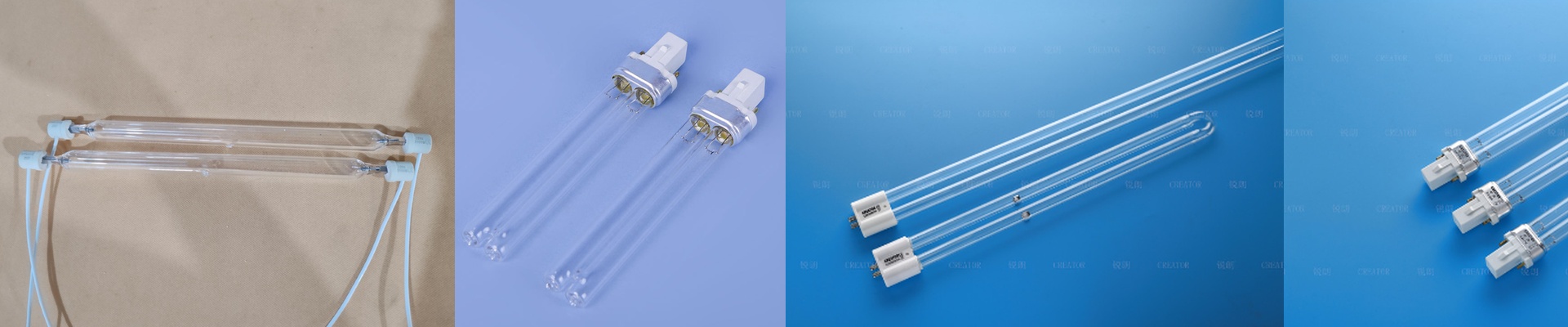
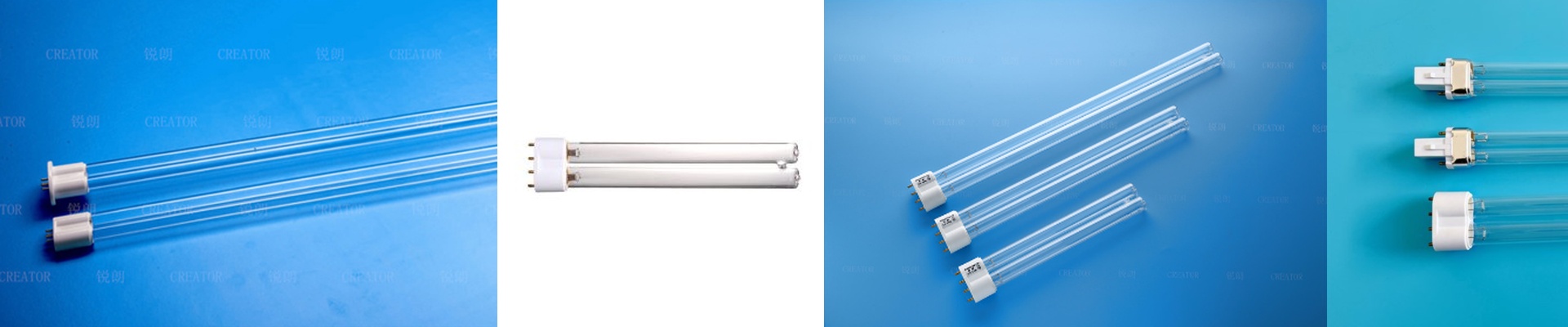
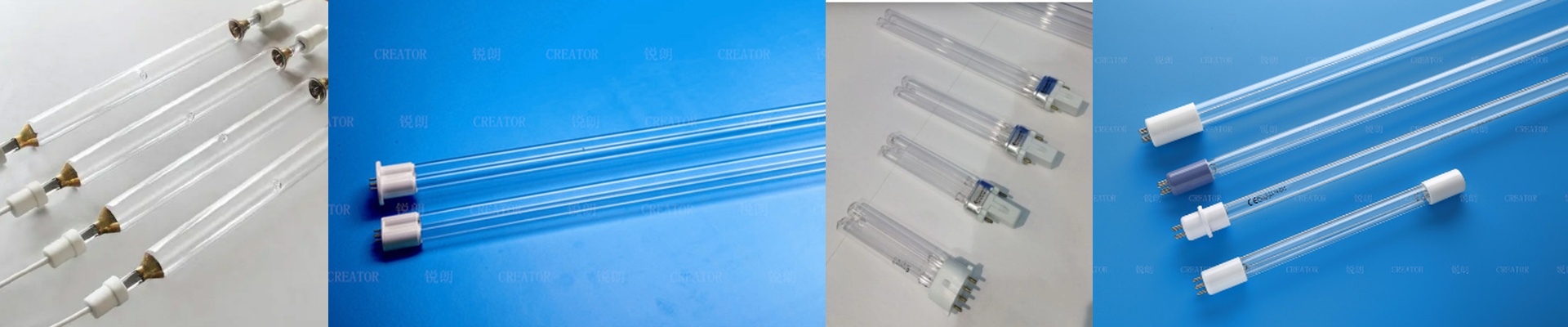
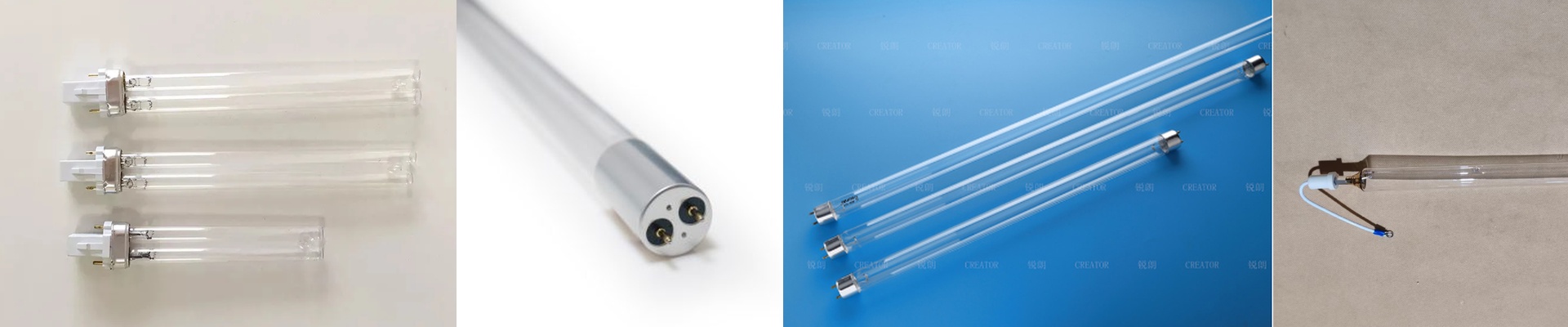
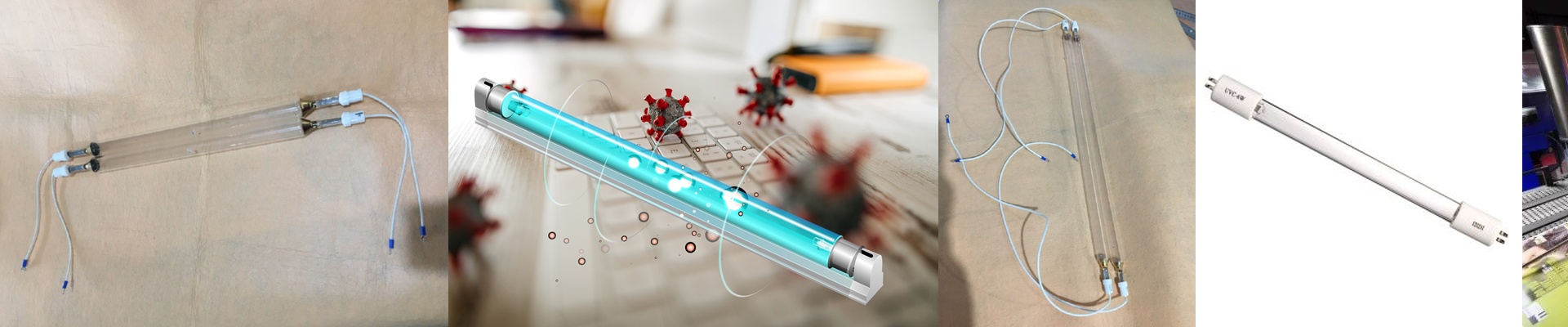
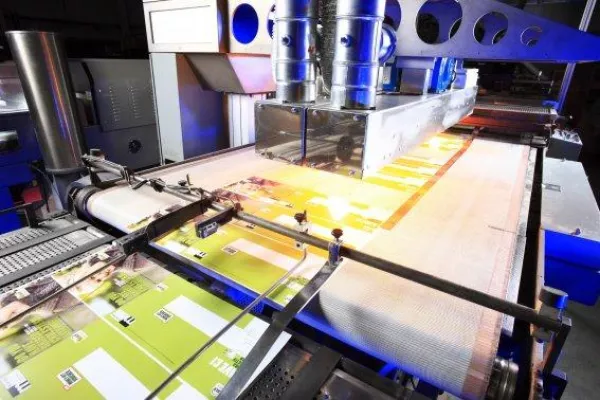
When shirt prints start cracking after a wash, the usual culprit is an under-dosed UV cure. On garment screen and flexo lines, the ink layer hasn’t fully cross-linked, so laundering just snaps the film. The answer isn’t more exposure time—it’s more effective irradiance, delivered at the wavelength that actually does the work. What actually matters under the hood Aqua Ultraviolet lamp bulbs are mercury-vapor, ozone-free units built around a stable spectral output centered on 365nm—the primary driver for photoinitiator decomposition in most UV inks. Peak irradiance at the substrate is what clears the surface cure fast and avoids oxygen inhibition, while energy density (mJ/cm²) controls depth. We spec a stable arc, reflector geometry tuned to the job, and a dichroic coating to push usable UV into the print window and keep wasted heat out of the process. Output stays repeatable across lamp life, so setpoints don’t drift from first strike to end-of-life. On garment lines, you have to fully cure through thick ink deposits and pigmented layers, then stack immediately without waiting. Aqua lamps deliver the dose needed for deep penetration, building a fully cross-linked matrix that stands up to wash abrasion. The payoff is fewer rejects, solid color density, and adhesion that holds after repeated laundering. You also get curing speed you can rely on, so you can run at line speed without constantly chasing marginal cure. Here are the practical details that keep it working. Match the lamp to your reflector and fixture. Output drops when the reflector degrades, when lamp-to-substrate distance changes, and when the power supply has ripple. Install only in equipment rated for the lamp’s wattage, ignition method, and connector type. Don’t guess the cure—verify it with a radiometer. Running outside the rated envelope shortens lamp life and cuts spectral output.