Stop Your Interior Parts From Warping
Ever pull a part out of the mold only to watch it slowly twist and bend right in front of you? It’s frustrating. That “spring-back” happens because the material is still fighting itself—internal stresses that never got smoothed out during heating. Most people try to fix this with bulk heating, but that’s where the trouble starts.
The problem with “even” heating
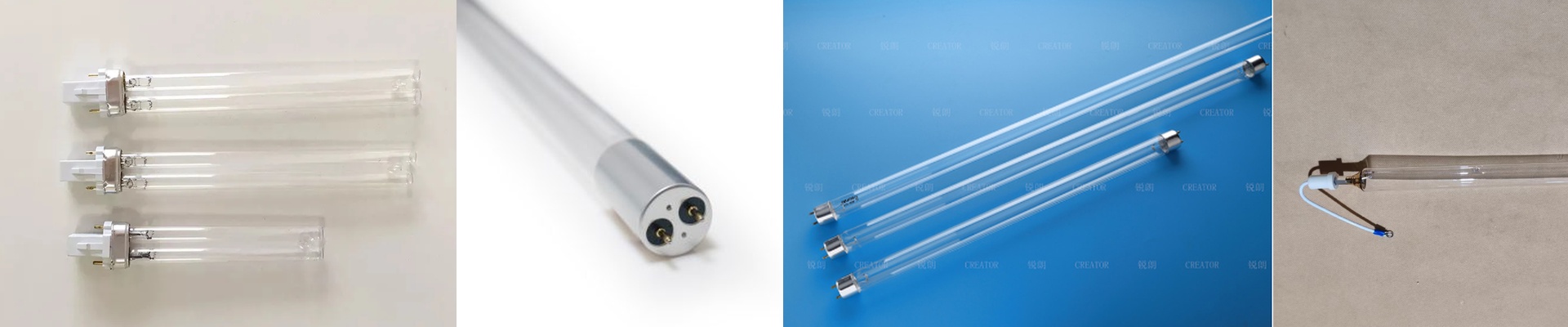
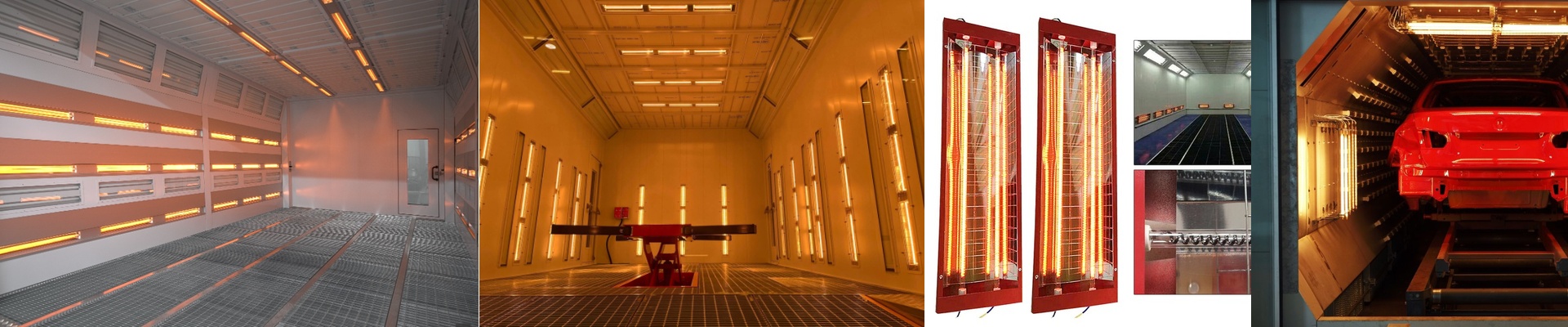
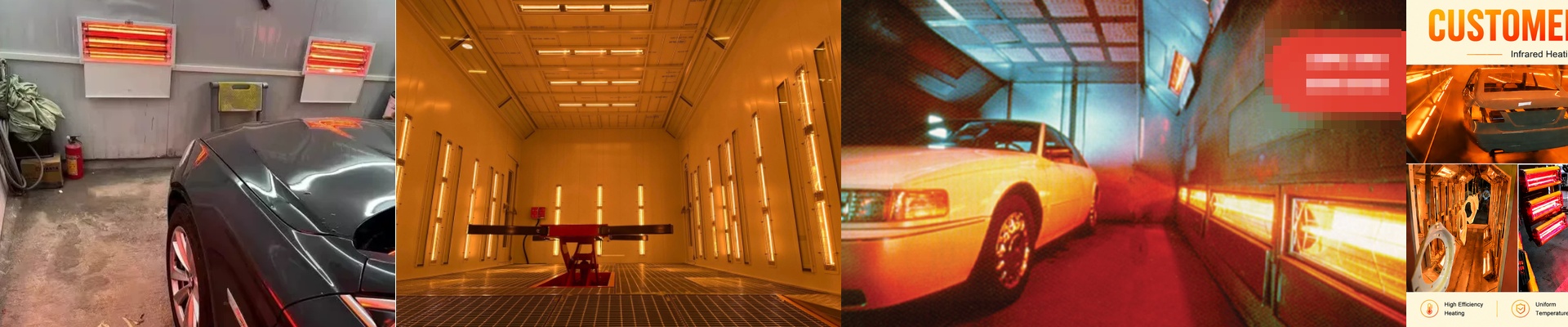
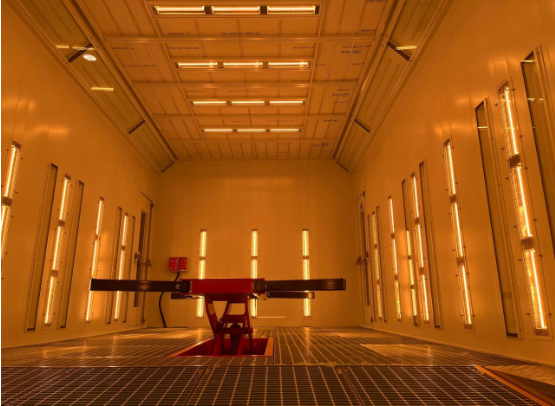
Here’s the thing: in a complex car part, “even heating” is basically a fairy tale. You’ve got thin walls that overheat in seconds while the thick ribs are still cold in the middle. That’s why we use zonal infrared (IR) control. Instead of one giant heat source, we use partitioned banks. You can tweak the wattage and the distance for each specific area. The goal is to get the whole part to that sweet spot—the glass transition temperature—at the exact same time. No hot spots, no cold spots, and no warping once the part hits the air.
Getting the shape to actually stay
If you want those tight tolerances to actually hold, you have to get rid of the residual stress. Short-wave IR is a beast because it sinks into the polymer way faster than just blowing hot air around. We spend a lot of time dialing in the ramp-up and the “soak” time. When you get the heat flux just right, the material relaxes. It doesn’t burn or degrade on the surface; it just settles. You end up with a part that actually stays where it’s supposed to.
The real-world trade-offs
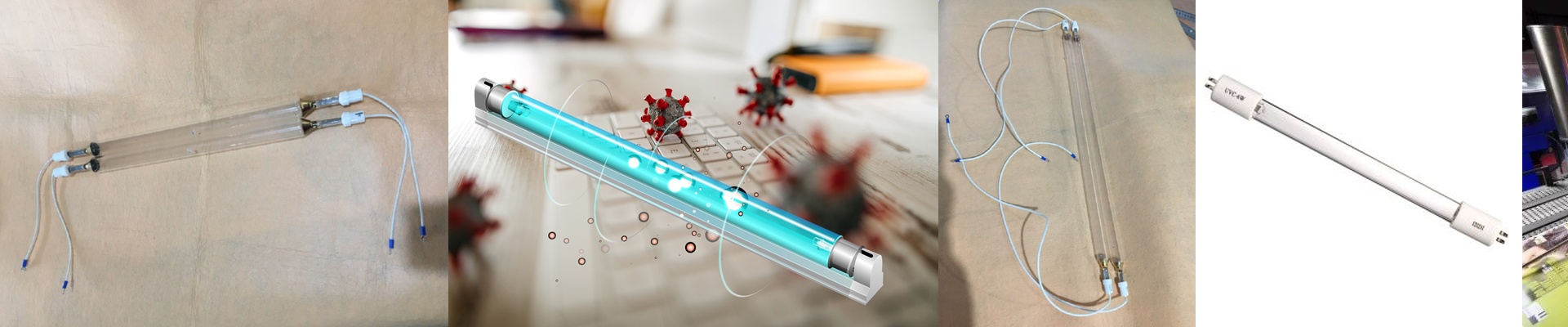
Now, this isn’t magic. High-intensity IR arrays pull a lot of power, so make sure your electrical panel can handle the load. You’ll also want to keep a close eye on your PID controllers. If they aren’t tuned, you’ll overshoot your temp and ruin the part. And a pro tip: your cooling has to keep up with your heating. If the part stays warm too long after forming, it’ll sag. We usually pair the IR setup with a high-pressure air blast to lock everything in place instantly. One last thing—use high-temp cabling. Trust me. You don’t want your insulation melting because it’s too close to the lamp heads. It takes a bit more setup than a standard oven, but it kills the deformation issues and shreds your cycle times.