Getting Your IR Emitters to Actually Work with Your Brake Pads
Here is the thing about brake pad ovens: you can’t just throw a generic infrared setup at every pad that rolls down the line. If you try to treat a ceramic pad the same way you treat a semi-metallic one, you’re going to have a bad time. It all comes down to how the material handles heat. If the wavelength of your IR doesn’t “click” with the material, the heat just bounces right off the surface. It’s like trying to warm up a mirror—you aren’t actually heating the object; you’re just wasting electricity.
The struggle with absorption
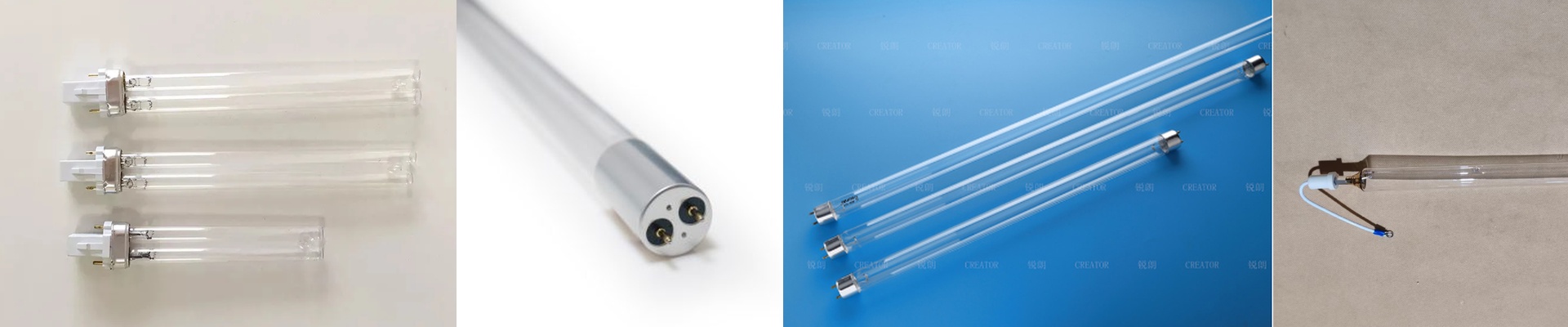
Ceramic pads are stubborn. They tend to reflect a lot of that IR energy. Semi-metallic pads, on the other hand—with all that steel and copper—soak up heat like a sponge. That’s why we don’t just use one type of emitter. Depending on what you’re running, we might go with short-wave, medium-wave, or long-wave coatings. If you just stick with a standard clear quartz tube on a ceramic surface, you’ll start seeing “cold spots” right in the middle of the pad. Not ideal.
Tuning the heat
We spend a lot of time tweaking the spectral output so it hits the sweet spot of the coating resin. For those ceramic lines, we usually lean into shorter wavelengths. It’s the only way to force the heat to actually penetrate deep into the material. But for semi-metallics? We have to dial back the power density. Otherwise, you’ll end up scorching the surface before the inside is even warm. Then there’s the electrical side of things. You have to balance your wattage and voltage to keep the temperature steady as the pads move along the belt. Sure, high-wattage tubes get the job done fast, but they’re heavy on your power grid. You’ve got to make sure your wiring and contactors can handle that initial surge when you flip the switch, or you’re looking at a burnout.
The trade-off
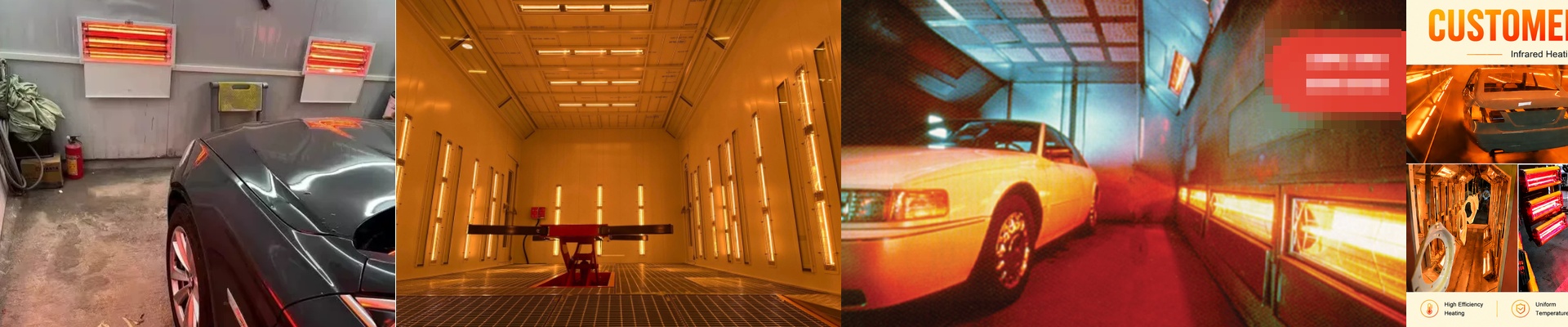
It’s tempting to just crank up the heat density to speed up production. More heat equals more pads per hour, right? But there’s a catch. All that extra energy has to go somewhere, and usually, it goes into your oven chassis. If you’re pumping massive kilowatts into a small space, your fans and vents need to be working overtime. If the oven shell gets too hot, things start to get messy. Conveyor guides can warp, and sensor cables can fry. To keep things from melting down, we usually suggest a staged heating approach. It’s a bit gentler on the pads and keeps the whole system from going into thermal shock.