Stop the Cracks: A Better Way to Cure Brake Pads
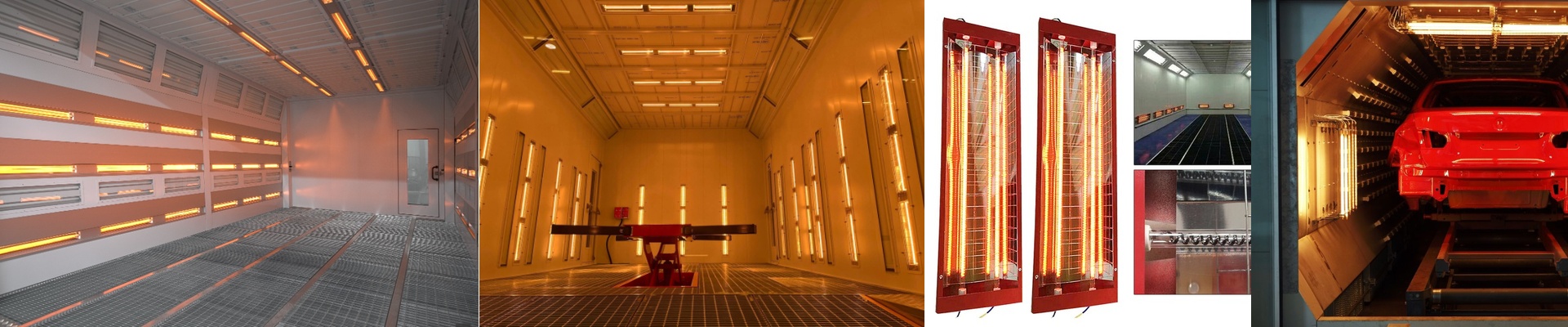
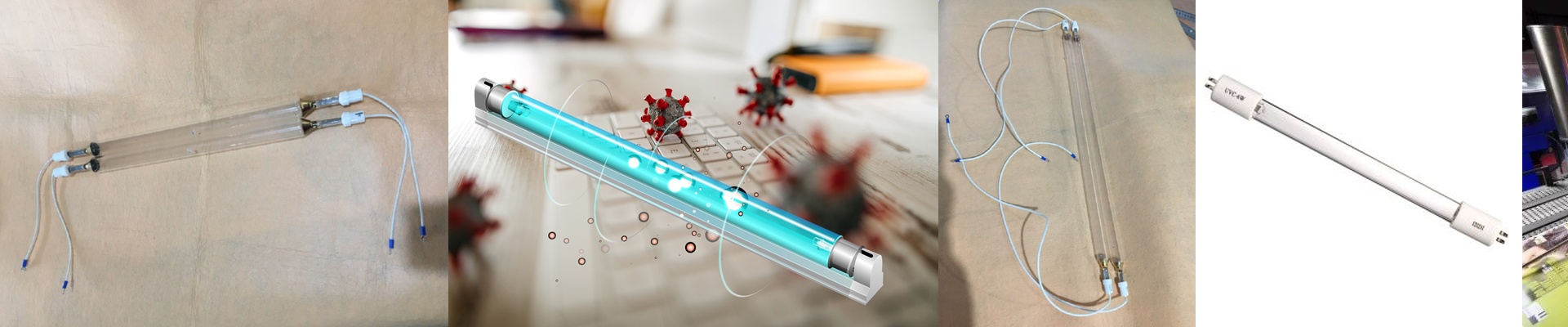
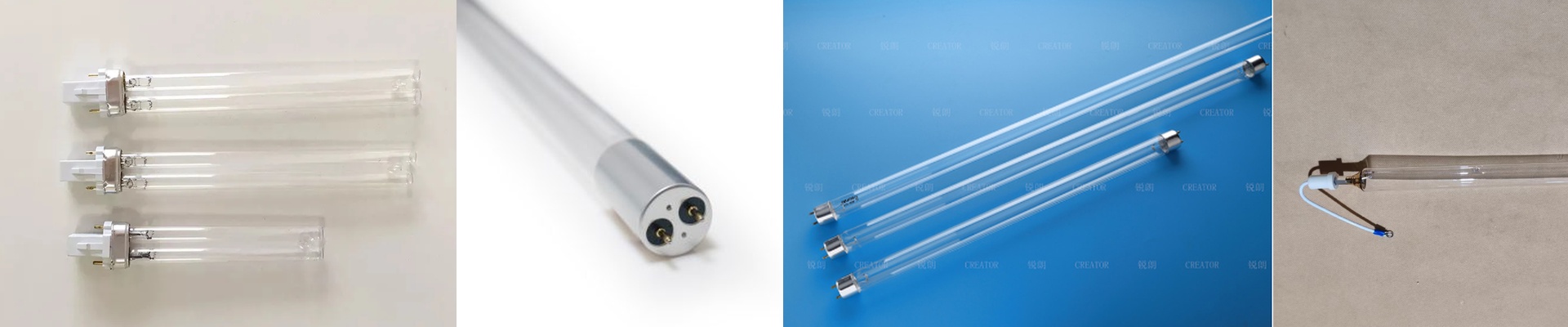
Curing brake pads is a bit of a balancing act. If your temperature spikes or ramps up too fast, the resins basically panic and gas off all at once. That creates a ton of internal pressure, and before you know it, you’ve got porosity and surface cracks all over your parts. We deal with this using shortwave infrared (IR) lamps. Instead of just heating the air like a standard oven—which usually just “skins” the outside while the inside stays cold—IR heat actually penetrates deep into the material. Getting the heat right The secret to stopping those cracks is all in the ramp-up. You can’t just blast it. With our IR lamps, you can tweak the heat flux on the fly. By playing with the wattage and the distance from the pad, you control exactly how the material breaks down. If you push too many watts too early, you’ll scorch the surface while the core is still freezing. That temperature gap is exactly what makes the material snap. Keeping that delta small is how you keep your pads intact. The gear under the hood We use high-purity quartz for our lamps because it lets the IR light through without fighting it. The filaments are specifically tuned to the way friction materials absorb heat. Depending on how fast your line is moving, you can pick the power density you need. Thick pads need a bigger punch, so you’ll want high-wattage tubes. Just a heads-up: make sure your cooling fans are up to the task. If the housing gets too hot, that quartz can warp, and nobody wants that. Why it actually matters When you get the curing right, the voids disappear. The pad becomes denser and tougher. It means when a driver slams on the brakes, the pad doesn’t just crumble under the pressure. You get a solid, uniform cure from the backing plate all the way to the surface. But remember, IR is fast. Like, really fast. If your sensors are off by even a little, you can overshoot your target temp in seconds. You need a tight feedback loop to keep things under control.