Stop Your Interior Parts From Warping
Ever pull a piece out of the mold and watch it slowly shift or pop out of shape right in front of you? It’s frustrating. That “spring-back” usually happens because the plastic didn’t heat up evenly or it cooled down way too fast. You’ve basically trapped a bunch of stress inside the material, and the second it’s free, it tries to fight its way back to its original shape. We’ve found a way to stop that fight using zoned infrared (IR) emitters.
Why “One Size Fits All” Heating Fails
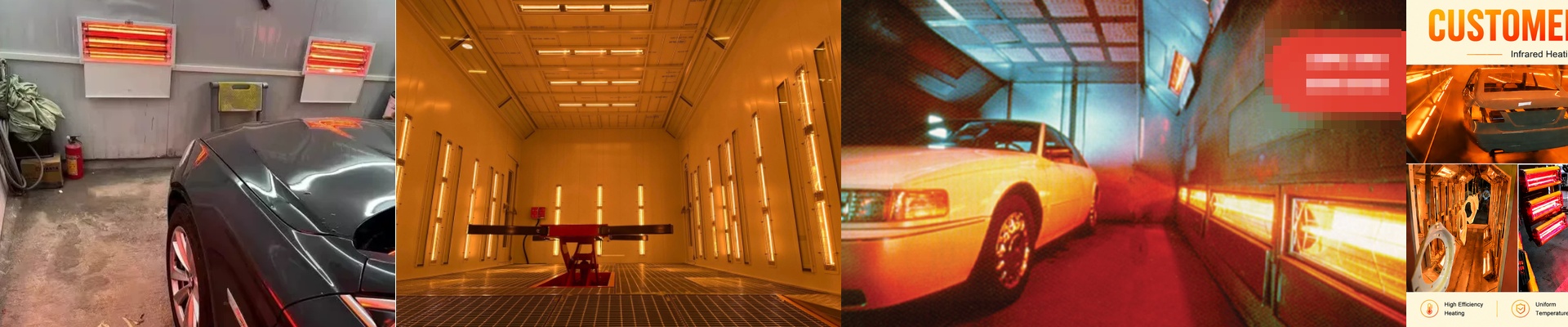
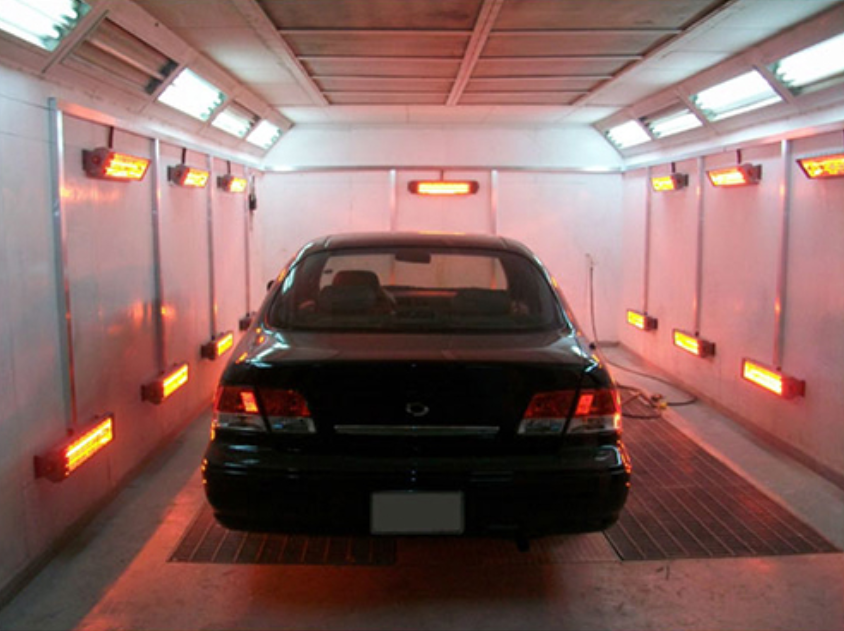
Most people start with standard heating blankets. They’re fine for simple shapes, but they just can’t keep up with complex parts. You end up with a “heat soak” that’s too broad. Here’s the secret: you need independent heating zones. By tweaking the power to specific spots, you can make sure the deep-draw areas and tight corners hit that perfect glass transition temperature. Meanwhile, the flatter sections don’t get scorched. When the heat is balanced, the material doesn’t pull unevenly. No uneven pull means no warping. Simple as that.
A Quick Word on Gear
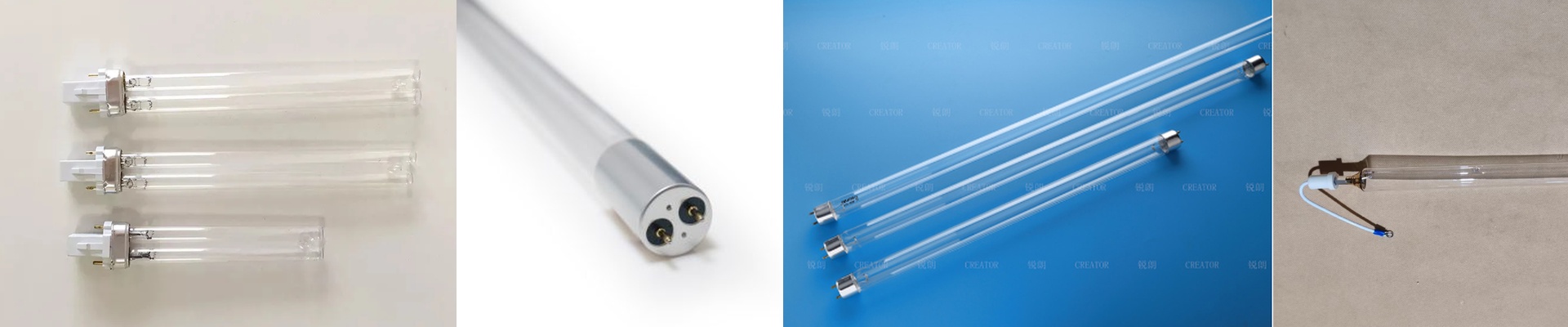
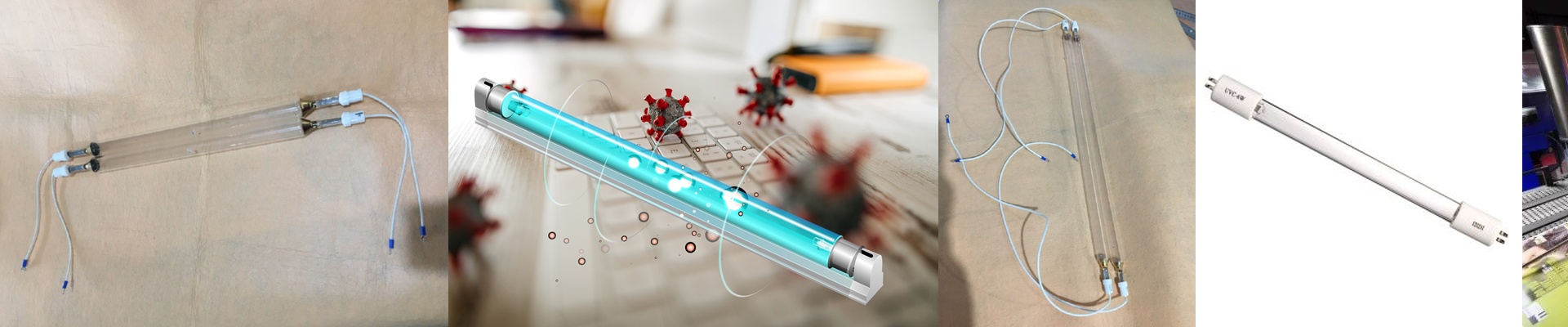
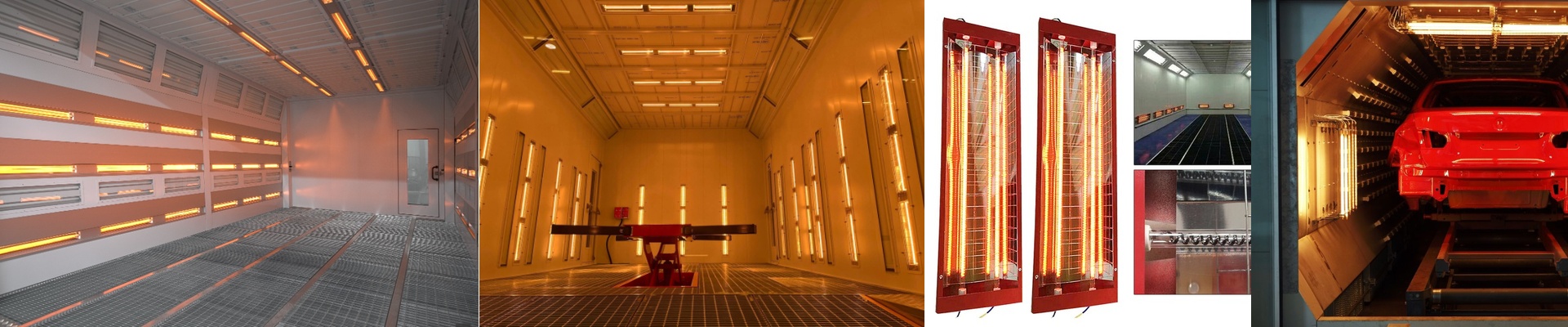
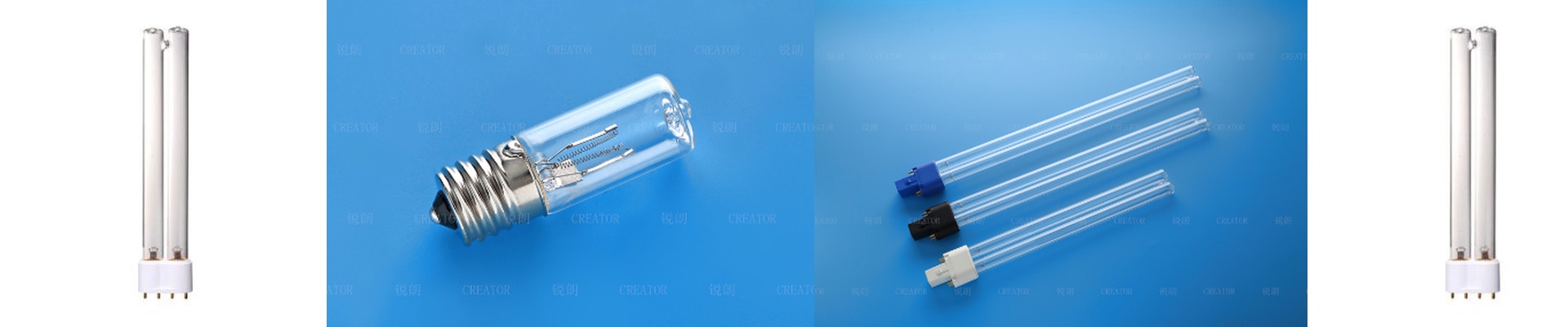
We usually lean toward short-wave or medium-wave quartz emitters. If you want to slash your cycle times, go short-wave—they hit the material fast. But be careful. High-wattage emitters put out a massive amount of heat. If your cooling fans and heat sinks aren’t up to the task, your enclosure will just turn into an oven. Once that ambient heat builds up, your temperature setpoints will start drifting, and you’re right back where you started.
Getting Those Lines Perfect
If you want to kill the spring-back for good, you have to let the material fully relax. I recommend a staged approach. Start with a quick ramp-up to soften things, then move into a zoned hold to let the part stabilize. The best way to handle this is to wire your emitters into a PID controller with its own thermocouples for every zone. It lets you map out the heat based on the actual shape of the part. It’s a bit more setup, but it’s the only way to actually hit those tight tolerances on big interior panels.