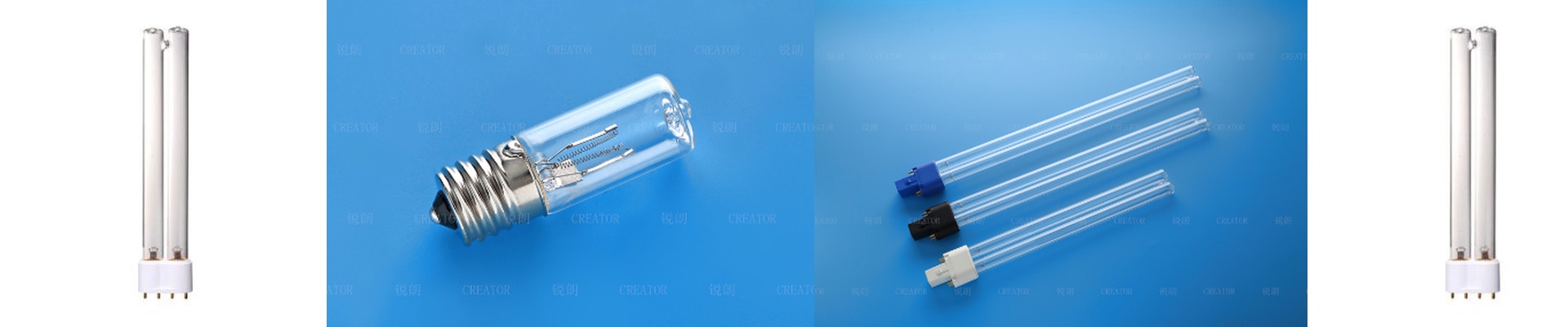

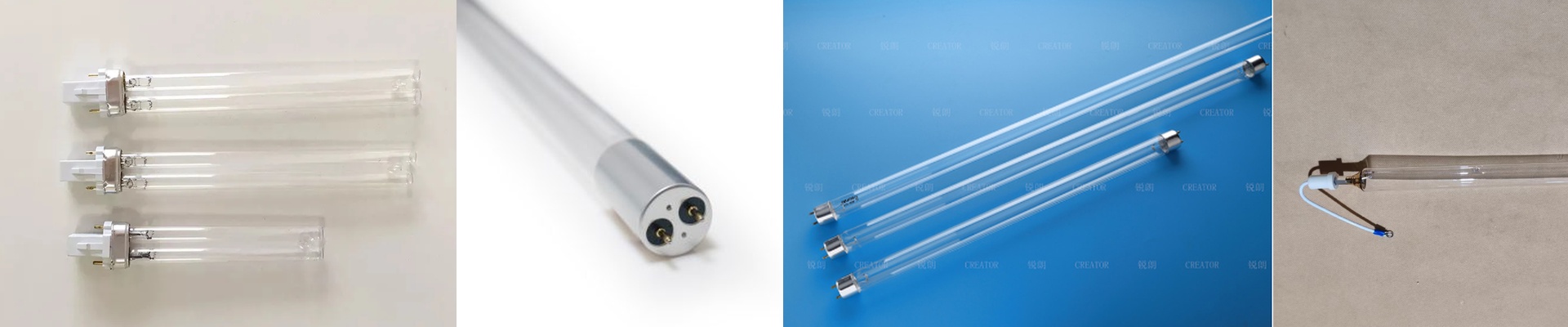


Let’s talk about high-output UV bulbs
When you’re buying germicidal UV bulbs in bulk, it’s easy to think you’re just ordering a bunch of glass tubes. But honestly? You’re actually buying a specific amount of UVC photon flux. If you want the same results you get from those expensive big-brand lamps, the quartz glass and the electrode chemistry have to play nice with your ballast. If they don’t match, you’re just wasting money.
The deal with spectral output
Most of these industrial lamps hit their peak at 253.7 nm. To make that happen, we use high-purity synthetic quartz. Why? Because cheap glass blocks those shortwave photons. If the quartz is low-grade, the lamp will either burn out way too fast or just lose its punch within the first 500 hours. We make sure our bulbs keep a steady output from one end to the other. That way, you don’t end up with “cold spots” in your chamber where germs might survive.
Getting the power right
Here is the thing: mismatching your bulb wattage with your ballast is a great way to kill your lamps. Take a 36W bulb. It needs a very specific starting voltage to get that mercury vapor moving. If you push too much power into it, you’ll see the electrodes start to sputter. That kills the lifespan. But if you don’t give it enough? You won’t hit the UVC dose needed to actually kill anything. It’s a balancing act.
Making it work in the real world
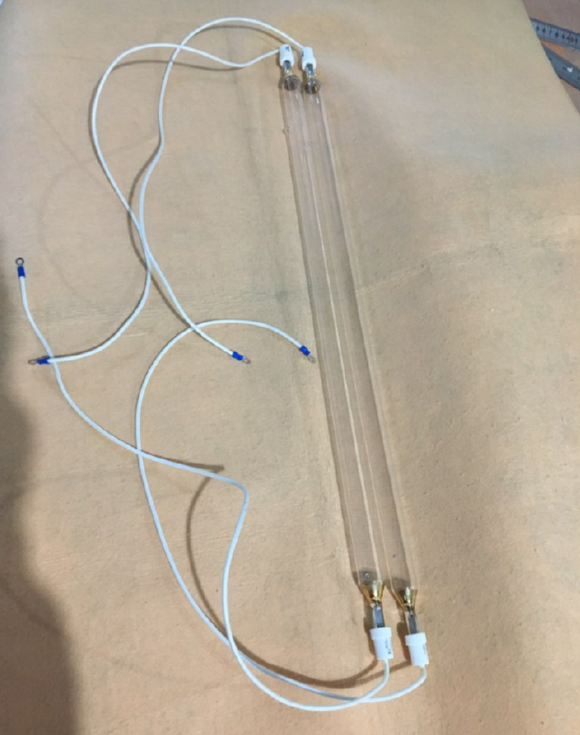
These are designed as drop-in replacements for standard G13 or custom pins, so getting them wired up is a breeze. But a heads-up: high-intensity UVC is brutal on plastics and rubbers. It’ll eat right through them. Stick to aluminum or UV-stabilized polymers for your housing. And if you’re running these in a sealed box, watch out for the heat. When things get too hot, the emission peak shifts and your kill rate drops. You’ll want some active airflow to keep the bulbs cool and happy. We can stand behind our output matching the top-tier brands because we’re obsessive about the mercury pressure and the purity of the quartz.