


Getting UV Curing Right in Your Production Line
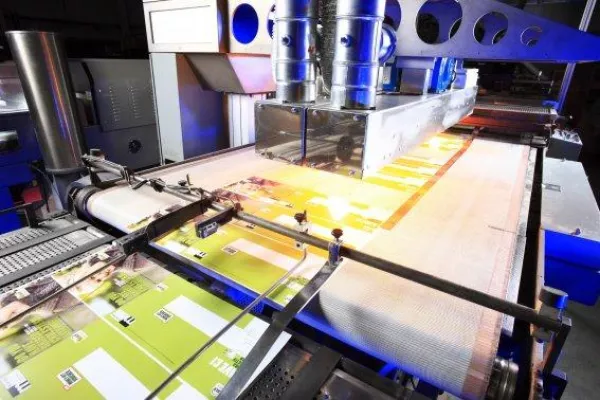
Look, UV curing is more than just swapping out a lightbulb. It’s really about getting the right amount of light to hit your ink or coating at exactly the right moment to make it set. When you’re running a high-speed line, there’s no room for “almost.” If your lamp output dips or the wavelength drifts, you’re left with tacky ink and a pile of scrap parts. That’s a headache nobody wants. The Power Struggle We build our lamps to hit specific targets based on how fast your line is moving. If you’re dealing with thick films, you need high wattage to get that heat density. But here’s the catch: that puts a lot of stress on your power supply. You’ve got to make sure your transformers can actually handle the voltage and amperage the tube demands. If they don’t match, you’ll see flickering or—even worse—uneven curing across the web. And that’s usually when bulbs burn out way too early. Choosing Your Hardware The big question is usually: mercury-vapor or LED? It mostly comes down to your ink. Mercury lamps give you a broad spectrum that digs deep into the coating. LEDs are more about narrow bands for a quick surface cure. To keep things efficient, we use high-purity quartz glass so the UV light actually gets out instead of getting absorbed. We’re also picky about the connectors. A loose connection at the lamp head creates hot spots, and that’s a fast track to a cracked glass tube. The Trade-offs Tossing these lamps into an automated line means you have to think about heat. High-output UV lamps put off a ton of infrared heat. If your cooling fans or water-jackets aren’t pulling their weight, you’ll start warping your materials or ruining the ink before it even has a chance to cure. We don’t just box up parts and ship them. We’ll sit down with you and crunch the numbers on your dosage (Energy = Irradiance x Time) so you can push your conveyor speed without worrying about quality. Just keep in mind: if you crank up the wattage to move the line faster, keep a close eye on the temperature of your substrate. Otherwise, you might see some shrinkage you didn’t ask for.