

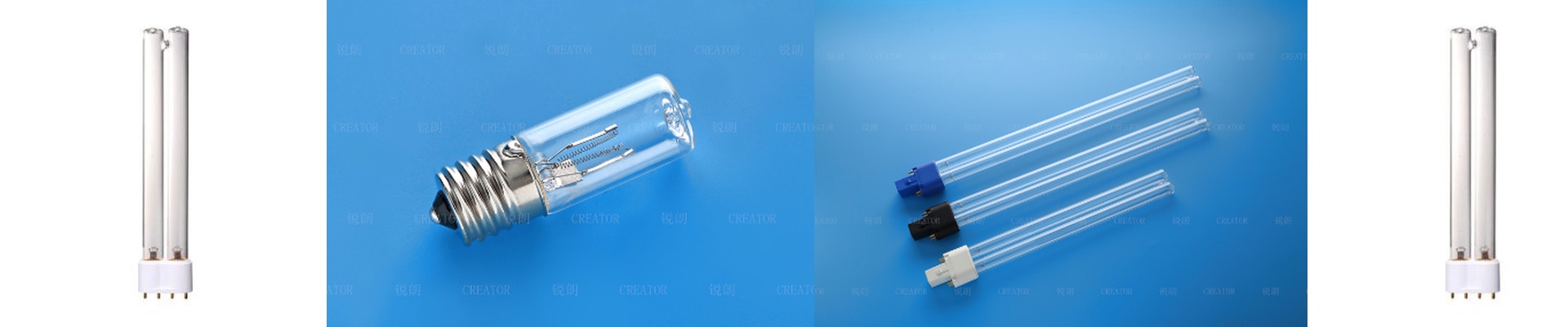
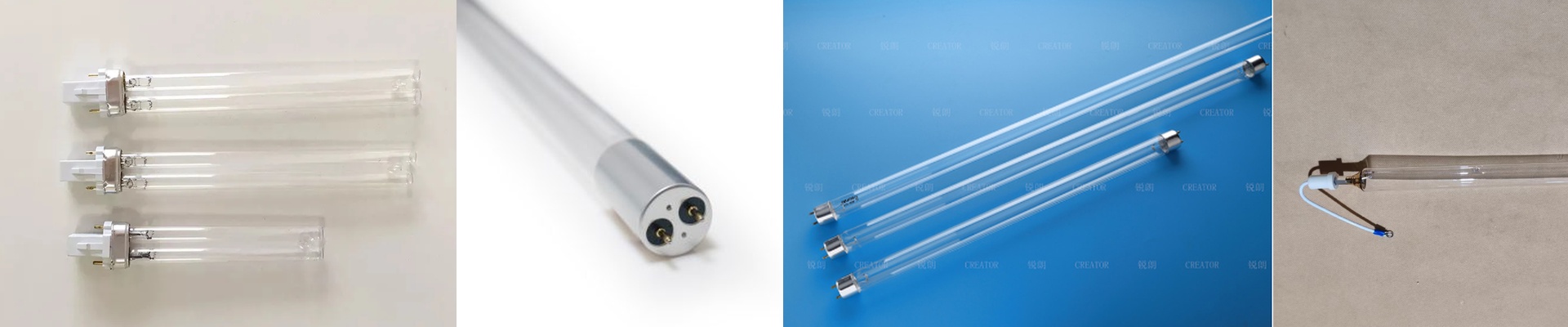


Chasing the 0.5%: Why We Obsess Over UV Lamp Margins
Most lamp manufacturers are fine with “standard.” They hit the baseline specs and call it a day. But we spent our last development cycle chasing a 0.5% increase in spectral energy concentration. Now, I know that sounds like a tiny number. But for a production engineer? That fraction is everything. It’s the difference between a part that cures in 3 seconds and one that drags on for 5. When you’re running thousands of parts, those two seconds are a lifetime.
The nitty-gritty of the physics
High-pressure mercury lamps work by using a plasma arc to throw out UV radiation. To get that energy tighter and more focused, we messed around with the internal gas pressure and the purity of the quartz envelope. We aren’t just cranking up the wattage here. We’re shifting the energy peak so it hits the photoinitiator’s absorption band exactly where it needs to. It’s a game of millimeters. If the arc length or the electrode positioning is off by even a tiny bit, the energy spreads out. You lose that 0.5% concentration, and you’re back to square one.
The hardware trade-offs
We use high-grade fused quartz because we can’t have “solarization”—that annoying thing where the glass clouds over and starts blocking the UV light. But there’s a catch. Because we’ve packed the energy so tightly, these lamps put out a massive amount of heat. You can’t just slide these into a cheap housing and hope for the best. Your cooling fans or water-jackets need to be up to the task. If they aren’t, you’ll fry the lamp ends way sooner than you should.
What this actually means on the shop floor
These lamps are for the high-speed lines where cycle time is the only thing that matters. By narrowing the spectral output, we’ve managed to cut down on the wasted infrared heat. You know the kind—the heat that warps your plastic substrates and ruins a batch. Now, you get more photons hitting the resin and less heat soaking into the part. It’s a simple trade: we put more precision into the lamp’s chemistry so you can put less stress on your conveyor cooling zones.